Protecting youth from social media risks can’t stop with Meta
Nov 06, 2026 | 1:58 pm ET

Description
Safety gaps will remain if Snapchat, TikTok and YouTube, among the platforms teens use most, operate under weaker standards.
For years, Oregon families, educators and youth-serving organizations have wrestled with a difficult question: How do we help young people benefit from technology without allowing it to crowd out sleep, learning, relationships, physical activity and the real-world experiences children need to thrive?
The recent multistate settlement with Meta gives Oregon new tools for answering that question and perhaps a watershed opportunity to work with our leaders, especially the attorney general and governor, to continue to push for online youth protections and rethink how we invest in the programs that help young people grow.
Oregon was among the states that sued Meta, alleging Facebook and Instagram were designed to keep young people engaged without adequately protecting their mental and physical well-being. The settlement requires major changes for young users, including time limits, nighttime access blocks, school-hour notification restrictions, stronger age verification and parental controls, and safeguards around harmful content.
Attorney General Dan Rayfield deserves recognition for Oregon’s role in securing this agreement, which will direct $125 million to Oregon over 10 years. But the work cannot stop with Facebook and Instagram.
Safety gaps will remain if Snapchat, TikTok and YouTube, among the platforms teens use most, operate under weaker standards. Rayfield could protect young people and unlock roughly $54 million more for Oregon by continuing to push for comparable agreements across major platforms.
The settlement also recognizes that addressing harms to young people cannot happen by only addressing screens. It identifies afterschool and summer programs, youth mental-health and crisis services, outdoor activities, digital-wellness education and other youth-focused efforts among potential uses for settlement resources.
For those of us who have spent our careers in expanded learning, we see this as a once-in-a-generation opportunity. We can use these resources not simply to respond to harm, but to build a stronger framework for youth development in Oregon, connecting early learning, school-age care, afterschool and summer programs to better prepare children for academic success and healthy lives. Building that continuum would also strengthen working families, our economy and our communities by ensuring parents have reliable support and young people have opportunities to thrive.
Young people need healthy screen alternatives: safe places to go, trusted adults, peers to connect with and opportunities to discover what excites them. Afterschool and summer programs provide those experiences through sports, arts, STEM, outdoor activities, mentoring and hands-on learning.
These types of programs can improve attendance and academic outcomes while strengthening teamwork, communication, problem-solving and decision-making skills. Learning does not end at the last bell. By investing in opportunities outside the classroom, we help young people gain the confidence, connections and capabilities they need to succeed inside it.
But Oregon’s access gap to these programs is enormous. America After 3PM research found that 5 out of every 6 Oregon children whose parents want them in afterschool cannot access a program. Families in underserved communities face some of the greatest barriers, even though their children stand to benefit greatly.
The settlement identifies youth-supporting programs as an intended use of the funds, but it does not guarantee that Oregon’s share will be directed there. State leaders will have discretion over how the money is spent. With Oregon facing budget pressures, there will be temptation to use dollars elsewhere. They should resist it. A settlement rooted in harms to young people should be used to strengthen systems that support them.
This is a chance to focus on more than one-time grants. The attorney general, governor, Legislature, families, educators, early-learning providers and youth-development organizations can come together to create a durable framework that expands access and builds capacity long after the settlement dollars are spent.
Other states show what is possible. Vermont has established a Universal Afterschool and Summer Special Fund supporting a mixed-delivery system, while Minnesota created a Department of Children, Youth and Families that brings child care, early learning and youth services into a more coordinated structure. This is Oregon’s opportunity to build its own approach, one that treats early learning, afterschool, summer and youth development as connected parts of a continuum.
Rayfield helped secure an important first step. We ask that he keep pushing for comparable protections across Snapchat, TikTok and YouTube, close the gaps that remain, and work with youth-development and early-learning leaders to ensure settlement resources strengthen the real-world places and programs children need to connect, learn, play and grow.
A settlement born from concerns about the digital world can become a catalyst for something larger: a safer online environment and a stronger, more equitable youth-development framework for Oregon’s future.
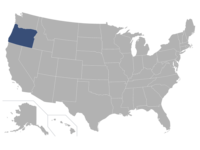
Salem, OR