Tennessee judge extends block on immigration checks in HIV/AIDS program
Nov 05, 2026 | 6:01 am ET
Description
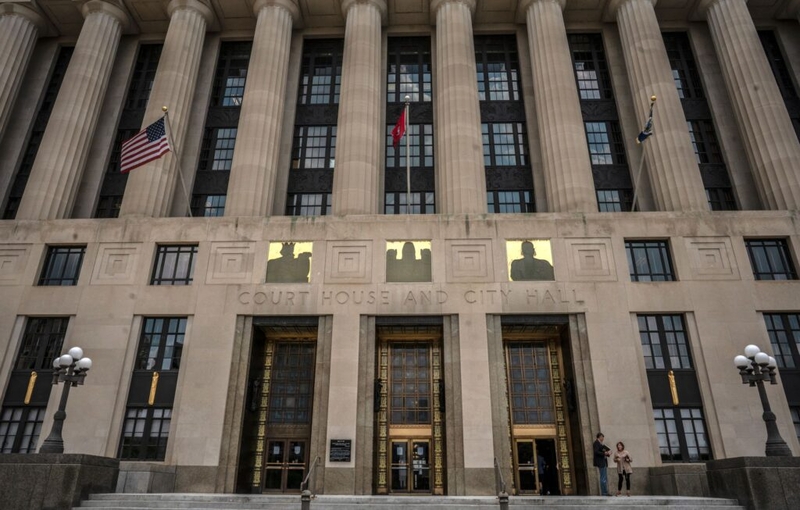
A Nashville judge on Wednesday extended her temporary order preventing Tennessee health officials from imposing immigration and citizenship checks on people receiving services through the federally-funded Ryan White HIV/AIDS program. Pictured: Historic Metro Nashville Courthouse (Photo: John Partipilo/Tennessee Lookout)
A Nashville judge on Wednesday continued to block the Tennessee Department of Health from demanding proof of citizenship or immigration status from HIV-positive individuals who are enrolled in a safety-net healthcare program.
Chancellor I’Ashea Myles’ extension of a temporary restraining order, first issued Oct. 21, prevents the state from imposing immigration status checks in the Ryan White HIV/AIDS program until at least next week, as she weighs arguments for a longer injunction.
The order also applies to a companion program called Housing Opportunities for People with AIDS. The programs, which provide federal funding to every state, have served as the cornerstone of the U.S. government’s response to HIV/AIDS for more than 30 years.
In a four-hour hearing Wednesday, an attorney for Nashville CARES argued state officials are wrongly demanding agencies that serve patients in the programs amend their contracts to reflect Tennessee law requiring anyone seeking public benefits be lawfully present in the United States.
Lawsuit: Tennessee to impose immigration checks in HIV/AIDS safety-net program
The demand conflicts with federal law and the rules set for the federally funded HIV/AIDS programs, and it’s contrary to the public health goal of the programs, argued Brant Harrell, an attorney with the Tennessee Justice Center representing Nashville CARES, one of Tennessee’s largest providers of HIV/AIDS services. Harrell noted that the second Trump administration has imposed no such requirements.
The 2026 state law invoked by the Health Department in October to require the immigration checks re-incorporates language that has been on the books in Tennessee for 14 years, raising questions about why the state is now requiring the contract changes, Harrell noted. (The 2026 law adds provisions that require the reporting of applicants for public benefits who cannot verify their citizenship or lawful status to a state immigration enforcement division and introduces criminal penalties for failure to verify patient status.)
“The department makes no attempt to deny increased transmission of disease,” as a result of the new directive, Harrell said. “The department’s actions endanger public health. That’s not disputed by the department.”
Assistant Attorney General Andrew Grams, representing the Health Department, argued the case didn’t belong in court at all. Grams called it a contract dispute.
Grams said the state was not forcing Nashville CARES nor any participating agency to amend their contracts to require immigration status verification. Instead, he said, the state was “making offers” and “giving the options” to amend their contracts.
The Health Department intends to impose immigration checks on patients in the programs with or without the cooperation of local agencies that directly serve them, Grams noted.
Nashville judge temporarily blocks immigration status checks in HIV/AIDS program
“At the end of the day, if a recipient refuses, the department has to do verification,” he said.
Several Tennessee agencies that serve HIV/AIDS patients have already agreed to update their contracts to reflect the new immigration status checks, Grams said.
Grams said that the program is one of many the Health Department is now seeking to impose the verification requirements on.
“The department has many, many other programs it is working through,” he said.
Should Myles issue an injunction against the HIV/AIDS program verification, Grams asked that Nashville CARES be required to produce a $450,000 bond.
Myles said she would render a decision by next week on whether to issue an injunction preventing the state from going forward with the immigration status checks while the legal challenge continues.
Nashville, TN