Queer Michigan history was made in the midterms this year
Nov 05, 2026 | 4:00 am ET
Description
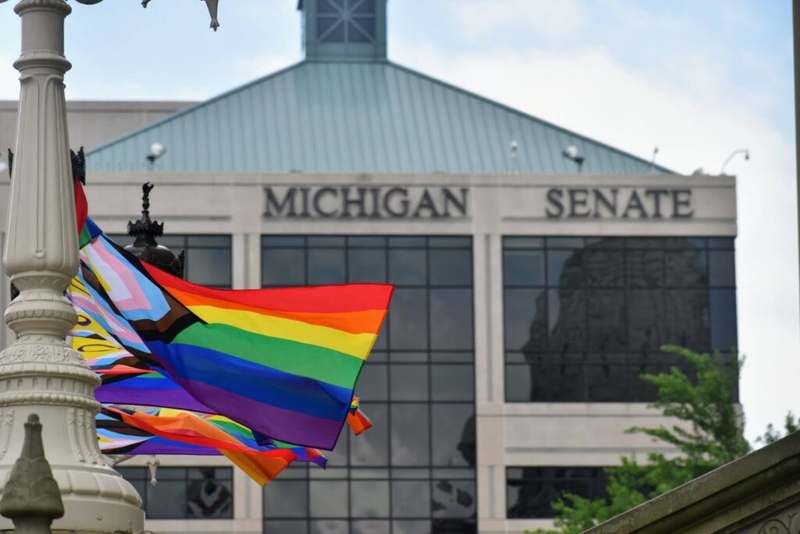
LGBTQ+ flags fly at the Michigan Capitol near the state Senate building during Michigan Pride in Lansing on June 26, 2022. (Photo by Laina G. Stebbins/Michigan Advance)
As Democrats nationwide and across Michigan celebrated historic victories in the 2026 midterm elections, history was also made by a number of LGBTQ+ Michiganders.
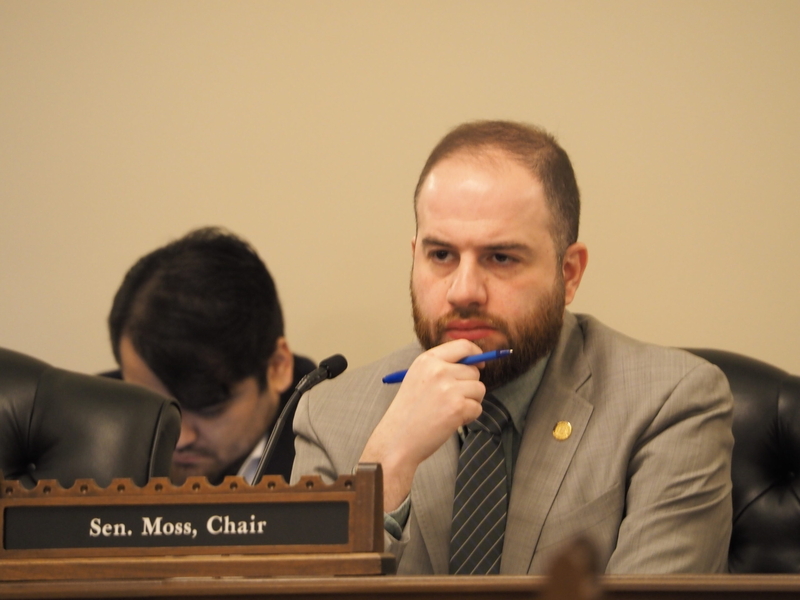
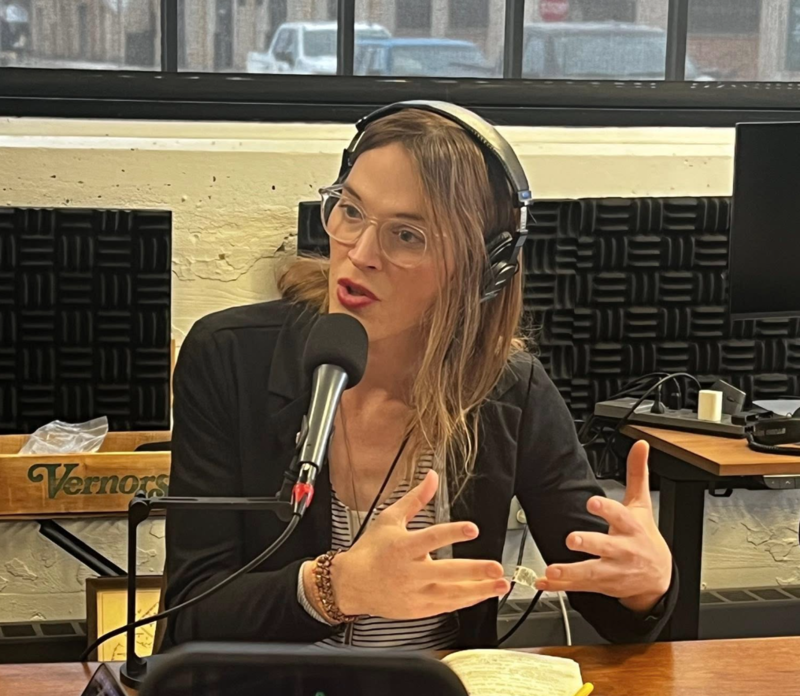
Among them was state Sen. Jeremy Moss (D-Bloomfield), who was elected to the state’s 11th Congressional District, becoming the first openly gay member of Congress from Michigan. Joanna Whaley also made history, becoming Michigan’s first openly transgender state legislator when she was elected to Michigan’s 2nd House District.
“I’ve always said, you can’t be what you can’t see,” Moss said in an interview with Michigan Advance.
“I think it’s important for all of us to be in the rooms where decisions about us are being made, and again, I’m a representative from my neighborhood. I’m a representative from my community. I’m a representative from my district, and I also happen to be gay,” he continued. “I’m shaped by everything that my neighbors are shaped by. But I also have a story to tell about how policy decisions impact LGBTQ people, and that’s the important dynamic here. We’re just as ingrained in Michigan as anybody else is.”
Whaley similarly said that she believes that when people — including transgender folks in Michigan looking to her — see someone like themselves in government, it will inspire them to believe that they, too, can lead.
“We do that by leading with competence and using our skills, not because of who we are, but because we want to serve,” Whaley said. “And if they feel like their government is going after them and attacking them, then that’s their call to be in the room.”
Whaley faced a campaign eligibility complaint during the primary from her Democratic opponent, Frank Liberati, and again faced transphobic attacks in the general election cycle from Republican Ron Kokinda, who she defeated by a 24-point margin on Tuesday.
Whaley and her campaign — which was not focused on her transgender identity, but on affordability and accountability for her Downriver district — were able to overcome those types of attacks twice, which Whaley said makes her believe that the messaging attacking her for her gender identity did not resonate with voters, in her district or elsewhere nationwide.
“I think our community and the state in general has finally said we reject culture war crap. They want politicians who are going to do the work and show up for them,” Whaley said. “This election cycle, from the U.S. Senate down into our race, were some of the most vile, disgusting political attacks I think I’ve ever seen in my lifetime. I am really proud of our community for sifting through the junk and listening for the substance.”
Moss, who was the first openly gay member of the Michigan Senate and one of the first openly gay members of the Legislature, said that Whaley’s election is important because, while he has worked hard to advocate for trans Michiganders and their needs, he is not part of that community. As anti-trans attacks and rhetoric escalate nationwide, “for the very first time in the Michigan legislature, every piece of the community has representation,” he said.
Moss also shared a similar sentiment to Whaley about how much Michiganders actually care about culture war issues like transgender girls participating in sports.
“I really, truly don’t know any family in this district that sits at the dinner table lamenting about a trans athlete. I don’t,” he said. “They do lament over the grocery bills. They do lament about gas prices. They do lament about access to healthcare should they need it. That’s what real people are talking about. So, I’d love to cut through the chaos of Trump’s administration and really deliver for people back home.”
Moss and Whaley are not alone in making history for queer Michiganders in government.
State Rep. Jason Hoskins (D-Southfield), who was elected to fill Moss’s now-vacant seat in the state Senate, becomes the first openly gay Black member of the Michigan Senate, having previously been the first out person of color elected to the Michigan Legislature while serving in the state House.
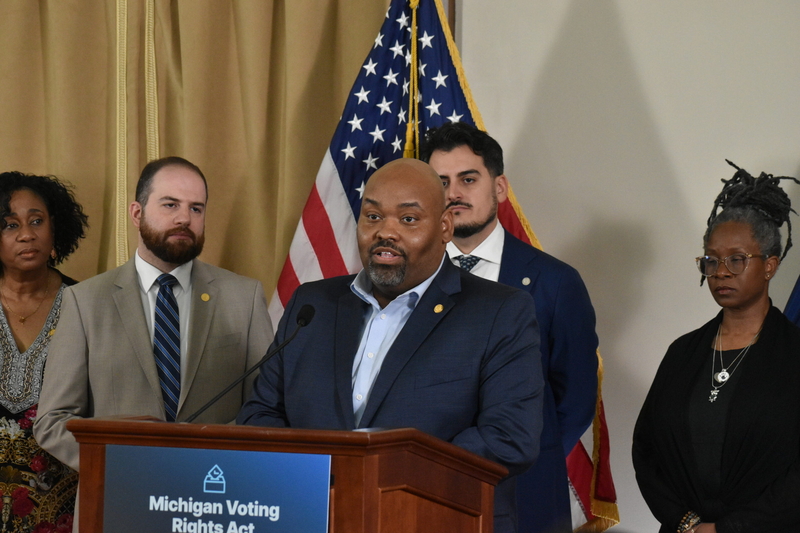
“That’s another segment of our community that needs a voice, that needs representation. So everybody is bringing their unique experiences even from within the community to be able to make sure all of our challenges are being addressed,” Moss said of passing the baton to Hoskins.
Joseph McClusky, who was elected to Michigan’s 86th House District on the west side of the state, is the first openly LGBTQ+ person to represent that district — flipping it blue after being held by Rep. Nancy DeBoer (R-Holland), who as a city council member in Holland voted against anti-discrimination laws protecting LGBTQ+ people.
And other LGBTQ+ state representatives, both new and incumbents, saw success on Tuesday — Pride Source reported that every LGBTQ+ incumbent in the Michigan Legislature won their reelection campaign.
Chris Gilmer-Hill, Mike McFall, Laurie Pohutsky, Noah Arbit, Jason Morgan and Emily Dievendorf will all serve in the Michigan House of Representatives as openly LGBTQ+ members, bringing the total number of openly LGBTQ+ state legislators in Michigan to nine.
Lansing, MI