Nebraska’s 28 ‘opportunity zones’ OK’d by U.S. Treasury aim for private investment, growth
Nov 02, 2026 | 8:14 pm ET
Description
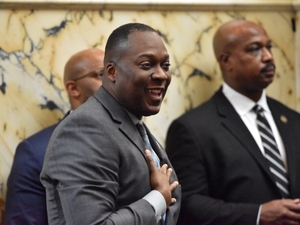
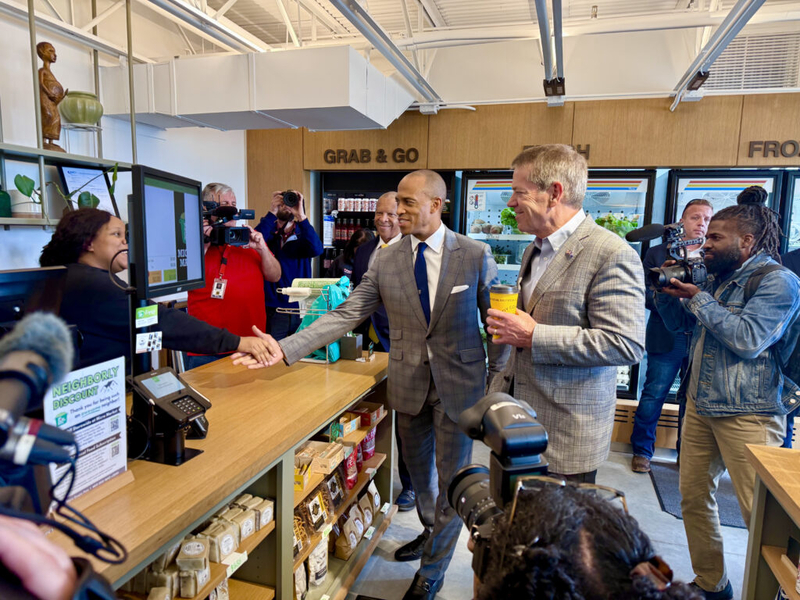
U.S. Housing and Urban Development Secretary Scott Turner, flanked by Gov. Jim Pillen, visits the Micro Market in the Highlander redevelopment site in May. He was in North Omaha in part to promote opportunity zones. (Cindy Gonzalez/Nebraska Examiner)
LINCOLN — Federal officials have approved 28 Nebraska census tracts as “opportunity zones” eligible for a new tax incentive program that starts in January and is intended to boost economic development.
The tracts span the state from Scottsbluff to Omaha and include both rural and urban areas. The batch was submitted earlier this year to the U.S. Treasury as Gov. Jim Pillen’s recommendations for the second version of the federal opportunity zone program, which replaces the first iteration established by Congress in 2017.
Made permanent in the One Big Beautiful Act of 2025, the purpose of Opportunity Zones 2.0 is to promote private investment and drive development in low-income and economically disadvantaged communities.
Pillen announces picks for tax incentive-eligible ‘opportunity zones,’ a slate stretching statewide
Pillen expects the program to help create jobs and bolster construction of affordable workforce housing by providing investors in the designated geographies with incentives such as deferrals or reductions on capital gains taxes.
“These identified tracts are now poised to benefit from investment that will help spur housing, jobs and attract talent,” Pillen said.
Ten of the tracts are in Omaha, five are in Lincoln, the state’s two most populated and urban cities. Others are in Alliance, Ogallala, North Platte, McCook, Lexington, Hastings, Columbus, Norfolk, Fremont, Bellevue, Crete, Scottsbluff and Beatrice. All three congressional districts are represented.
Cities across the state earlier submitted applications for 107 of the 112 tracts eligible for the designation under federal criteria. Nebraska was allowed to nominate a quarter of that number, officials said.
Mayor John Ewing Jr. and Greater Omaha Chamber CEO Heath Mello, in a joint statement Monday, said they expect the Omaha designations and opportunity zone funds to expand housing and business development in neighborhoods with potential for growth.
“These designations provide another tool to help move promising projects forward,” they said.
Lincoln, NE