An electric utility wants to fix Pa.’s competitive energy market; regulators say more study needed
Oct 27, 2026 | 4:43 pm ET
Description
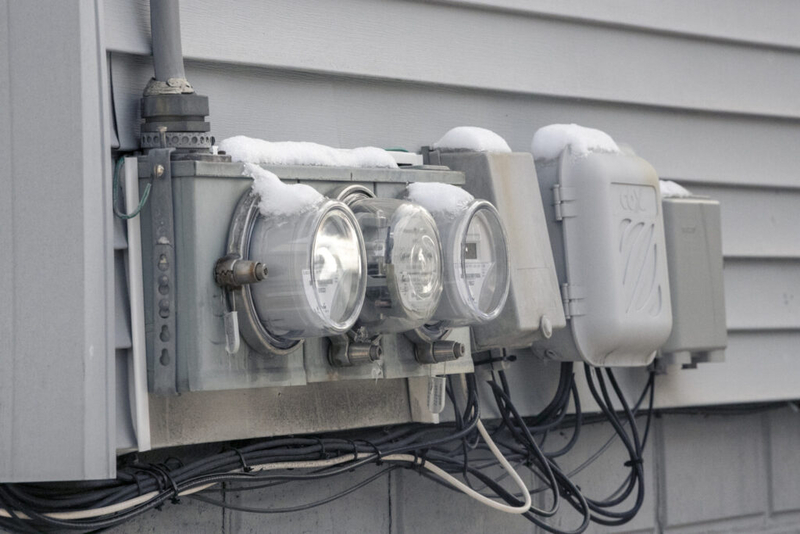
State-by-state figures from monthly utility bill data show, on average, American households paid roughly $110, or 6.4%, more for electricity in 2025, compared to 2024. (Photo by Alexander Castro/Rhode Island Current)
When Pennsylvania’s largest electric utility proposed a change to the commonwealth’s competitive electricity marketplace, saying it could save customers millions of dollars, consumer advocates said they were on board.
Utility regulators, however, said last week they want to study the issue on a statewide basis – a move that the commonwealth’s independent utility watchdog said will delay protections for millions of FirstEnergy Pennsylvania ratepayers.
“What FirstEnergy was trying to do was something that my office and others have been trying to do for a very long time,” said Darryl Lawrence, the state’s consumer advocate.
Since 1996, consumers in Pennsylvania have been able to compare the rates offered by their local electric utility to those offered by generation suppliers on the open market and select the most attractive price or their preference on how the power is produced.
As part of the state’s deregulated utility market, the Electricity Generation Customer Choice and Competition Act was intended to increase competition among electricity generators and spur innovation in the products and services they offered.
Typically, electricity suppliers have offered a choice of plans of varying lengths and prices allowing consumers to lock in a low rate or choose a longer-term contract as a hedge against rising energy costs.
“Customers are signing up for what’s often been very short term offers … and you get a very competitive price, sometimes a very low price for three months of generation service. But at the end of those three months, you need to do something,” Lawrence explained.
Those who don’t take action to switch back to the utility’s default rate or don’t select a new contract are automatically rolled onto variable rate plans at much higher costs.
“Consumers, by and large, have not affirmatively taken action,” Lawrence said. “They’ve missed the notice. They’ve forgotten about it. They misplaced the notice they got in the mail … these things happen.”
Collectively, that has been a very expensive mistake for Pennsylvania ratepayers.
In its February filing with the Pennsylvania Public Utility Commission (PUC), FirstEnergy said it cost its customers alone $82 million more in aggregate last year than if those customers had used the same amount of electricity at the default rate. The proposed default service plan in the filing outlines how the utility would set electricity rates for customers who don’t shop for a supplier. FirstEnergy is the parent company of WestPenn Power, PennPower, Penelec and Met-Ed, which collectively serve more than 2 million customers.
“The commission is doing the right thing to continue to look at this,” Energy Association of Pennsylvania President Andy Tubbs said, adding that the group supports electric choice. “But customers need guardrails so they are not overpaying for their energy service.”
While not every supplier engages in the practice, some market short-term teaser rates that come with a sweetener, like a gift card or other benefits.
“If the customer is not diligent in paying attention to energy prices and when the contract ends inattentiveness can very quickly eat into any savings in a month or two,” he said.
By a 3-2 vote Thursday, the Pennsylvania Public Utility Commission rejected part of FirstEnergy’s proposal that would require customers to be switched back to the default rate when a supply contract ends, rather than allowing suppliers to move customers to a higher rate.
Another rejected part of the proposal would require suppliers to have customers who are paying more than the default rate to affirm their choice on a quarterly basis.
Separately, the proposal would modify how suppliers get paid to reduce the amount of uncollectable debt that the utility and its customers must pay for.
Under the existing arrangement, FirstEnergy buys consumer debt from suppliers and must absorb any that can’t be collected. The commission approved provisions Thursday that would make debts incurred at rates above than the default ineligible.
In his motion to modify the settlement on the proposal, PUC Chair Stephen DeFrank, said he was reluctant to make “such a profound revision” to the retail electricity marketplace for a single electric company. He noted the commission’s regulations permit electricity suppliers to retain their customers when a contract expires provided they give required notice.
Additionally, DeFrank said it’s necessary to do a more comprehensive review of the issue to determine what portion of the excess costs are due to customers choosing more costly plans that prioritize renewable energy over fossil fuels, longer term contracts versus costs attributable to “customer inertia.”
DeFrank’s motion directed the PUC’s Office of Competitive Market Oversight to conduct an expedited review of those concerns by June.
Commissioners Kimberly Barrow and Kathryn Zerfuss cast the dissenting votes.
“We find ourselves squarely in the middle of an affordability crisis and customers are rightfully asking for relief,” Barrow said in a statement she read at the meeting, adding that the rejected provisions would provide immediate help for customers to avoid exorbitant rates.
Citing evidence submitted by the Coalition for Affordable Utility Services and Energy Efficiency in Pennsylvania, Barrow noted that FirstEnergy’s residential electricity shoppers are cut off 10 times more often than non-shopping customers. And the average per-customer write off of about $2,200 for shopping customers is more than double that for non-shopping customers.
Zerfuss added that the $82 million in excess payments accounts for the FirstEnergy customers who did save money by choosing their rates.
“That finding should carry real weight when we decide whether an additional consumer safeguard is warranted,” she said. “I do not know how much longer we need to study a problem that this record already documents, and quite thoroughly.”
State lawmakers, meanwhile, have been divided over how to approach the issue.
House Energy Committee Chair Elizabeth Fiedler (D-Philadelphia) and committee Secretary Heather Boyd (D-Delaware) urged the PUC earlier this month to adopt the FirstEnergy’s proposal, saying it “better reflects consumer behavior and ensures that rate changes occur only through informed, affirmative consent.”
Boyd and Fiedler are co-prime sponsors of House Bill 2131, which would require consumers to be returned to their utility’s default rate. In the Senate, Sen. John Kane (D-Chester) is the prime sponsor of similar legislation. With only two voting days remaining in the legislative session for each chamber, the bills are unlikely to be considered.
The chair of the Senate Consumer Protection and Professional Licensure Committee, Sen. Patrick Stefano (R-Fayette), said the case signals a significant problem and state officials have a responsibility to ensure consumers have choices and that the process is as efficient and cost-effective as possible.
“The Commission’s action acknowledges these affordability concerns while allowing a broader review of the retail electricity market to move forward,” he said in a statement.
Senate Energy and Environmental Resources Committee Chair Gene Yaw (R-Lycoming) said the framework that has governed Pennsylvania’s electricity market for decades reflects deliberate policy decisions of the legislature.
And while the PUC has authority to execute the law “significant changes … should be authorized by the General Assembly rather than created through administrative proceedings,” Yaw said in written comments to the commission.

Harrisburg, PA