Building a stronger, more resilient water system for SC
Oct 26, 2026 | 6:30 am ET
Description
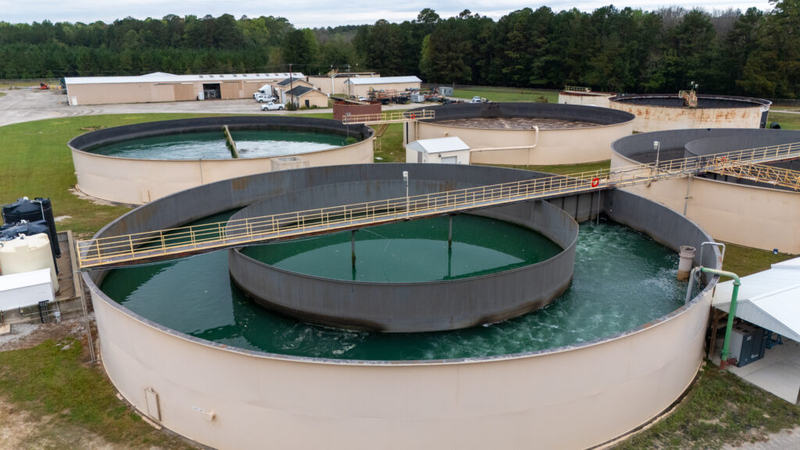
This photo shows South Carolina Water Utilities' wastewater treatment plant in Elgin, S.C. (Photo courtesy of South Carolina Water Utilities)
South Carolina’s communities depend on water systems that are reliable, resilient, and financially sustainable.
Whether it’s a family turning on the tap or a business opening its doors, reliable water service is something many of us rarely have to think about, even though it underpins nearly every aspect of daily life.
As our state continues to grow, maintaining that reliability requires more than simply responding to today’s needs. It requires long-term planning, responsible infrastructure investment, and experienced professionals managing increasingly complex water and wastewater systems.
New homes, businesses and economic development all depend on the capacity of those systems, which means the infrastructure needed to serve growing communities often must be planned and invested in well before the demand arrives.
On July 1, South Carolina Water Utilities formally consolidated the systems previously operated by Blue Granite Water Company under the SCWU name.
The consolidation represents an important milestone in work that began when SCWU took over management of these systems in 2024, bringing our South Carolina operations together as one coordinated utility.
SC utility hopes to fix poor reputation of a long-troubled system with merger
Since 2024, our focus has been straightforward: strengthen reliability, modernize infrastructure, and improve operational performance.
The results are meaningful. Boil water advisories have decreased by more than 80%, and customer satisfaction has steadily improved.
Those successful outcomes reflect the work happening every day across our systems: stronger maintenance programs, reorganized operations, updated oversight, and continued investment in the fundamentals that keep water and wastewater service safe and reliable.
Professional utility management is largely a labor that customers never see.
It means monitoring systems and water quality, maintaining infrastructure before problems arise, planning for future capacity needs and ensuring trained operators and technical experts are available when conditions change.
As South Carolina continues to add new residents, homes and businesses, that responsibility becomes even more important.
Reliable water and wastewater infrastructure is not simply a response to growth; it is part of what makes sustainable growth possible.
Drought conditions seen this year across South Carolina and the Southeast offer a timely reminder of why those fundamentals matter.
Rainfall plays an essential role in replenishing the surface and groundwater supplies our communities depend on, and extended dry periods can place added pressure on water systems.
Conditions like this underscore the importance of planning ahead and ensuring utilities have the infrastructure, resources and professional expertise to adapt to changing conditions.
With the consolidation now complete, more than 70,000 equivalent residential connections across the Midlands and Upstate are part of a single, coordinated utility.
Bringing these systems together allows administrative, regulatory, technical and infrastructure-planning resources to be shared more efficiently while giving local teams access to broader statewide capabilities.
That scale matters beyond administrative efficiency.
It gives local systems access to a larger network of operators, engineers, and technical resources, while enabling better coordination of maintenance practices, infrastructure planning, and investments across the organization.
Local teams remain focused on the communities they serve, but they now have greater resources at their disposal when challenges arise.
We are already seeing the benefits of that approach.
Through targeted operational improvements — including closing high-cost facilities and reorganizing field operations — South Carolina Water Utilities has reduced former Blue Granite annual expenses by more than $500,000.
Those efficiencies help strengthen long-term system reliability and support continued infrastructure investment.
The July consolidation is an important milestone, but our work continues.
It provides a stronger foundation to continue improving the systems our customers rely on every day while preparing for the demands of a growing state, aging infrastructure and fluctuating weather conditions.
Ultimately, customers should be able to trust that when they turn on the tap, the water will be there and the system behind it is being responsibly managed for the long term.
That is the standard we are working every day to deliver for the communities we serve.
Columbia