Online sports betting supporters, opponents clash before Nebraskans get final say Nov. 3
Oct 24, 2026 | 6:45 am ET
Description
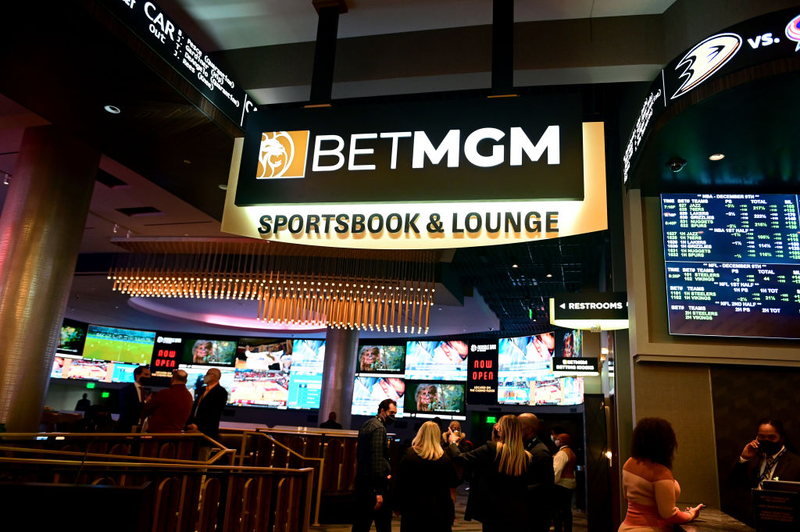
Officials celebrated the launch of Maryland’s legal sports betting market at MGM National Harbor in December 2021 in Oxon Hill, Md. As many states legalize sports betting, officials are increasingly eyeing a certain type of wager known as a prop bet for increased regulation. (Photo by Shannon Finney/Getty Images for MGM National Harbor)
LINCOLN — Nebraskans will have the final say Nov. 3 on whether to legalize and regulate online sports betting as advocates and opponents clash in the final days of the 2026 race.
Initiative Measures 440 and 441 would together amend the Nebraska Constitution and state law, respectively, to legalize and regulate online sports wagers. In 2020, Nebraskans authorized casino gambling at the state’s existing five racetracks. Under current state law, annual gaming revenue is taxed at 20%, and 70% of that amount is directed to property tax relief credits.
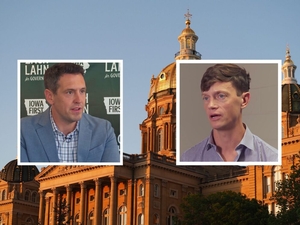
An opposing group, Save Nebraska Sports, has stepped up opposition in the final two-week stretch, including an ad from State Treasurer Joey Spellerberg and State Auditor Mike Foley and an opposing letter from 45 current and former Huskers student-athletes and coaches.
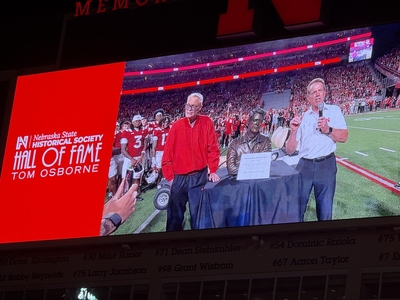
“Husker athletics is about teamwork, discipline, competition and pride in our state,” the Huskers’ letter, led by legendary coach Tom Osborne, states. “We cannot allow it to be used as a vehicle to enrich out-of-state gambling interests at the expense of Nebraska families.”
Regulating the ‘status quo’
Jordan McGrain, a sponsor of the ballot measure campaign, which is known as Tax Relief Nebraska, said the integrity and safety of student-athletes and coaches have a meaningful place in the debate. But he noted that state law and regulations offer protections for players and that sports bets placed in person at casinos are already legal.
Under state law, Nebraskans cannot bet on the Huskers or other collegiate teams when they are playing at home. The State Racing and Gaming Commission can add other restrictions.
“Without legalizing and regulating the marketplace, we just get the status quo, which not only provides none of these protections but sees millions of dollars in revenue going across state lines,” McGrain said.
McGrain said Nebraskans are already participating in unregulated, illegal platforms on their phones through loopholes, such as “prediction markets” like Kalshi or Polymarket, or they’re crossing borders to all but one of Nebraska’s six neighboring states to place bets: Iowa, Missouri, Kansas, Colorado or Wyoming.
He and other supporters, such as state Sen. Jason Prokop of Lincoln, have said Nebraska has the ills but none of the possible revenue that could help with taxes or problem gambling.
“There’s no question to me that Nebraska is just better served by legalizing it, regulating it and instilling these consumer protections and guardrails that have been effective in other states,” McGrain said.
Prokop noted that under Nebraska’s prohibition, Iowa benefits from the “country’s busiest cornfield right across the river” as people cross over, place bets on their cellphones and then return.
Safety of student-athletes, coaches
The Huskers’ letter states that game manipulation, relentless gambling ads and the harassment of athletes over losing bets are dangers in the sports world, and that student-athletes should be able to compete without worrying that every play, mistake or outcome could affect someone’s financial well-being.
“When fans begin questioning whether the outcome of a game is determined by honest competition, the integrity of the entire sport is at risk,” the letter states.
Prokop said he sees two separate issues this year: whether Nebraska has a well-regulated, legal sports betting system instead of the unregulated networks where “anything goes,” and protections for players and consumers.
“I would work with anyone on a bill, whether it’s to look at if we need to increase penalties or anything like that if people are harassing student-athletes,” Prokop said. “That absolutely should not happen.”
Executive branch divided
Nebraska Gov. Jim Pillen, who is running for reelection this fall, repeatedly said in 2024 that he supported the legalization of online sports betting. In summer 2024, he called a special session specifically on property taxes, including possible new revenue sources. At the time, he said he was an “advocate” and would not “stand in the way” if lawmakers sought legalization.
Pillen played for Osborne in the 1970s as a defensive back.
“The governor is going to respect the will of the voters,” Pillen spokesperson Laura Strimple said in an email Friday when asked if Pillen supports Initiative Measures 440 and 441.
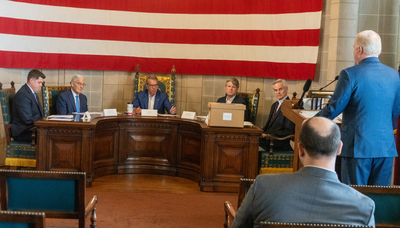
Foley and Spellerberg, in the Spellerberg-paid-for ad, say the sports betting industry is “lying” about property tax relief and that advocates are making the “same false promises” as casino supporters did in 2020.
“And our property taxes aren’t lower,” Foley says in the ad. “… Don’t believe the lies.”
Foley, a former state senator and lieutenant governor, is running for a fourth nonconsecutive term as state auditor. Spellerberg, the former Fremont mayor, is seeking a full term after Pillen appointed him treasurer last year.
Candidates can purchase cheaper ads in competitive ad markets than can ballot question committees, such as Tax Relief Nebraska. Lawmakers declined to close that loophole this year.
FanDuel Inc. and DK Crown Holdings Inc. (the parent company of DraftKings) are the primary donors of the Tax Relief Nebraska campaign, each contributing more than $7 million. Through Sept. 29, the campaign raised $14.65 million and spent $9.22 million.
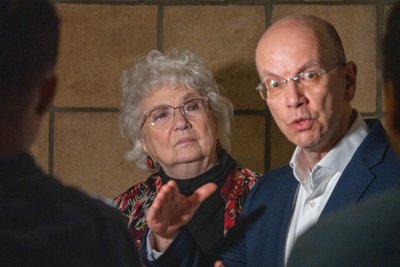
Save Nebraska Sports has taken a more front-facing role than another longtime anti-gambling group: Gambling with the Good Life. The leader, Pat Loontjer, is still speaking out, and last week, she joined with Open Door Mission in Omaha. The nonprofit has helped people facing homelessness and poverty for more than 70 years.
“For those struggling with addiction and homelessness, lottery tickets, gambling machines and betting apps put false hope within easy reach,” said Steven Frazee of Open Door Mission.
Providing property tax relief
The Tax Relief Nebraska campaign commissioned a study estimating $166 million in possible revenue over the next 10 years. Adding in expected casino gambling revenue, McGrain said gaming taxes could be about $500 million, on a conservative estimate, over the next decade.
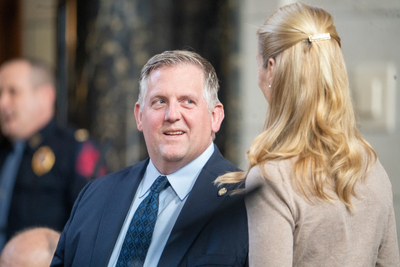
The campaign has at least seven different video ads, according to the Google Ads Transparency Center. In one, multiple Nebraskans say they support the measures to take property taxes into their own hands. In another, a woman states: “It’s time for the relief we deserve.”
Prokop, a member of the Legislature’s Appropriations Committee, said lawmakers’ hands could be more tied next year without the revenue to provide continued tax relief as they work to close a budget deficit that could be as high as $847 million if left unchecked by mid-2029.
If policymakers can find revenue from untaxed activities that Nebraskans are already participating in, Prokop said: “I think we need to seriously consider it.”
“Our revenue options right now are minimal,” Prokop said.
McGrain said he respectfully disagrees that the new revenue isn’t relevant. He agreed with Prokop that, given Nebraska’s budget situation and schools raising property tax rates or property valuations skyrocketing, online sports betting is a valid option for revenue.
“It’s really one of the only options we have, especially in this economic environment,” McGrain said.
In 2025, multiple state senators proposed regulations to accompany online sports betting, had voters later decided to legalize the wagers. State Sen. Stan Clouse of Kearney, for instance, proposed diverting 90% of the new tax revenue toward property tax relief, instead of 70%.
“It’s not the gaming industry’s job to deliver property tax relief. It’s the politicians’ job,” he added. “This is just one part of the revenue that Nebraskans approved in 2020 and are on track to approve in 2026.”
The general election is Nov. 3. If the measures pass, Initiative Measure 441 gives the Racing and Gaming Commission a June 1 deadline to adopt any necessary regulatory changes.
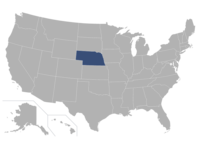
Lincoln, NE