Largest gas pipeline network in Northwest could grow as Oklahoma-based owners pursue expansion
Oct 22, 2026 | 9:00 am ET
Description
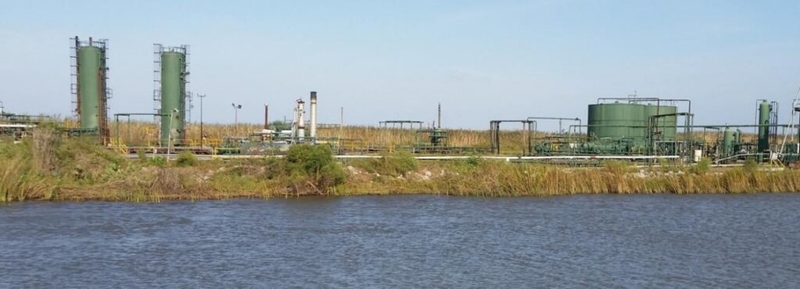
Natural gas pipeline and infrastructure in the Northwest. One of the largest pipeline systems in the state could soon carry even more gas to the region under a proposal by Oklahoma-based pipeline company Wilson. (Photo courtesy of the U.S. Bureau of Land Management)
The Oklahoma-based company that owns one of the largest gas pipeline networks in the Northwest is beginning to pursue permits to expand that network, and to pump more gas to the region to meet rising electricity demand.
Pipeline company Williams, owner of the 4,000-mile long Northwest Pipeline system that brings fracked gas from Rocky Mountain states to Idaho, Washington and Oregon, last month submitted to the Federal Energy Regulatory Commission paperwork to build a new pipeline called the Silver Spur between two existing gas transmission lines in Idaho and Nevada. The news was first reported by the nonprofit gas industry watchdog group Oil and Gas Watch.
If approved, the 88-mile pipeline would carry up to 275 million additional standard cubic feet of natural gas per day to the Northwest, while states like Oregon and Washington simultaneously try to drive down gas consumption through policies and pollution caps meant to slow the growing threat of climate change. Environmental advocates say Williams’ claims that the pipeline is meant to meet overall demand for electricity growing in the region masks that the demand is being driven almost entirely by data centers.
The Hood River-based nonprofit environmental organization is raising alarms about the proposed expansion with state officials and earlier this year led 20 organizations in calling on Washington and Oregon leaders to block fossil fuel expansion in the region.
Two analyses from Columbia Riverkeeper and the Seattle-based think tank Sightline Institute show that a growing number of Northwest utility companies are spending on new gas-powered energy infrastructure or buying gas-powered energy from other states to power new demand coming almost exclusively from data centers.
Spokespersons for Williams did not respond to the Capital Chronicle’s questions Thursday about who the primary buyers of the gas would be. A recent analysis by ECOnorthwest found data centers today are responsible for nearly one-quarter of all power consumption in Oregon.
As part of the permitting process, FERC and other federal agencies will review the Silver Spur project, and eventually hold public meetings and comment periods. The company has said in interviews it plans to complete the pipeline in 2030.
The pipeline expansion would be significantly more than the 150 million cubic feet per day that Canadian pipeline company TC Energy was approved to add to its Gas Transmission Northwest Express pipeline in 2023, and that got major pushback from the region’s Democratic leaders, including U.S. Sens. Ron Wyden and Jeff Merkley of Oregon and then-Gov. Jay Inslee of Washington.
Federal regulators approve natural gas pipeline expansion through Oregon, Washington
A spokesperson for Wyden said he was not able to comment Wednesday while the senator was in Bend following the school shooting at Silver Rail Elementary, and a spokesperson for Merkley did not respond to a request for comment Thursday afternoon.
Silver Spur is one part of Williams’ proposed larger Rockies Columbia Connector system, which would eventually include a nearly 160-mile pipeline expansion along the Washington side of the Columbia River, and another 137-mile pipeline called Valley Trail, in eastern Washington’s Grant County and the state’s data center hub in Quincy, according to reporting from The Seattle Times.
Williams has not yet filed for permits for the Rockies Columbia Connector or the Valley Trail pipelines, but altogether the expansion could bring nearly 1 billion cubic feet more natural gas to the region per day. The company has said it hopes to have the Rockies Columbia Connector complete by late 2030.
In a March earnings call, company executives described the projects as part of one of the largest gas pipeline expansions in the Northwest in more than two decades.
Salem, OR