All you need to know about Louisiana’s property tax constitutional amendments
Oct 21, 2026 | 5:00 am ET
Description
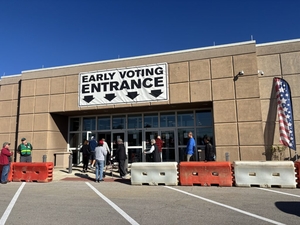
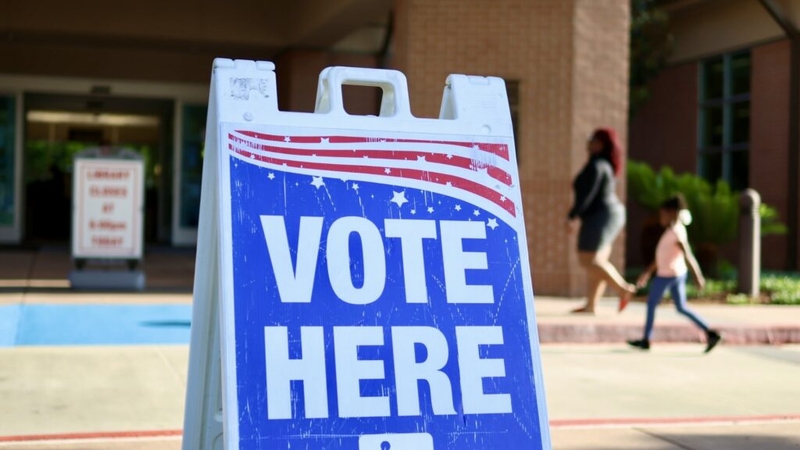
Five of the 10 constitutional amendments on Louisiana's Nov. 3 election ballot would change property tax laws. (Photo by Wes Muller/Louisiana Illuminator)
Louisiana voters will consider 10 constitutional amendments on the Nov. 3 ballot, half of which would change the amount of property tax collected that fund police, parks and public schools.
If approved, the proposals could provide enhanced tax breaks for certain military veterans’ families, senior citizens, people with disabilities and those who fix up blighted properties. One would also give new flexibility to local taxing authorities.
Elected officials have limited options when they want to make property tax policy changes because all such laws are embedded into the Louisiana Constitution and require a statewide vote to change them. For example, if legislators or the governor want to create a new property tax exemption or enhance an existing one, even for only one parish, they typically have to get a constitutional amendment approved.
Jan Moller who leads Invest in Louisiana, a progressive think tank, said the constitution’s grip on property tax laws means voters are frequently asked to make decisions that impact very few citizens.
For example, Amendment 1 allows surviving spouses of deceased disabled veterans to transfer a property tax exemption to a new house. It is expected to affect a small group of people, as only 229 people claimed the exemption last year, according to a legislative fiscal analysis.
“This isn’t going to break the bank for any local government because it only applies to maybe a dozen people at most,” Moller said last week at an online forum the Public Affairs Research Council of Louisiana hosted.
There are arguments for making it difficult to change property tax policy, said Steven Procopio, PAR’s president, in an interview this week. If property taxes laws weren’t in the constitution and didn’t require a statewide vote, legislators might be tempted to lower them to unsustainable levels, he said.
Property tax cuts are popular, but state lawmakers don’t have to deal with the consequences because they affect local government and school system revenue, Procopio added.
The number of property tax amendments on this year’s ballot could be the result of bottled-up demand, said Sen. Franklin Foil, R-Baton Rouge, chairman of the Senate Revenue and Fiscal Affairs Committee that vetted all the proposals.
There has been a push over the past few years to expand Louisiana’s popular homestead exemption, which waives homeowners from paying taxes on the first $75,000 value of their primary residence. As those efforts stalled, legislators came back with proposals offering more narrow tax relief, said Foil, who sponsored Amendment 1.
Opposition to the property tax amendments has created strange political bedfellows. Conservative and liberal policy groups have come out against many of the proposals, though for different reasons.
The Power Coalition for Equality and Justice, an organization that promotes progressive policies on matters such as criminal justice and voting rights, is against all five property tax amendments.
“Expanding property tax breaks means less money for schools and local services,” the group stated on its website about a few of the amendments.
Meanwhile, the Pelican Institute for Public Policy, a conservative group that generally pushes for tax reductions, is opposed to four of the property tax amendments. The organization has come out against amendments 1, 6, 9 and 10 because they single out special groups of people — like spouses of deceased veterans, senior citizens and blighted property developers — for tax breaks. It creates an unequal system overall, where people are paying different tax rates for similar properties, said Daniel Erspamer, the institute’s chief executive officer.
“If you have a certain amount of money to raise to meet a budget, and you give one group or several sets of groups special treatment, you lower rates or lower assessment for one group of people … You have to raise it on someone else,” Erspamer said during the PAR forum last week.
The following summaries cover the property tax-related proposals on the statewide Nov. 3 ballot:
Amendment 1
The surviving spouse of a military veteran who had a disability related to their service could continue claiming a property tax exemption even if they move out of the home they purchased with their late partner.
- Enabling legislation: Act 39
- Effective date: Jan. 1, 2027
- Supporters: Louisiana Department of Veterans Affairs, Leaders for a Better Louisiana
- Opponents: Power Coalition, Pelican Institute
Amendment 2
Local governments could remove existing deadlines, tied to property reassessment cycles, to raise property tax rates to the maximum amount allowed. It’s aimed at allowing local governments to keep property tax rates lower for a longer period of time. Under the current system, local officials have said they feel pressure to sometimes raise rates prematurely because if they don’t, they lose the ability to do so in the future. Opponents argue the proposal would create more uncertainty for taxpayers about when their property tax bills would be raised and by how much.
Voters rejected a similar amendment in November 2022. Supporters say the ballot language is clearer now and expect a better outcome.
- Enabling legislation: Act 273
- Effective date: Jan. 1, 2027
- Supporters: Louisiana Association of Business and Industry, Pelican Institute, Leaders for a Better Louisiana, Louisiana Chemical Association, Police Jury Association of Louisiana, Louisiana Municipal Association
- Opponents: Power Coalition
Amendment 6
Local governments could increase the homestead exemption for many people 65 and older if their parish or municipality’s voters approved a tax break for seniors through a separate, local ballot initiative. Only households with income of $100,000 or less — or a higher threshold when that income cap is adjusted for inflation — would qualify. The surviving spouse of a deceased person who received this more generous tax break could also claim it as long as they are only five years younger than their partner who died.
This proposal has the ability to affect tens of thousands of Louisiana households, as 184,000 people claimed the underlying exemption for seniors in 2025, according to a legislative fiscal analysis.
- Enabling legislation: Act 274
- Effective date: Jan. 1, 2028
- Supporters: No prominent organizations have come forward to endorse this amendment.
- Opponents: Leaders for a Better Louisiana, Power Coalition, Pelican Institute
Amendment 9
Under current law, people 65 or older, disabled veterans, other residents who are totally and permanently disabled, and the spouses of military members killed or missing in action qualify for a special property tax freeze. This proposal would raise the existing income threshold for people to qualify for those enhanced tax breaks from $100,000 to $150,000 per household. The threshold would be adjusted to match inflation rates in future years. Around 422,000 properties were subject to the existing special exemption in 2024, according to a legislative fiscal analysis.
Enabling legislation: Act 220 of 2025
- Enabling legislation: Act 220 of 2025
- Effective date: Jan. 1, 2027
- Supporters: No prominent organizations have come forward to endorse this amendment.
- Opponents: Leaders for a Better Louisiana, Power Coalition, Pelican Institute
Amendment 10
Local governments could adopt property tax breaks for blighted properties once they are rehabilitated. For derelict residential property, up to 75% of its renovated assessed value could qualify for exemption for 20 years. For vacant, unimproved land next to a residence or commercial building, up to 25% of its assessed value could qualify for 10 years.
- Enabling legislation: Act 272
- Effective date: Jan. 1, 2027
- Supporters: Louisiana Association of Business and Industry, Leaders for a Better Louisiana
- Opponents: Power Coalition, Pelican Institute
Baton Rouge, LA