Lawsuit: Tennessee to impose immigration checks in HIV/AIDS safety-net program
Oct 20, 2026 | 6:01 am ET

Description
A Nurse performs a rapid test for AIDS, syphilis and hepatitis. Nashville CARES has filed suit against the Department of Health over new requirements to verify immigration status of patients with HIV/AIDS enrolled in the federal Ryan White program (Photo: Getty Images)
In August, Tennessee organizations that aid low-income individuals living with HIV received a surprise memo from the state’s health department:
“Effective immediately,” the memo said, “no patients without documentation of citizenship or legal residency may be newly enrolled” in many of the services provided through the federal Ryan White HIV/AIDS program or a companion program known as HOPWA, or Housing Opportunities for People with AIDS.
The federal government does not require immigration status checks as a condition of receiving services through HOPWA or Ryan White, a program that has served as the cornerstone of the U.S. government’s response to HIV/AIDS for more than 30 years. Even as the Trump administration has sought to exclude immigrants from an array of public benefits, federal law explicitly exempts immigration status checks in federal programs for the treatment of communicable disease.
Attorneys for Nashville CARES, one of the state’s largest providers of Ryan White services, immediately filed an administrative challenge to the new rules laid out in the memo, and the Department of Health rescinded it days later.
But, in its place, the Department of Health has imposed an even broader immigration verification mandate on agencies serving low-income Tennesseans living with HIV/AIDS.
In a memo dated Oct. 1, the department is now requiring all agencies that serve patients via the Ryan White program to amend their existing contracts to require “eligibility verification for each potential beneficiary/recipient.” The memo cites Tennessee law that requires verifying anyone seeking federal, state or local benefits is lawfully present in the United States; an amendment to the law this year imposes criminal penalties on healthcare and other public benefit providers who fail to report immigrants without legal status to the Tennessee Department of Safety.
On Monday, Nashville CARES filed suit in Davidson County Chancery Court seeking to declare the contract changes invalid. Ryan White covers the cost of medical care, drug assistance, home health care, case management, financial assistance for health insurance premiums and hospice care for low-income individuals living with HIV.
Nashville CARES argues the state rules violate federal law and is seeking an immediate injunction barring the new contract language from taking effect while its legal challenge is ongoing.
The new contract language “threatens access to medically necessary HIV-related services for otherwise eligible low-income individuals, frustrates (Nashville CARES) organizational mission, disrupts continuity of HIV treatment and support services, and places burdensome verification” requirements that have never before been required and are not supported by federal or state law, the lawsuit said.
“Individuals who lose access to those services face increased risk of worsening HIV disease, transmission of HIV, progression to AIDS and other serious health consequences,” it said.
The contract amendment could directly impact hundreds of Nashville CARES’ patients and clients. Among then are at least 129 patients with HIV who receive financial help to cover health insurance costs, 150-160 individuals whose mental health and medication management care is paid for by Nashville CARES and 80-100 individuals who receive healthcare at Nashville CARES clinics, according to figures cited in the lawsuit. Additionally, patients who are U.S. citizens but unable to provide documentation could also be impacted, the lawsuit said.
Lawyers for the nonprofit have sought further clarity from the department about the new contract requirements, but received none, the legal petition said. In legal filings, the lawyers noted that the new contract language may or may not extend to core Ryan White services, including medical treatment and medications; the Tennessee law cited by the department references federal exclusions for these services. But, the lawyers noted, even if that is the case, a critical component of Ryan White funding is financial assistance that enables individuals to purchase private insurance that gives them to access healthcare, a benefit the amended contract language puts at risk for those who cannot provide proof of citizenship or legal immigration status.
A spokesperson for the Department of Health did not respond to a request for comment about the lawsuit on Monday. The department, earlier this month, provided the Lookout copies of the memos sent to Ryan White providers, but has not responded to a subsequent request for details about impacted recipients of the contract changes.
Monday’s lawsuit is the second this year to challenge efforts by the health department to impose immigration status verification requirements in public safety-net health programs for low-income patients.
In July, the department agreed to temporarily halt a new policy requiring the reporting of sick and disabled children to a state immigration enforcement office while a legal challenge brought by three doctors to the policy remains ongoing. About 400 children with chronic and, in some instances terminal illnesses, have remained enrolled in the state’s Children’s Special Services program as a result.
The complaint
.
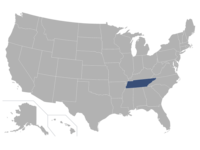
Nashville, TN