Minneapolis will not require human drivers in robotaxis after council fails to override veto
Oct 15, 2026 | 1:49 pm ET
Description
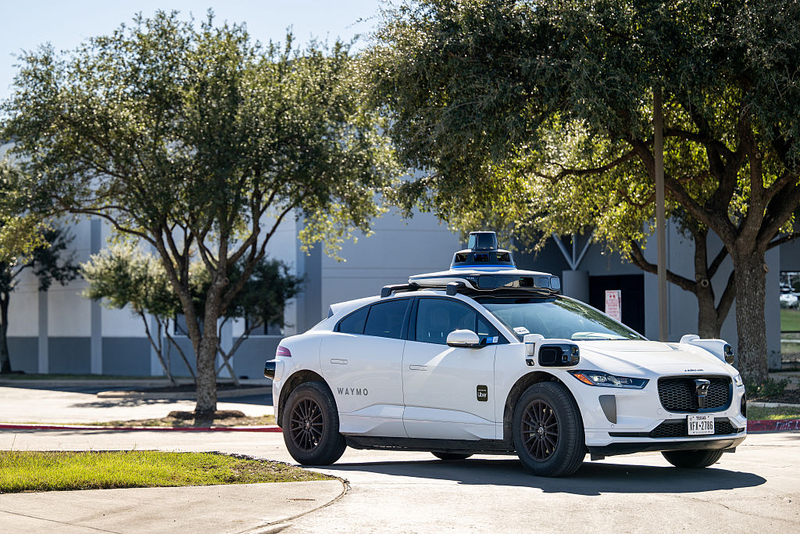
A Waymo vehicle exits a charging lot on January 15, 2026 in Austin, Texas. (Photo by Brandon Bell/Getty Images)
The Minneapolis City Council failed to override a mayoral veto of an ordinance that would have required Waymo and other robotaxi companies to put human “safety monitors” behind the wheel and pay them minimum rates.
The proposal aimed to protect the jobs of the state’s roughly 10,000 rideshare drivers, who have become well organized since successfully campaigning for statewide minimum pay rates and job protections.
Council Member Robin Wonsley, the lead author of the ordinance, vowed to continue the fight immediately after the vote Thursday, giving formal notice that she would introduce another proposal to regulate autonomous vehicles for commercial purposes.
“To our residents, I want you to know we see you, and that there’s members of this body that’s continuously fighting for you,” Wonsley said. “We cannot simply allow Big Tech to come into our communities and steal thousands of jobs from immigrant workers.”
In vetoing the ordinance, Minneapolis Mayor Jacob Frey said in a statement, “Requiring a driver in a driverless car doesn’t make sense.”
“Minneapolis is open for business, open to innovative technology, and open to a variety of transportation options,” he said.
The council voted 7-5 to override his veto, falling short of the nine votes necessary.
Waymo began testing its technology in Minnesota last year, and the company says it currently provides more than 500,000 fully autonomous rides every week in 15 major U.S. cities, none of which require human monitors. It’s unclear when commercial service may begin in Minnesota.
The appearance of Waymo also prompted the St. Paul City Council to take action. The council voted Wednesday to direct city staff to study autonomous vehicles and suggest regulations that protect workers and the general public.
The fight over autonomous vehicles is expected to return to the state Capitol in January after lawmakers failed to agree on legislation regulating the nascent industry in the closely divided Legislature.
While robotaxi companies promise safer and more comfortable rides than Uber and Lyft, the white Jaguar Waymos covered in cameras are rolling emblems of artificial intelligence’s power to automate jobs — a power that is stoking fear throughout the labor force, from attorneys to truck drivers.
Robotaxi opponents warn that allowing drivers to be displaced by Waymos allows Silicon Valley to vacuum up income that would be reinvested in the state.
Wonsley pointed to a recent study by the union-backed think tank North Star Policy Action that estimates rideshare drivers in Minnesota earn about $209 million a year and contribute $561 million in total economic activity across the state through spending on housing, health care, car repairs and other necessities.
That income represent a minuscule portion — just 0.04% — of Minnesota’s $476 billion in total personal income.
“This is income that helps keep our city afloat,” Wonsley said. “Without that, that puts our city in very, very precarious conditions.”
The fight by workers against automation is a familiar one, though rarely successful.
The Luddites, English textile workers whose name became shorthand for rejecting technological progress, were unable to stop the mechanized loom.
Railroad firemen held onto their jobs through union contracts for decades after diesel engines left them no coal to shovel — though they were eventually forced to retire or retrain.
Elevator operators and typesetters have all but disappeared. Taxi dispatchers are largely obsolete, too, after Uber and Lyft automated those jobs.

Saint Paul, MN