Michigan set to open new $383 million psychiatric hospital in Northville
Oct 07, 2026 | 4:17 pm ET
Description
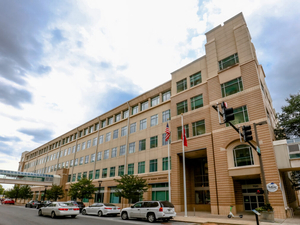
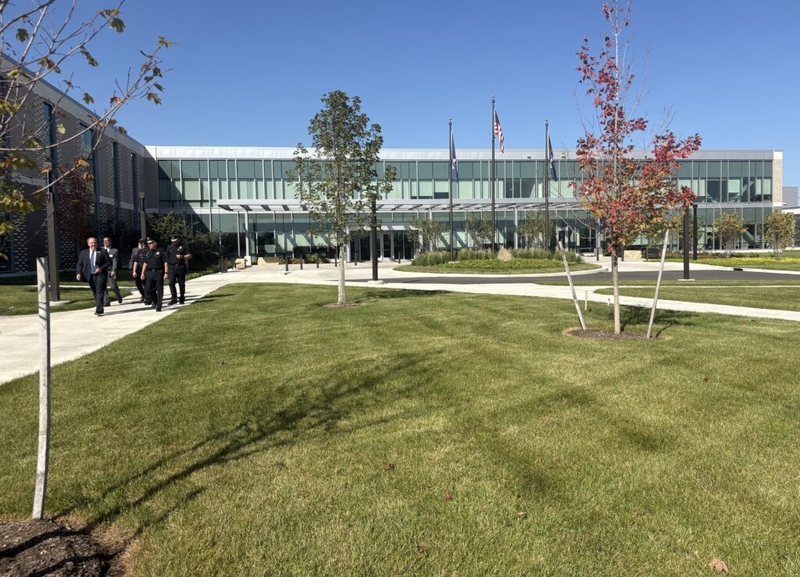
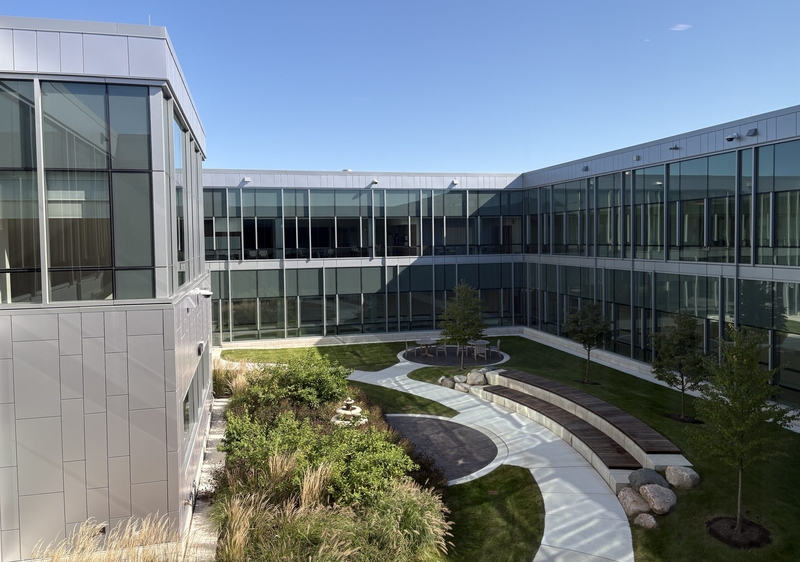
Grounds of the Southeast Michigan Psychiatric Hospital in Northville on Oct. 7, 2026. (Photo by Bella Waters/Michigan Advance)
Dozens of state officials, healthcare providers and community members celebrated the completion of the new 406,000-square-foot, 264-bed Southeast Michigan Psychiatric Hospital in Northville Wednesday.
The state-run hospital, which has been three years in the making, cost $383 million and was built on the former site of the Hawthorn Center, a children’s psychiatric hospital. Patients at the Walter P. Reuther Hospital in Westland, which currently houses adult patients, will be transferred to the new facility starting later this month.
The new hospital, which has 192 adult beds and 72 youth beds, increases the state’s capacity to serve children and adults by 54 beds, bringing the total capacity to 730 beds statewide.
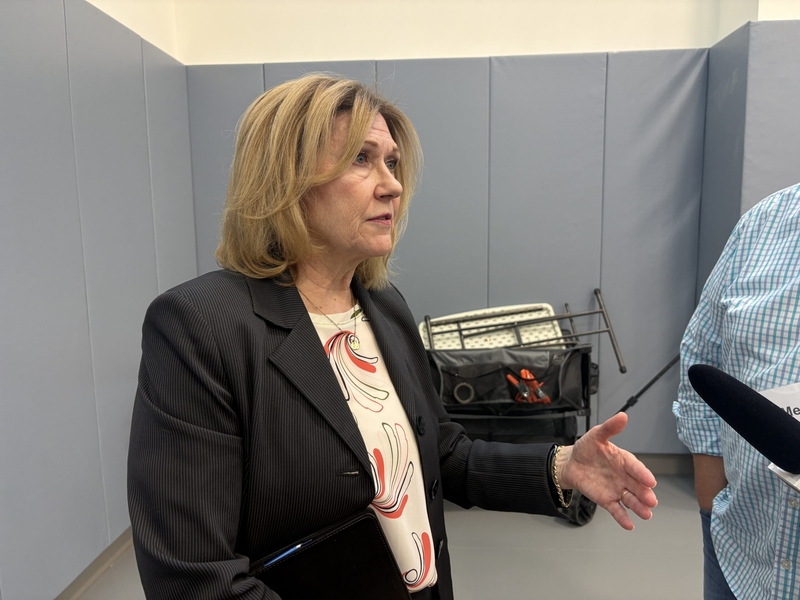
“It has been thrilling to watch this dream become reality,” Mary Clare Solky, the hospital’s director, said. “Providing compassionate, high-quality psychiatric care for adults, children and adolescents is not just our mission. It is our responsibility.”
The hospital will be the state’s only psychiatric hospital providing inpatient services to children, and according to acting Michigan Department of Health and Human Services Director Amy Epkey, it was completed on schedule and under budget.
The department’s fiscal year 2027 budget allocates $33.8 million to begin operating the new hospital. To help lower costs, the facility is heated and cooled by 352 geothermal wells drilled 550 feet underground. Andrew Miller, a project executive at Christman Construction, said using this renewable energy will save at least $10,000 a month.
A connection to nature
Solky said on average, adolescents stay in these long-term care facilities for three to six months. She said adults can stay for up to a year or longer. The two age groups share common spaces, like courtyards, but remain separated.
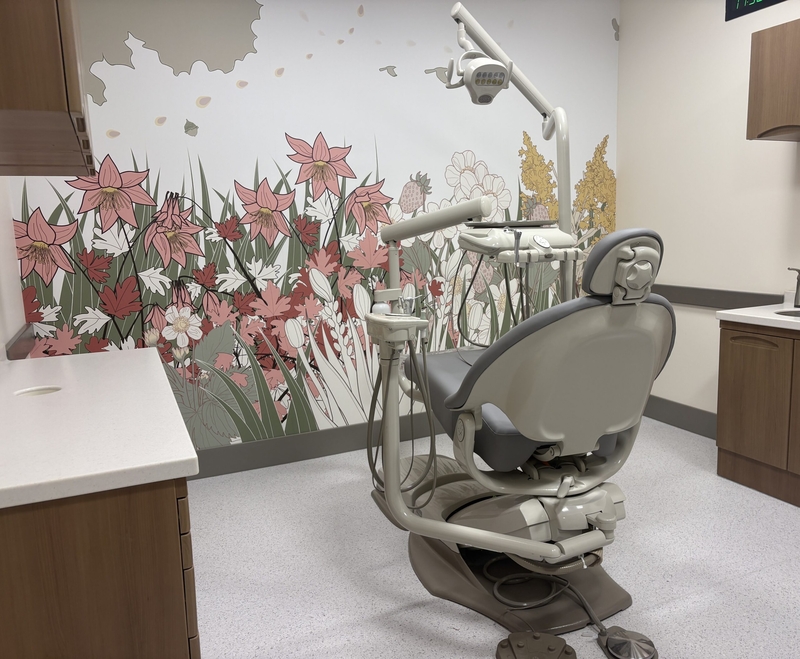
The hospital has 12 courtyards, a nondenominational chapel, a music room, art room, movement room, hair salon, group therapy rooms, dining rooms, a gymnasium and patient clinic. The patient clinic includes exam and minor procedure rooms, dental suites and optometry and dietitian offices.
Adolescent patients will attend a school within the hospital during the day. The school includes classrooms, a media center, a computer center and workrooms. A library and adult education classrooms serve older patients.
Adult patients who are getting ready to leave the hospital can stay in a studio apartment equipped with a kitchen and washer and dryer.
Safety is a priority, with special door handles, hinges, ceilings and drinking fountains designed to reduce the risk of harm.
Throughout the hospital, designers wanted to create a connection between indoor and outdoor spaces. David Giroux, senior vice president of Integrated Design Solutions, said the outdoor landscaping, windows and lights were all chosen to bring the outdoors in.
“There’s a lot of evidence to suggest having patients be outdoors or connected with the outdoors aids in their healing,” Giroux said.
This emphasis on the outdoors is evident on the building’s interior walls, which feature blue, orange, pink and purple indigenous flower designs.
Patients also have the opportunity to interact with the outdoors through the hospital’s horticulture program. They can water, propagate and harvest plants, which include fruits and vegetables. They can also use the vegetables to make meals, such as fried green tomatoes.
Mental health care challenges
While connection to the outdoors is a focus of the Southeast Michigan Psychiatric Hospital, an employee at the Reuther facility claimed in 2023 that children weren’t allowed outside for months.
An audit published in 2025 by the Office of the Auditor General found that Michigan’s Office of Recipient Rights was not sufficiently protecting the rights of recipients of mental health services.
“Almost 30% of sampled complaints alleging abuse, neglect, serious injury or death were not retrieved or actions initiated until between 2 and 12 days after the complainant-provided date,” stated the audit.
State psychiatric hospitals were also found to lack consistent video surveillance and audio recording.
While Gov. Gretchen Whitmer has increased funding for mental health services, as of 2025, Michigan ranked 47 in the nation for access to inpatient psychiatric beds. Federal cuts to Medicaid continue to threaten inpatient psychiatric services.
“We know that in our communities, mental health beds have been reduced,” Solky said. “So this is a step forward for Michigan.”
She said there is a need for more adult facilities like this one across the state. During the COVID-19 pandemic, she said, mental health providers became more aware of their patients’ needs.
“Looking at how people maybe spoke up more about mental illness, maybe it kind of came out of the closet a little bit, and I believe it allowed our officials to help us prioritize that,” she said.
The Walter P. Reuther Psychiatric Hospital opened in 1979, and the Hawthorn Center opened in 1965. Solky did not know what the state plans to do with the Reuther building once all the patients are transferred.
Lansing, MI