Largest Kent County homeless shelter won’t operate this winter, leaving dozens in the cold
Oct 06, 2026 | 6:00 am ET
Description
Photo courtesy of Spotlight Delaware
Why Should Delaware Care?
The City of Dover has spent the last year debating a measure to ban panhandling and defunding from the city’s largest homeless shelter without providing immediate alternative solutions to the homelessness and drug use issues in the area. But experts say Dover’s latest move to shutter overnight operations for the People’s Church homeless shelter, which city leaders have criticized for enabling homelessness, drug use and neighborhood blight, will leave more individuals out on the streets this winter.
Dover’s largest homeless resource center will likely not provide overnight shelter this winter, as the center grapples with losing funding, following a period of escalating tensions with city and state officials.
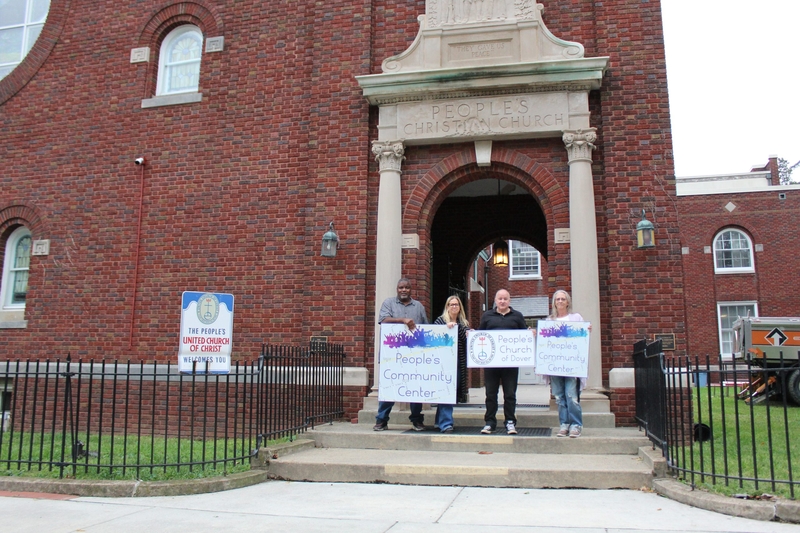
Located on South Bradford Street in downtown Dover, the People’s Church has for years operated a 50-bed overnight men’s shelter during the winter, a nightly drop-in meal service and youth after-school programs.
But cuts to the church’s government funding and questions about whether the property is properly zoned for an overnight shelter have all but guaranteed the People’s Church will not provide winter overnight beds this year, shelter leaders said, leaving a large gap in services for the Dover homeless population.
Heightened tensions between the shelter and the Dover City Council began in March, when the city received a number of letters from residents on South Bradford Street complaining that the shelter’s operations encouraged homeless people to use drugs, sleep and leave trash across their properties, impacting their quality of life.
Since then, the city and state governments have taken a series of steps to withdraw funding from the People’s Church and require it to get a zoning change approval in order to continue with winter overnight shelter operations.
While Dover Mayor Robin Christiansen said the city’s zoning and funding decisions are simply the “maintenance of standards across the board,” shelter leaders said they are being targeted by the city, while their services are unfairly being conflated with unrelated drug use and loitering issues.
“We have been under vicious attack by people who blame us for the decades-long problems of social chaos downtown,” said the Rev. Derrick Hodge, the church’s lead pastor. “The attacks are especially sharp now because the city is ramping up its gentrification efforts.”
Hodge said he does not plan to complete the process of the building use code change in order to continue operating as a winter shelter, because he is worried it would leave the church without “protections we have for being a house of worship.”
A city spokesperson said Dover encourages the church to go through the zoning code approval process and does not view the change as impacting the church’s worship protections.
Given the church’s decision not to proceed with the zoning change, their overnight shelter will likely not operate this winter, leaving the Dover area, already sorely lacking in homelessness resources, without a clear alternative for where the 50 men typically sheltered at the church will be able to overnight this winter.
“You are basically turning more people away and into the elements this winter,” said Steve Metraux, a University of Delaware professor who studies homelessness. “It may well kill people.”
And when asked who is working to find an alternative place for homeless people to sleep overnight, city and state leaders pointed fingers at one another, saying that it is the other’s responsibility to find a solution.
Death by a thousand cuts
The conflict has been marked by a series of financial setbacks for the shelter, as the city has cited health code violations and complaints from neighbors as reasons for withdrawing funds.
These setbacks, Hodge said, have amounted to the shelter losing 90% of its funding sources and operating a meal service with a shoestring budget for other resources, like case management and providing clothing.
Leaders on both sides described the relationship between the city and the shelter as positive in the first decade of the shelter’s operations. A spokesperson for the city said the city directed nearly $300,000 in COVID-era federal relief funds to shelter programs.
This past winter, however, the relationship turned sour.
The city received 17 complaints from property owners in the neighborhood, alleging that people using the shelter’s daily meal program were trespassing, using drugs and defecating on their properties.
In response to the complaints, the City Council denied the shelter $47,000 in funding for a workforce development program and sent the shelter a letter stating it must get conditional approval from the Planning Commission to keep operating as a winter shelter.
The church is currently zoned General Residential (RG-1), which includes churches as an allowable use, but the shelter needs to apply for an Institutional and Office Zone building use approval. Other overnight shelters in Dover, including the Dover Interfaith Mission for Housing and Whatcoat Social Services, also have Institutional and Office zoning, a city spokesperson said.
At the same time, some state funding sources also have reduced their support for the shelter.
The church did not receive any Grant-In-Aid funding for its homelessness services this year, while it was allocated between $60,000 and $85,000 for such services in past years.
State Sen. Trey Paradee (D-Dover), chair of the Joint Finance Committee — which makes Grant-In-Aid funding decisions — and whose district includes the church, said he did not fund the shelter this year because it has “wreaked havoc” on the neighborhood.
The church was also slated to receive $350,000 from Delaware’s Prescription Opioid Settlement Distribution Commission last fall, but that money has since been held up in negotiations. The commission’s Executive Director, Brad Owens, said the funds were held because of the zoning and other concerns the city raised.
Most recently, a Dover City Council committee discussed walking back $40,000 the shelter was awarded last fall for renovation projects through a federal grant.
A city employee responsible for administering the grant said at a Sept. 29 meeting the church had not followed monthly reporting requirements and other stipulations of the contract, so the city no longer plans to allocate them the funds.
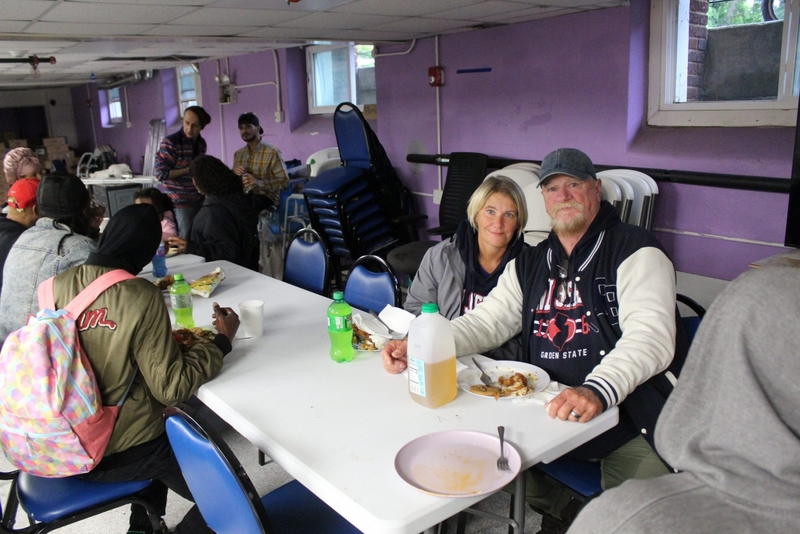
Hodge described the series of events over the past eight months as “threats and harassment” by the government, but he said the church is committed to collecting private donations and operating the services it can — its meal program, individual case management and children’s after-school programming.
“We’ve been here for 120 years,” Hodge said. “We’re not going anywhere.”
Winter shelter options
The most recent homelessness numbers in Kent County indicated there are more people without housing than there are shelter beds available. Losing the People’s Church’s 50 beds raises more questions about where homeless people in Dover will seek shelter this winter, experts said.
“If you take away shelter beds, you’re just going to have more people who are going to be sleeping outside,” said Metraux, the UD professor.
The Housing Alliance of Delaware collects data for the number of homeless people in the state on a single night in January, known as the Point-In-Time count.
Amelia Ramsaran, who runs the Housing Alliance’s data collection, said numbers from the 2026 PIT count revealed 277 unhoused individuals and 266 shelter beds in Kent County. This means the number of people without housing already outnumbers the available shelter beds in Kent County, a gap which will be exacerbated by the People’s Church closure, Ramsaran said.
In addition, the People’s Church is one of the only overnight shelters in the Dover area that accepts men – the other option, Dover Interfaith Mission for Housing, has 20 beds for men, but those slots are likely to already be full, given data from previous years, Ramsaran said.
Representatives from Dover Interfaith Mission for Housing did not respond to Spotlight Delaware’s request for comment.
Some city leaders have also cited the planned Kent County Hope Center, modeled off a similar service center in New Castle County, as location to direct the people displaced from the People’s Church. It is not clear, however, whether the new facility will be open in time to provide overnight housing this winter.
A spokesperson for Delaware State Housing Authority, which is coordinating the Hope Center project, said the agency has purchased a building — a former Delaware State University dorm on North DuPont Highway — to house the new center, but there is not currently an estimated opening date, or details of what services will be provided.
“While we are making good progress, we won’t have a hard date for opening until we get a full review of the building and its needs,” the spokesperson said.
Given the apparent lack of emergency shelter options, some experts also said it is likely people may temporarily seek respite from cold temperatures by admitting themselves to drug detox facilities or hospitals, even if they would not normally seek out those services.
“When the weather gets terrible, people will say, ‘You know what, I can’t do this anymore. I might as well go in and get some treatment,’” said Kathy Greeley, a Sussex County-based drug peer outreach coordinator.
Representatives from Dover Behavioral Health, a drug treatment facility in Dover, and Bayhealth Hospital, did not respond to requests for comment.
Passing the buck
While it’s not clear where people will seek emergency winter shelter in lieu of the People’s Church, city and state leaders have skirted the responsibility of finding additional overnight options.
Teresa Campbell Harris, director of the shelter, said she’s been trying to “prepare” people who come into the shelter for dinner that they will not be able to stay overnight this winter.
“It’s hard to tell somebody when we’re done with dinner and it’s zero degrees out and we’ve housed these men for years,” Campbell Harris said. “Now, all of a sudden, ‘Here’s your blanket. I hope it’s long enough. Just go outside.’”
Campbell Harris said she hopes city officials come up with another place for people to go.
When asked whether he has ideas, Christiansen, Dover’s mayor, said the city “does not have the wherewithal or the funds” to address that, so the state should come up with a solution.
But Sen. Paradee, the Dover legislator, said the city and the shelter have “had months to resolve where the individuals can go.” He added that coming up with a solution is a local issue, not a state one.
For Metraux, the UD professor, the gradual dismantling of a shelter by the government, and lack of answers as to how to fill in the gaps, is a pattern he has seen before in Delaware.
He described the shutdown of the Rick VanStory Center, an emergency shelter in Wilmington, by that city’s government after the State Division of Substance Abuse and Mental Health (DSAM) withdrew the majority of its funding.
“It’s nothing unusual,” he said. “A city wants to get a shelter out of the downtown area, and they do what they can to do that.”
Maggie Reynolds is a Report for America corps member and Spotlight Delaware reporter who covers rural communities in Delaware. Your donation to match our Report for America grant helps keep her writing stories like this one; please consider making a tax-deductible gift of any amount today by visiting https://spotlightdelaware.org/support/.

Dover