What I learned about West Virginia’s future after driving 10,800 miles
Oct 05, 2026 | 5:55 am ET
Description
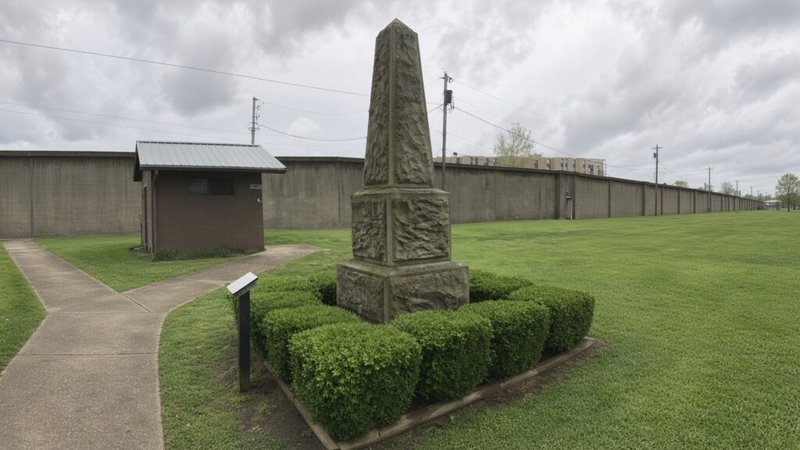
The Chief Cornstalk memorial marker at Tu-Endie-Wei State Park in Point Pleasant, West Virginia. (Photo courtesy of Brian Neal Bollinger)
As a child, my grandmother and mother told me stories about Point Pleasant, West Virginia. One told of a legendary curse attributed to Shawnee Chief Cornstalk. Years later, his grave at Tu-Endie-Wei State Park called me back there. As I stood before his grave, more than the story of Cornstalk came through to me. And more than ever, I could hear my grandmother and mom in my mind. They had told me of his grave. And they had hinted that his story was more than the one they’d told me.
That hint led me to visit 25 reputedly haunted places across America, including sites featured by Reader’s Digest. Over nine days in August, I drove across the contiguous U.S. from one end to the other. At each place, I realized it was often a story that brought people to town. More importantly, through conversations with people living there, I learned much more than I could from any brochure.
West Virginians love a good story. For years, Ruth Ann Musick gathered ghost stories from around the state. She included them in her book, “The Telltale Lilac Bush and Other West Virginia Ghost Tales.” Every fall, Point Pleasant holds the Mothman Festival. I’ve gone there a few times, but more than anything, it was the story of Chief Cornstalk and his grave that stayed with me.
In that moment, I realized his story meant a great deal to my grandmother, mom and me. Legend says he left a curse on his town. My grandmother and I heard his story, and we discussed it for years.
Often at workshops in this state, students and families ask me about our colleges. Some worry about cost. Others want to stay close to their hometown, their church or their family. Some want to give back to their hometown. In my conversations with students, I’ve realized that enrollment numbers tell us very little. What kind of world will my students find when they graduate? Is success possible here? Would they feel they were compromising by staying here?
In Man and Welch, I met people whose local economies were changing. Their stories are rich and could easily be the subject of a book. But more importantly, I think their stories ought to be more than what they are remembered for. Every day, people in these communities make decisions about work, school and family. They’re building their lives here. They would welcome visitors to their towns. And they want a say in decisions about their future.
I grew up in Parkersburg. Over the years, I’ve traveled to every county in West Virginia. And in every county, someone could point to something about their county that would be worth knowing. It would be valuable to preserve stories of people and places here. And more importantly, these stories should be told in all their richness, not just the parts that might interest outsiders.
To think about the future of any community, we should think beyond visitors who come here on the weekend. Instead, we could ask whether residents could live full, meaningful lives in their community throughout the year. That could start with asking residents what they think a visitor or a young person might want to know about their community. It could start with businesses in their community serving residents year-round, not just visitors. It could also start with helping students consider careers and education in their own community.
Each of these communities (Point Pleasant, Man and Welch) would have a different answer, depending on their history, their time and their circumstances. More important than any particular message about West Virginia is listening to each community on its own.
In their stories, they could tell us what they value about their community, what’s changed for them, and what they’d like to see. And once we heard their stories, we could make better decisions about our own communities. Through stories from my grandmother and my mother, I felt a desire to do more than they could.
After my 10,800-mile journey, I thought of the young people I meet in my workshops in West Virginia. I’d like them someday to see more of the world than they do now. And if they do decide to return, I hope they’ll have the opportunity to pursue the life they want.
Charleston, WV