Montana officials praise repeal of power plant emission regulations, watchdog groups pan decision
Sep 30, 2026 | 4:05 pm ET
Description
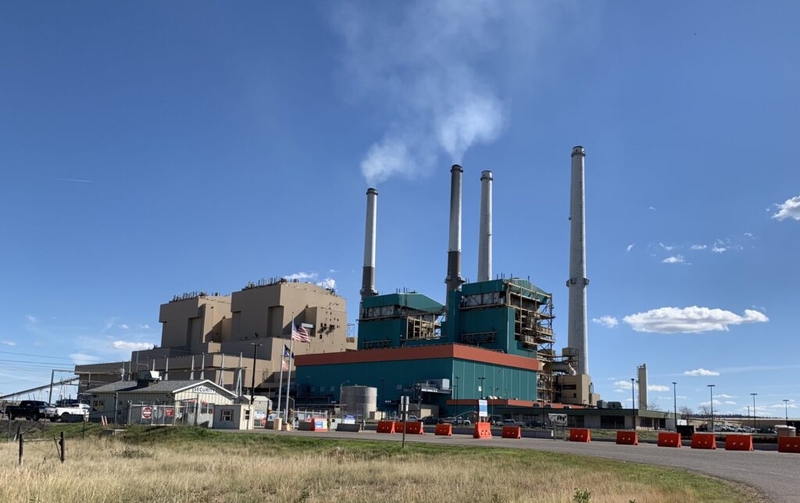
Colstrip Power Plant (Photo by Darrell Ehrlick of the Daily Montanan).
Montana officials cheered a move by the Trump administration to roll back greenhouse gas emissions requirements for U.S. power plants, while environmental groups decried the change, which has already drawn one legal challenge.
Last week, the Environmental Protection Agency proposed the new rules, arguing they will save the country $310 billion.
“For over 15 years, the Obama and Biden administrations implemented a war on coal to destroy reliable and affordable energy. The Trump Administration has come in to protect American energy and to make sure you can afford to keep the lights on,” said EPA Administrator Lee Zeldin in a statement announcing the repeal. “Americans will see a decrease in electricity prices, but this is just the beginning. We are working to go even further so that American energy can be fully unleashed.”
The final rule repealing carbon pollution standards for fossil fuel-fired power plants was published in the Federal Register on Sept. 14, kicking off a 45-day public comment period before taking effect on Nov. 16.
The rollback includes repealing most of the federal greenhouse gas requirements for fossil fuel-fired power plants adopted during the Biden Administration in 2024. The EPA also issued a companion proposal that will go further and rescind all greenhouse gas emission requirements from fossil fuel-fired electric generating plants.
Documents supporting the new rule say that many of the technologies the requirements are based on — such as carbon capture and sequestration — have “not been adequately demonstrated, are unachievable, (and) threaten to impose massive costs on the power sector.”
Players in the energy sector praised the Trump administration for the move.
That includes NorthWestern Energy, Montana’s monopoly utility which is majority owner in Colstrip — the state’s largest coal-fired power plant — and operates the natural gas-fired Laurel Generating Station.
In 2024, NorthWestern argued before the U.S. Supreme Court to halt Biden’s emission rules, claiming it would cost $350 million to upgrade Colstrip or lead to the plant shutting down, calling the rules “economically irrational.”
A spokesperson for the utility said that it “supports regulations that protect reliable, affordable energy, service reliability, and the environment.”
But advocacy groups and energy watchdogs say the move is a step backwards for the environment and public health.
Anne Hedges, Executive Director of the Montana Environmental Information Center, told the Daily Montanan that Treasure State residents know the impacts of pollution-induced climate change, which include reduced snowpacks and increased wildfires.
“These impacts are costly to people’s health, agricultural operations, wildlife, fisheries, and the state’s economy,” Hedges said in an email. “It’s irresponsible to roll back extremely modest regulations that provide a reasonable path to reduce the pollution that impacts our climate. Such an action goes against the will of the majority of Montanans and defies common sense.”
A group of public health and environmental groups, including the American Lung Association and Environmental Defense Fund, have filed a federal lawsuit seeking a review of the EPA’s actions.
In Montana, state and federal elected officials, all Republicans, have echoed the Trump administration’s praise for the rollback.
“The EPA has put an end to the weaponization of the federal government against coal-generated power which threatened coal mines across the nation,” Gov. Greg Gianforte said in a statement. Under the leadership of Trump and Zeldin, “America’s coal-fired and natural gas power plants can continue to support thousands of jobs and provide affordable, reliable baseload power while ensuring public health and the environment are protected.”
Outgoing U.S. Sen. Steve Daines also said he was “thrilled” at the EPA’s announcement, adding that he believes it will save millions of dollars and provide much-needed jobs for Americans.
The EPA is holding a virtual public hearing on the proposed rollback on Oct. 1 from, 11 a.m., to 6 p.m. Individuals wishing to speak can sign up online. Public comments will be accepted until Nov. 2
Helena, MT