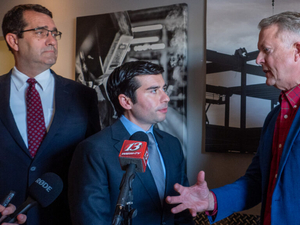
The governor awarded more than $104 million to improve rural healthcare in Mississippi. Where is the money going?
Sep 25, 2026 | 9:00 am ET
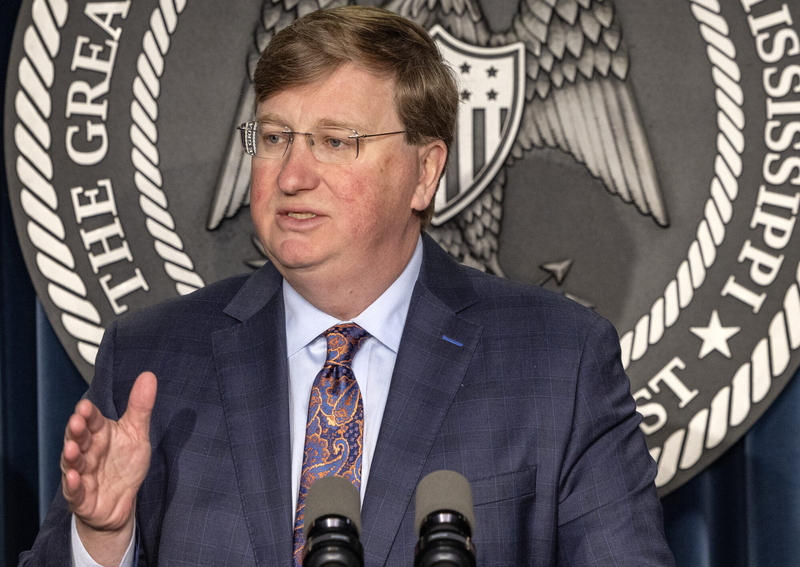
Description
Photo courtesy of Mississippi Today
A handful of recipients accounted for a substantial share of the first round of federal awards to boost rural health in Mississippi, according to an analysis of funding conducted by Mississippi Today.
Memorial Health System, based in Gulfport, received the largest share of funds — more than $15 million for 12 projects, while a consortium of hospitals in south central Mississippi received more than $13 million for seven projects. Together, the hospitals accounted for over a quarter of $104 million in grants announced by Gov. Tate Reeves on Sept. 14.
Across all recipients, the grants will fund 167 projects to strengthen cybersecurity defenses, replace outdated computers and technology, expand access to diagnostic testing and health screenings, create new service lines and telehealth programs, implement AI-driven software and install back-up generators.
The first round represents more than half of the nearly $206 million allocated to Mississippi as a part of the initial year of the five-year, national $50 billion Rural Health Transformation Program. The initiative was designed to blunt the impact on struggling rural hospitals of federal spending cuts Congress passed and President Donald Trump signed into law in July 2025.
Richard Roberson, president and CEO of the Mississippi Hospital Association, said though the initial awards spanned the state, disparities emerged in the areas and institutions allocated funding.
There were never any targets for awards in certain counties or regions of the state, Reeves said.
“This was never going to be a top-down approach,” he said. “But rather, it is a bottom-up approach where every individual application that we received was judged on its own merit.”
An independent review panel scored proposals using a rubric that graded whether applicants’ planned to address a quantifiable need in rural healthcare and submitted a plan for implementation, budget and tracking outcomes. The panel’s recommendations were then vetted by the Mississippi State Department of Health.
The review panel also considered how to distribute funds to ensure statewide impact and avoid duplication with other programs, according to funding notices.
Greg Flynn and Andrea Dilworth, spokespeople for the Health Department, did not respond to Mississippi Today’s questions about the application review process. Shelby Wilcher, a spokesperson for the governor, also did not respond to Mississippi’s questions.
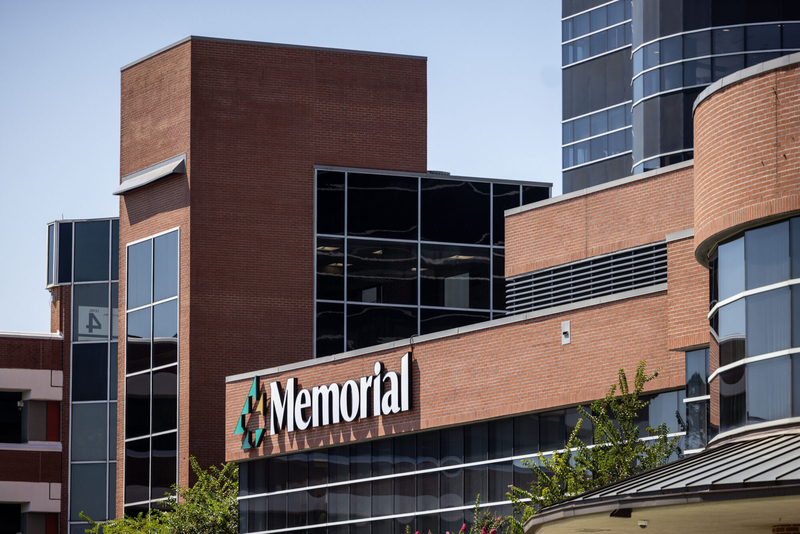
Awards made to Memorial Health System, a public not-for-profit system, alone account for a seventh of the funds allocated for the entire state as a part of the initial three grant programs. The awards, totaling over $15 million, will fund projects that include a mobile MRI program, computer system upgrades for chemotherapy orders, new IT systems and expanded access to diagnostic testing and imaging services. It will also fund AI-enabled virtual primary, behavioral and chronic disease care services in Stone, George, Hancock, Jackson and Pearl River Counties.
The health system operates three hospitals in Gulfport, Biloxi and Wiggins, and an array of clinics. It is jointly owned by Harrison County and the city of Gulfport.
President and CEO Kent Nicaud said in a written response to Mississippi Today that the organization made significant efforts to identify areas of need, including reviewing patient encounters to identify the services rural patients were often leaving their communities to receive, and submit thorough, actionable proposals for the grants. The health system enlisted the help of a national firm and a consultant to assist with the process.
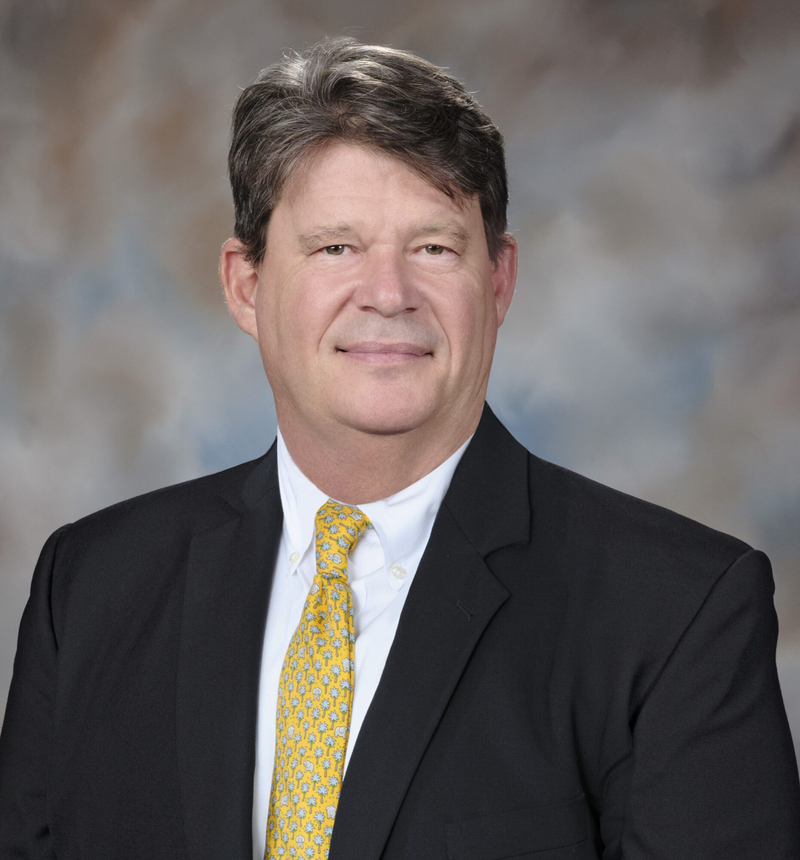
“This was never simply about pursuing grant dollars,” Nicaud said. “We were asking, ‘If we have an opportunity to rethink how care is delivered in rural South Mississippi, what can we do that will still make a difference five or 10 years from now?’”
Nicaud said that access to diagnostic testing and imaging are limited in Stone County, which has elevated rates of breast cancer and high mortality from heart disease, forcing many patients to travel outside of their communities for care.
He added the health system’s proposals were designed to be scalable, and system administrators plan to share data and best practices learned from the initiatives with providers that want to implement similar projects in their communities.
Nicaud serves as board chairman for the Mississippi Healthcare Collaborative, a statewide coalition of healthcare providers formed in 2024. He has contributed significantly to Reeves’ previous political campaigns, which he said did not impact how Memorial fared in the application process.
“I did not discuss Memorial’s applications or funding requests with Governor Reeves, his office, or any state agency,” Nicaud said.
A consortium of hospitals in south central Mississippi helmed by Gregg Gibbes also received a large portion of the initial grant awards — over $13 million for seven projects in Covington, Jones and Simpson counties. Gibbes is the CEO of South Central Regional Medical Center in Laurel, Covington County Hospital in Collins, Magee General Hospital and Simpson General Hospital in Mendenhall. Gibbes did not respond to Mississippi Today’s request for comment.
Delta Health Center, a Mound Bayou-based federally qualified health center with 17 locations, received over $5 million for five projects. The health center’s plans for the money include a 24/7 urgent and critical response center in Rosedale, patient monitoring and mobile community health workers and strengthening cybersecurity infrastructure. Robin Boyles, a spokesperson for the health center, did not respond to Mississippi Today’s request for comment.
Baptist Memorial Health Care, which operates 14 hospitals in Mississippi, received one award worth about $1.5 million. Baptist Memorial Hospital-Calhoun, located in north central Mississippi, received the award to modernize critical IT infrastructure at Baptist hospitals in Kosciusko, Carthage, Yazoo City and a nursing home in Calhoun.
The hospital system submitted six proposals, together worth $17.9 million, said Keith Norman, the vice president of government relations and chief community relations officer, in a written statement to Mississippi Today.
“Although we anticipated receiving a larger share of the $104.2 million available in the first funding round, the clearer criteria and lessons from the initial process should help us strengthen future proposals and expand services in communities that did not receive funding,” Norman said. “We value every community we serve, and our patients deserve equal access to modern facilities and enhancements across the state.”
Board of Health members’ organizations receive awards
Several healthcare organizations helmed by Mississippi Board of Health members received awards. The Board of Health oversees the operations of the Mississippi State Department of Health, the agency that oversaw the selection process.
Lampton Medical Associates, P.A., a Magnolia-based medical clinic led by Board of Health member Dr. Lucius Lampton, received over $2 million to modernize electronic medical records for 50 rural Mississippi healthcare practices. Lampton served as board chair until July, when Dr. James Chaney assumed the role.
Lorie Till, the CEO of Northwest Mississippi Regional Medical Center, was appointed to the board by Reeves in July. She also serves as president of the Delta Health Transformation Council, a regional collaboration of hospitals and clinics.
Both organizations received rural health awards. Northwest Mississippi Regional Medical Center received about $2 million for three projects to modernize IT infrastructure, support a maternal health initiative and create a cardiology imaging and reporting network. The Delta Health Transformation Council received $3 million to expand access to robotic-assisted surgery in the Delta.
Flynn and Dilworth, spokespeople for the Health Department, Lampton and Till did not respond to questions from Mississippi Today about efforts made to prevent conflicts of interest during the application review process.
Technology leads spending
Roberson said roughly two-thirds of the awards announced Sept. 14 will go to hospitals or affiliated clinics, according to his analysis. The remaining third includes federally qualified health centers, private clinics and urgent care centers, dental, vision and surgical specialists, pharmacies and assisted living facilities.
Roberson said while the proportion allocated to hospitals is substantial, it does not align with the funds’ original intention of supporting rural hospitals facing cuts.
“The billions of dollars of cuts to hospital payments are going to have a dramatic impact, and it’s going to hit rural hospitals particularly hard,” he said.
In Mississippi, federal cuts are expected to reduce provider payments by about $100 million annually beginning in July 2028, according to the Mississippi Division of Medicaid’s strategic plan published in July.
Close to half of the funds awarded are for projects focused on technological improvements. A slightly smaller portion is set to fund infrastructure projects, and a much smaller amount is earmarked for telehealth initiatives. Officials will soon also announce awardees for several other grant programs, including $16.8 million for four grant programs aimed at addressing critical healthcare workforce shortages in rural communities and $14 million to create calm, therapeutic units at hospital emergency departments to improve crisis mental healthcare, Reeves said at a recent press conference.
Roberson said he would like to see more of the funds awarded to capital improvements, like helping rural hospitals struggling to replace equipment, add new services on-site or replace HVAC systems. These types of projects are likely to have a more lasting impact than technology investments — which can quickly become outdated — for small hospitals with slim margins, he said. He acknowledged that some of the allowed funding uses, like one that bars new construction, are dictated by federal guidelines.
“I’m hoping that in the future, we can see more funds shifting to things like capital improvements because those are things that can make a bigger difference over time,” Roberson said.
Khaylah Scott, a program manager at the Mississippi Health Advocacy Program, said she is grateful the funds are being deployed to improve healthcare in rural areas. But she noted that the federal funds will expire in five years, and they won’t expand health insurance to the thousands of Mississippians struggling to afford coverage.
“It might mitigate or lessen the blow, but the blow is still coming,” Scott said.
Correction 9/25/26 — This story has been updated to reflect that Memorial Health System is a not-for-profit health system.
Jackson, MS