NJ utilities board votes to keep electricity rates level
Sep 24, 2026 | 3:48 pm ET
Description
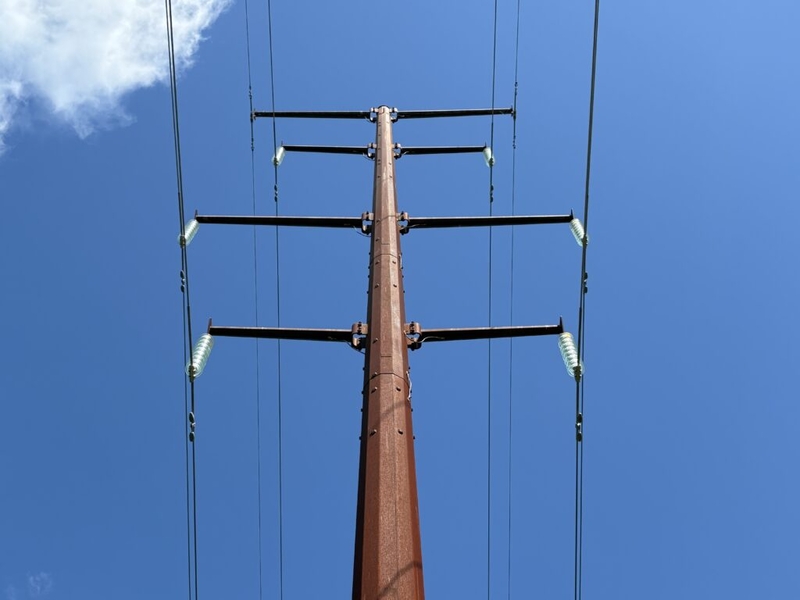
The Board of Public Utilities on Thursday pledged no net increase in electricity rates for New Jersey’s four regulated utilities. (Photo by Dana DiFilippo/New Jersey Monitor)
The Board of Public Utilities approved a series of rate changes Thursday that will keep rates roughly level for residential electric ratepayers while shaving dollars off most residential gas customers’ monthly bills.
Thursday’s votes come months after Gov. Mikie Sherrill signed an executive order that directed New Jersey’s energy regulator to modify components of ratepayers’ monthly bills in an effort to keep costs from soaring amid steep increases in electricity demand. Sherrill signed the order during her inauguration as governor in January.
“Taken together with the items on the agenda earlier this month, these actions will result in no net increase in electricity rates and a slight decrease in gas rates,” said Ben Hertz-Shargel, the board’s president.
Among the state’s four electric distribution companies, Rockland Electric Company will see the largest monthly decrease, though overall bills will remain roughly unchanged at each of the utilities.
The average Rockland customer using about 650 kilowatt-hours within a billing cycle can expect their bill to decrease by 67 cents, board staff said, and ratepayers with Atlantic City Electric will pay 5 cents less each month.
The average Jersey Central Power and Light customer will see their bill drop by 8 cents.
Average monthly electric bills with PSE&G were expected to rise by 2 cents as a result of transmission rates flowing from the Federal Energy Regulatory Commission, but board staff said state offsets would eliminate the increase.
Gas rates will decline further. The average monthly bill with Elizabethtown will fall $18.16 as a result of Thursday’s votes, with a $17.03 decrease for New Jersey Natural Gas customers.
PSE&G gas customers’ average monthly bills will drop by a more conservative $5.85, the board’s staff said, and South Jersey Gas customers’ bills will stay roughly level after a 2-cent monthly decrease.
“The board continues to prioritize energy affordability,” Hertz-Shargel said.
The commission’s votes come amid a worldwide spike in electricity prices driven by data centers’ mammoth energy demands and supply disruptions stemming from the Iran war and Russia’s invasion of Ukraine.
Some customers will see individual components of their bills increase, but those will be offset by drops to other components.
Atlantic City Electric’s average monthly bills, for example, will rise by $4.09 because of changes to its Regional Greenhouse Gas Initiative charges, certain infrastructure investments, and shifts in transmission charges set federally. But those same bills will fall by $4.14 due to changes to some Societal Benefits Charge components and lost sales related to energy efficiency and conservation programs, leaving the average monthly bill 5 cents cheaper than before.
In New Jersey, electric utilities sell electricity at cost and profit at rates negotiated with regulators on infrastructure investments needed to distribute power.
Though regulators and other officials have limited control over some bill components like wholesale electricity prices, they can make offsetting reductions on other utility charges.
Board of Public Utilities Commissioner Michael Bange warned of other affordability issues on the horizon. He said investments in water infrastructure over the coming years could blindside ratepayers focused on their rising electricity bills, and he urged utilities to warn their customers before those increases hit home.
“We’re talking billions of dollars,” Bange said. “For all the water utilities that are out there, I ask you: Please, communicate and educate your customers on the changes that are coming.”
Trenton, NJ