ICE detainees and nonprofit denounce ‘inhumane conditions’ in Natchez facility
Sep 21, 2026 | 3:06 pm ET

Description
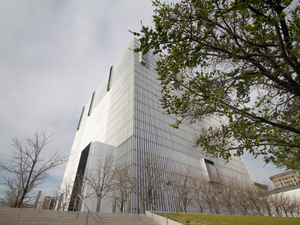
Photo courtesy of Mississippi Today
Rafael Alambarrio had escaped political persecution in Venezuela in 2024 and began building a life in Texas. He met his wife, Heather, and they married a year later. With her help, he was close to gaining permanent citizenship, only to be detained at a routine immigration appointment and sent to Mississippi.
He is one of 2,000 people at the Adams County Detention Center in Natchez – one of the nation’s largest immigration facilities. Detainees have complained about crowding, measly food, a lack of medical care and lingering fumes.
Last month about a hundred detainees protested the conditions and facility staff reportedly used pepper and gas sprays on the crowd. Alambarrio said he joined the demonstration. Detention officers placed most of the people in solitary confinement, and those accused of organizing the protest, including Rafael, spent a month in isolation.
“We are human beings and we deserve respect and, above all, the right to be treated humanely,” he said in Spanish from the facility.
His wife Heather Alambarrio, who is a U.S. citizen, had their conversation on speaker phone during a virtual news conference Friday.

She has found ways to support her husband – paying for immigration attorneys and staying in touch through phone calls and in-person visits. The experience pushed her into advocacy against immigration detention and the use of centers such as the one in Adams County.
Heather Alambarrio, a public school teacher in Texas, said it is heartbreaking to see what the country is doing to people and how tax dollars are being used for immigration detention.
“I feel so proud of you for sharing and being brave to tell this to the world,” she told her husband before their call ended during the news conference.
In a Monday statement, CoreCivic, the private company that operates the facility, said it provides three nutritious meals daily, each detainee has a bed and all can request medical care from a clinic.
CoreCivic said last month an equipment failure temporarily disrupted natural gas that powers the center’s hot water and cooking equipment. When detainees expressed frustration, they were ordered to return to their cells before staff used the gas sprays.
The company said solitary confinement does not exist at the Adams center or CoreCivic’s other facilities, and instead it is called “restrictive housing,” according to the statement. A representative did not mention the isolation of Alambarrio and others following the demonstration.
The Workers Circle, a New York-based national social justice organization, coordinated last week’s news conference. The nonprofit has focused for the past year on immigration advocacy. The efforts began with vigils that led to the shutdown of the Florida Everglades Detention Facility known as “Alligator Alcatraz.”
That work grew into “Freedom Vigils” held outside detention centers, courthouses and in the community. Earlier this month, organizers gathered a vigil outside the Natchez immigration facility.
“It is up to all of us to talk about what’s happening at Adams, share the stories of people being held inside, demand our government free these people who are unjustly held and close this inhumane facility,” said Arianne Betancourt, an organizer for the Workers Circle whose father was held at Alligator Alcatraz, during the news conference.
Heather Alambarrio said the U.S. federal government had already determined Rafael had a credible fear of returning to Venezuela, so it granted him parole as he applied for asylum and eventually a green card.
After they married, Heather petitioned for Rafael’s citizenship. In November, he had an interview to apply for his green card. Afterward, they were told he would have it within 60 days, Newsweek reported.
But then the U.S. State Department paused immigration applications for 19 countries, including Venezuela. Heather said Rafael was detained in January during a routine check-in in Dallas. After he spent a few weeks at a local detention center – Heather spoke out about his detention through local media – Rafael was transferred to Missisisppi in March.
READ MORE: ICE stain Coast immigrant working to gain green card
Rafael said his safety is at risk if he is deported to Venezuela. He especially feels that way because in June, men he knew from the Adams center arrived back in Venezuela as major earthquakes struck the country. Most of them died in a building collapse.
Many like him remain in the Natchez facility and other immigration detention centers until ICE decides whether to grant them relief or deport them.
Family members, advocates and attorneys say legal avenues, such as habeas corpus petitions, are meant to spur action, but they have gone unanswered or are backlogged. Through habeas petitions, the government has to justify why someone is being detained.
READ MORE: 5th Circuit Court of Appeals reverses its decision, allowing ICE to hold detainees indefinitely
Korbin Felder, an attorney from the Center for Constitutional Rights based in Jackson, is representing others detained at the Natchez facility. His work has focused on habeas petitions challenging the Trump administration’s no bond policy.
“It’s a question of what happens if (habeas petitions are) de facto unavailable to people. The government can just take you and detain you and put you in custody without any recourse, without any justification,” he said. “That should scare all of us, whether we are immigrants, whether we are U.S. citizens, whether we are people with convictions or not.”
READ MORE: ICE detainee fights deportation to be with medically fragile infant son
Heather Alambarrio teared up several times during the news conference as she recalled her husband’s experience in the Adams center.
Her anxiety reached an all-time high since their separation. Rafael has been able to talk with a counselor to manage his anxiety, but he hasn’t seen a psychiatrist to receive medication.
They have had to hire another attorney who focuses on detention and ask for donations to help pay. Heather said she had to sell her house, and it saddens her that Rafael, if he is released, won’t have a home to return to.
Claudia Amendoeira contributed reporting

Jackson, MS