Proposed rate hikes for long-term care plans would double premiums for thousands of seniors
Sep 21, 2026 | 5:00 am ET
Description
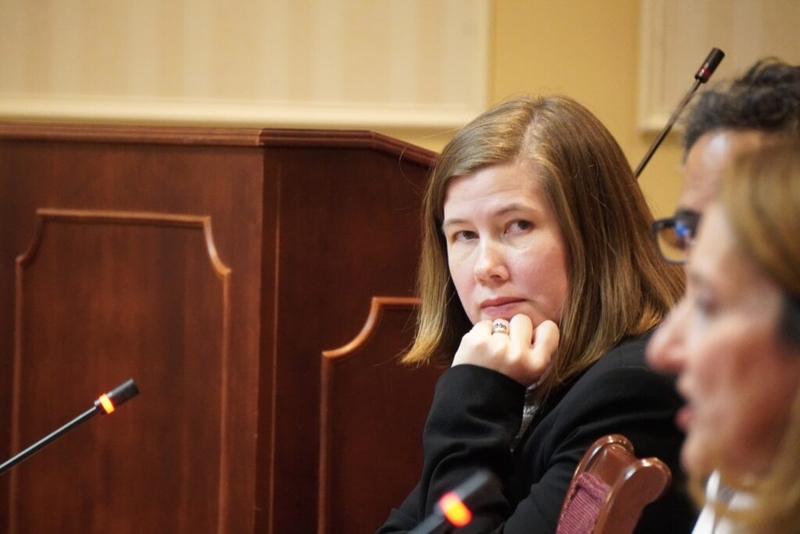
Maryland Insurance Commissioner Marie Grant sits on a panel to discuss insurance with Maryland legislators. (Photo by Danielle J. Brown/Maryland Matters)
Thousands of Maryland seniors paying for long-term health care could see their annual premiums double, or triple, over the next several years if state officials approve the steep increases requested by four Maryland insurance companies last week.
On Thursday, representatives from the insurance companies told state officials that premium rate increases were needed due to greater than anticipated utilization of benefits and lower mortality among participants. But for Marylanders faced with paying those monthly premiums, the near-annual rate increases are starting to wear them down.
“While I appreciate the fact that we can’t let our insurance companies go broke, I’m really starting to have heartburn with all of these rate increases,” Betty Lagundo told the Maryland Insurance Administration during a virtual meeting Thursday.
“You’re asking people to reduce their benefits and give up all the good benefits that they signed up for and still pay more and more and more,” said Lagundo, , who said she’s had a long-term care policy for over 20 years. “There’s got to be a different way. It’s just not right that they keep doing that.”
Some 12,600 Maryland seniors could see jumps in annual costs over the next few years. Between the four companies, with the premium rate proposals ranging from an average 39% increase to 242% depending on policy and company.
The increases are necessary, according to Stephen Edmond, manager of long-term care actuarial services at MedAmerica Insurance Co., which stopped selling long-term care policies in 2016 but continues coverage for 400 Marylanders who have plans with them.
State officials launch 10-year plan to boost supports for growing senior population
“Adverse experience in policy persistency, morbidity and interest earnings has threatened the financial health of the LTC [long-term care] industry for quite some time,” he said during his explanation of why MedAmerica is asking for a 242% increase on the insurance plans of 82 Marylanders.
If approved, that increase would occur over several years, with an annual increase jumping no higher than 15% a year.
“We feel that this transparency provides Maryland regulators with a more complete picture of the financial risk to the company,” Edmond said.
Meanwhile, John Hancock is proposing to raise rates for 19 types of policy plans, with premium rate increases ranging from average of 27% to 142%, with no singular premium rate increasing more than 15% increase in a year.
P.J. Beltramini, an actuary at John Hancock Life Insurance Co., said that an internal company study of their customers’ usage found “higher utilization of benefits and lower mortality for non-claimants, offset partially shorter claims.”
“In short, we expect to pay more in future claims than we previously did,” Beltramini said. “Timely measured action will help preserve the long-term value and sustainability of these policies, while reducing the likelihood that larger increases will be needed in the future.
“Timely phase-in approvals protect customers by promoting more predictable premium adjustments, preserving access to meaningful mitigation options and reducing the risk that unaddressed actuarial deficiencies will continue to accumulate and result in the need for more significant increases in the future,” he said.
But Jin Shin, senior actuary with the Maryland Insurance Administration, acknowledged that there could be significant financial impacts on Marylanders who pay into long-term care policies.
“I just want to say – this is something that’s very obvious – but as a regulator, we have a challenge of keeping a delicate balance between companies’ solvency and consumer protection,” Shin told Beltramini. “So when you are proposing a large rate increase because of your miscalculated actuarial assumptions, I hope that you will have empathy for our senior policyholders who are many times on fixed income.”
Beltramini said that’s “certainly a consideration in everything we do.”
Additionally, Union Security Insurance Co. proposed a rate increase of 101.1% and Transamerica Life Insurance Co. proposed a rate increase of 39.7%.
Officials, advocates seek funds to soften blow of rising healthcare costs
“Altogether, these requests affect 12,666 Maryland policy holders for individual long-term care insurance,” Insurance Commissioner Marie Grant said.
Insurance administration officials said it would be a couple months of analysis and evaluation on the rate request increases before they make a decision on the proposals.
They also noted that the insurance administration often approves rate increases that are lower than those requested. In January, the insurance administration approved a 32.25% premium rate increase over two years for certain policies with Continental Casualty Co., when the company had asked for 212.3% increase.
Nancy Carr, communications director for AARP Maryland, said the proposed increases were concerning.
“This could mean thousands of dollars in additional annual expenses, and it could really impact their retirement savings as a whole,” she said Friday. “Increases are not just an insurance issue; they’re a retirement security issue.
“For Maryland seniors, long-term care insurance represents decades of investment that was intended to protect their life savings, serve their independence and reduce the burden on family caregivers,” she said. “Some of these folks have been paying premiums for 15, 20 or even 30 years.”
If those proposed increases go through as requested, she urges Marylanders to consider all of their options before ending a policy to save money. Alternatives such as moving to a smaller coverage plan can help mitigate the impacts of premium increases while maintaining at least some coverage.
She also urges Marylanders worried about the proposed increases to tell state officials about their concerns. The Maryland Insurance Administration has a written comment period open until Sept. 24.
“In this current economic environment, people are being squeezed from every direction,” Carr said. “Prices for everything are increasing: gasoline, rent, goods and services, groceries. This is just going to be another financial hardship for retirees.”
Annapolis, MD