Rural women who got C-sections more likely to be prescribed opioids at home, study finds
Sep 18, 2026 | 3:17 pm ET
Description
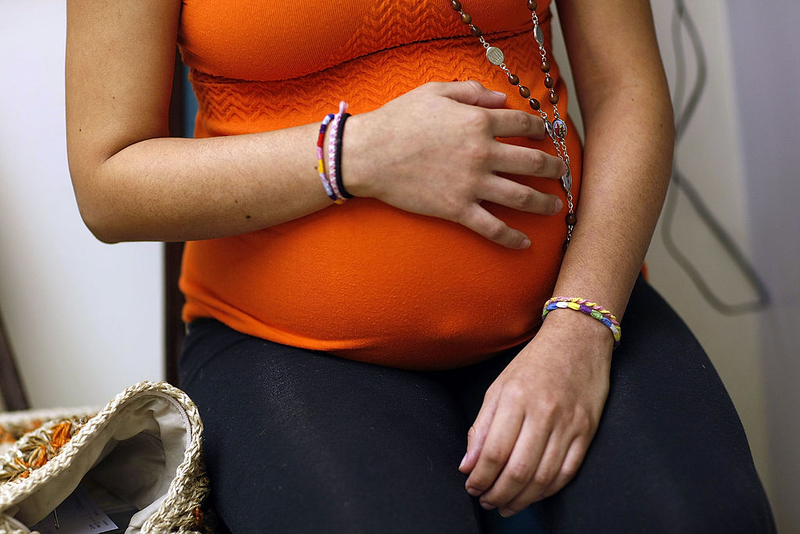
HIALEAH, FL - SEPTEMBER 23: Mary Arguedas, who does not have insurance because she can not afford it, waits to be examined by her OB/GYN, Vivian Chona, at the Jessie Trice Community Health Center, Inc. on September 23, 2009 in Hialeah, Florida. A new census report showed that 53.1 percent of adults ages 18-64 in Hialeah lack health insurance -- almost three times the national average. (Photo by Joe Raedle/Getty Images)
Women giving birth in rural communities were more likely than peers in urban areas to receive oral opioid prescriptions for pain upon leaving the hospital after a cesarean section, according to a new analysis of data from half a million C-sections.
The study was conducted by researchers at Truveta, a health data and analytics company owned and governed by 30 health systems across the nation. Researchers compared pain-management prescriptions from more than 540,000 C-sections between January 2018 and July 2026.
While hospital pain medication use was consistent across groups, the researchers said it varied after patients were discharged from hospitals: For every 100 women who underwent a C-section, roughly 10 more women living in rural communities received an opioid prescription than women in urban communities. Women in rural communities were also more likely to receive prescriptions for acetaminophen and non-steroidal anti-inflammatory drugs (NSAIDs) such as ibuprofen.
More rural hospital closures would mean long drives for pregnant women seeking obstetric care
About 1 in 3 births across the nation is delivered by C-section. Typically, several types of pain medications are used together.
The researchers evaluated three groups of pain medications including acetaminophen (Tylenol), NSAIDs and opioids, such as oxycodone and fentanyl.
While managing pain for recovery after a C-section is crucial, some hospital systems have been trying to curb opioid prescriptions amid the nation’s opioid epidemic to lessen addiction risks. Opioid medications also come with many side effects.
Substance use disorder and mental health conditions are leading underlying causes of maternal death, according to the federal Centers for Disease Control and Prevention. They contributed to more than 1 in 5 pregnancy-related deaths, according to CDC data from 38 state maternal mortality review committees.
The Truveta researchers also examined prescribing by race, ethnicity and documented history of substance use disorder. Unadjusted findings showed somewhat higher opioid prescribing after discharge among Black or African American women and among women with a documented history of substance use disorder. However, the team didn’t determine whether these differences were statistically significant or account for other factors that might help explain them.
“The fact that we’re seeing kind of more opioid prescriptions upon discharge … especially within the context of substance use disorder in maternal health specifically — it does raise a very important question about what’s driving that difference in prescribing, and what happens after women are going home,” said Madhura Vachon, lead researcher of the analysis and a former epidemiologist at the U.S. Centers for Disease Control and Prevention.
Stateline reporter Nada Hassanein can be reached at [email protected].
- September 22, 20269:59 amEditor's note: This story has been updated to clarify a quote from Madhura Vachon.