Alabama withdraws objections to federal marijuana rescheduling
Sep 18, 2026 | 5:59 am ET
Description
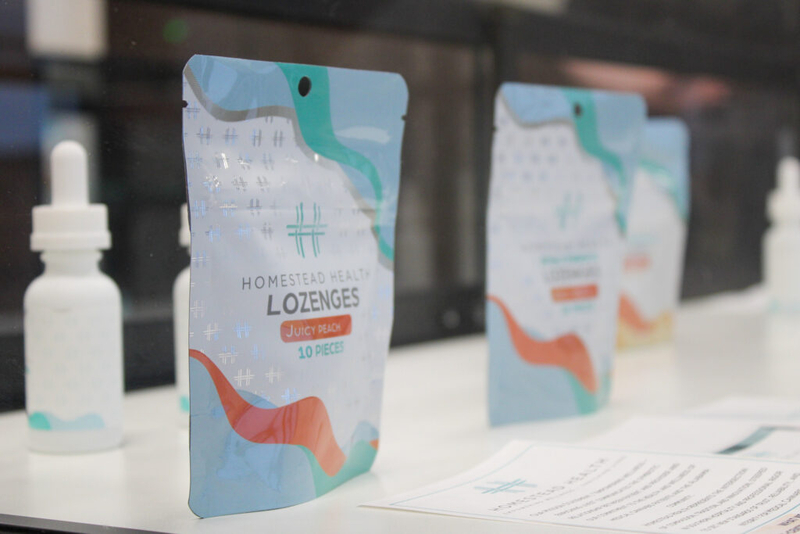
Mock medical cannabis lozenges in a display case at Callie's Apothecary in Montgomery, Alabama, on May 14, 2026. The governing body of the Alabama Department of Public Health on Thursday voted unanimously to withdraw its objection to the rescheduling of marijuana from Schedule I to Schedule III after a procedural public hearing. (Anna Barrett/Alabama Reflector)
Alabama’s public health officials on Thursday withdrew their objection to the federal rescheduling of marijuana, a move officials characterized as procedural, following a July public hearing.
The governing body of the Alabama Department of Public Health (ADPH) in May voted to delay the rescheduling so that officials could have more time to determine how to implement it, but noted that they “fully intended” to reschedule the drug.
State Health Officer Dr. Scott Harris said Thursday morning that he did not see any issues with the change, and the public comments did not reflect the impact of rescheduling but rather marijuana itself.
“I would say there are a lot of really passionate people that had a lot of really strong feelings about it, and I don’t want to minimize that or oversimplify that,” Harris said. “The comments were people who really support medical marijuana or who really don’t support medical marijuana. The comments weren’t really about what we were trying to get at, which (was) ‘what are the consequences of rescheduling.’”
Conservative activists at the public hearing said the rescheduling would “harm children” and “worsen Alabama’s mental health crisis.” The only proponent of rescheduling at the public hearing said not doing so would instill distrust between patients and doctors.
Harris said ADPH’s legal team resolved all of the department’s concerns, like the impact to pharmacies and those seeking the medication.
In April, the U.S. Department of Justice (DOJ) moved marijuana from Schedule I – the Drug Enforcement Administration’s list of drugs with the greatest potential for abuse and least legitimate use – to Schedule III, with drugs considered to have a moderate to low potential for physical and psychological dependence, according to the U.S. Drug Enforcement Administration. The order followed an executive order signed by President Donald Trump in December instructing the DOJ to move towards rescheduling.
Former President Joe Biden instructed the DOJ to reschedule the drug in 2024, but hearings on the move were canceled in early 2025.
The federal order applies to state-licensed medical marijuana products in the states that allow medicinal use of the drug. The move means those businesses can deduct business expenses from their federal taxes and researchers have access to state-legal products. As a Schedule I drug, only cannabis grown in a federal facility could be studied, severely limiting the supply available to researchers.
Alabama’s medical cannabis program was created by the Legislature in 2021. Three dispensaries are open in the state, with seven more to open within the next few months. At the program’s full capacity, there will be nearly 40 dispensaries.
Harris said the rescheduling would not impact the state’s medical cannabis program.
“The program’s already live, even though it’s still Schedule I in Alabama. The reason is, the statute was written essentially to decriminalize it for people who are authorized to have it,” he said.
The committee unanimously withdrew its objection.
Montgomery