Drop in Nebraskans receiving public food assistance hastens, drawing concern at hearing
Sep 17, 2026 | 9:12 pm ET
Description
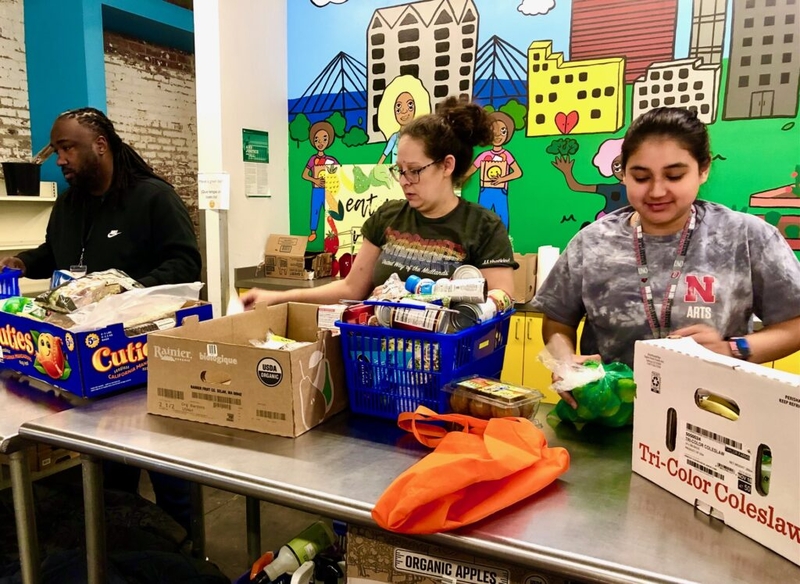
Together food pantry in downtown Omaha helps people in need pack up free grocery items during a past holiday season. The number of Nebraskans receiving public food assistance has dropped since the Trump administration's stricter eligibility and work requirements were implemented in summer of 2025. Advocates are concerned, saying some who need help aren't getting it and that pressure is weighing on private pantries and food banks. (Cindy Gonzalez/Nebraska Examiner)
LINCOLN — The number of Nebraskans receiving public food assistance continues a downward slide, punctuated by recent back-to-back record drops in monthly participation since the state began releasing public SNAP data in 2014.
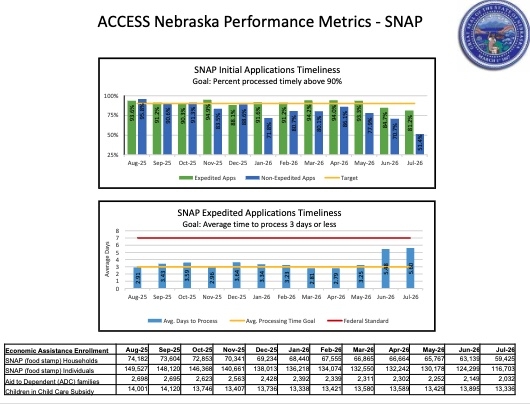
The latest figures show that about 7,600 fewer Nebraskans were enrolled in the Supplemental Nutrition Assistance Program (SNAP) in July compared with the month before. Total participation was 116,703 Nebraskans, down from about 150,000 a year ago.
July beat June in terms of the biggest single-month loss of SNAP participants in more than a decade and since the summer of 2025, when Congress approved a massive tax-and-spending-cuts package described by President Donald Trump as big and beautiful.
In a legislative hearing Thursday, a Nebraska Appleseed nutrition advocate sounded further alarm.

Records show that compared with July 2025, nearly 33,000 fewer people in Nebraska received public food assistance this July, a nearly 22% dip over the year. Eric Savaiano, the nonprofit Appeseed’s manager for food and nutrition access, said about half of that loss represents Nebraska youth and teens under age 19, with 13% of the total annual loss being infants and children under 5.
He called that shocking and said the decline does not mean “someone solved hunger last summer.”
“Fewer people on SNAP means hungry people, half of which are children, are experiencing more strain and struggle, more trips to limited food pantries and food banks, and more long-term pain for school nutrition programs and educators for the foreseeable future,” Savaiano said.
He laid out concerns during a hearing before the Legislature’s Health and Human Services Committee. Though the focus was an interim study on food insecurity for pregnant and postpartum women and their children in Nebraska, SNAP emerged as part of the discussion.
Call for ‘accountability’
The committee chair, state Sen. Brian Hardin of Gering, took a challenging stance and asked Savaiano if there should be “accountability” for people to work if they’re being provided public food benefits.
Recent declines in SNAP and other public benefits have been tied to eligibility changes and stricter work requirements called for in the 2025 tax and spending measure. The Trump administration said it wanted to curb waste, fraud and abuse and spend federal dollars wisely. The Department of Agriculture covers the cost of SNAP benefits. States administer the program and share those administrative costs with the federal government.
Hardin said much of the national debt is related to health “in some way, shape or form.”
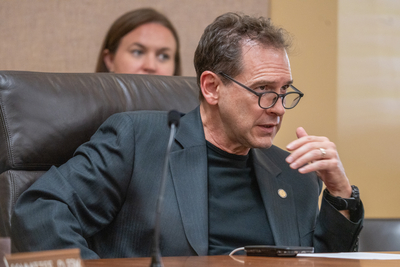
“If we don’t go after something in the health space, we will never get a handle on that,” Hardin said after Savaiano’s testimony. “And if we don’t get a handle on that national debt, what happens to Nebraska?”
Savaiano responded, “Are we doing that on the backs of people who need the support right now?”
Appleseed officials believe that Nebraska’s declining SNAP participation has been exacerbated by the state’s implementation in May of new eligibility verification requirements for all applicants. Savaiano said states have flexibility in their verification process and that Appleseed believes the tactics employed by the Nebraska Department of Health and Human Services are overly burdensome and have scared off some Nebraskans who need aid. He hopes for future legislation to rein in the process.
Savaiano said, for example, that Nebraska SNAP beneficiaries must certify the number of people who live in their household, and that can take the form of getting a neighbor to sign paperwork. Savaiano referred to the case of a rural Nebraskan who balked, saying her neighbors would laugh and make her life miserable. She no longer participates in the program.
Protecting taxpayer dollars
A spokesperson for Nebraska DHHS acknowledged that the state’s drop in SNAP participation is in part due to stepped-up verification requirements. Jeff Powell, the spokesperson, said the process was created in response to the federal law change and requirement that states maintain a SNAP payment error rate below 6%.
States with error rates above that threshold, beginning in October 2027, must pay a portion of federal benefit costs. Nebraska was one of only nine states with a reported error rate below 6%. Error rates measure the accuracy of states in determining who is eligible for SNAP and how much they receive.
“The enhanced verification measures will ensure program integrity, error rates remain below 6%, and taxpayer dollars are protected,” said Powell.
He said Nebraska has reduced the instances when the “honor system” is used. He said that is “critical” to remaining below the error threshold.
“DHHS is working to streamline the new measures to achieve quicker benefit determinations and will ensure that all Nebraskans eligible for SNAP benefits can receive them,” Powell said.
State Sen. Victor Rountree of Bellevue, who had requested that the Legislature examine food insecurity particularly for women and their children, noted during the hearing that Gov. Jim Pillen signed a proclamation declaring Sept. 14-18 as Malnutrition Awareness Week.
Only two members of the committee were present at Thursday’s hearing, though it was livestreamed and recorded. Rountree testified that many pantries and food banks have been running low on healthier items as Nebraska families are leaning more on private food providers.
Healthy brain development
Among experts invited to speak was Abbie Raikes, a professor at the University of Nebraska Medical Center whose focus is on early childhood development. She said she was speaking as a private individual and noted that nutrition in early years is essential for healthy brain development.
She and other academics who spoke said food insecurity can negatively affect school readiness, academics and behavior.
Rountree asked members to consider the testimony when acting on future legislation related to low-income Nebraskans.
“Develop well now so we can have our children in school able to learn and be productive members in our society,” he said.
Lincoln, NE