Report: Federal judge says rule of law was threatened during Operation Metro Surge
Sep 17, 2026 | 6:37 pm ET
Description
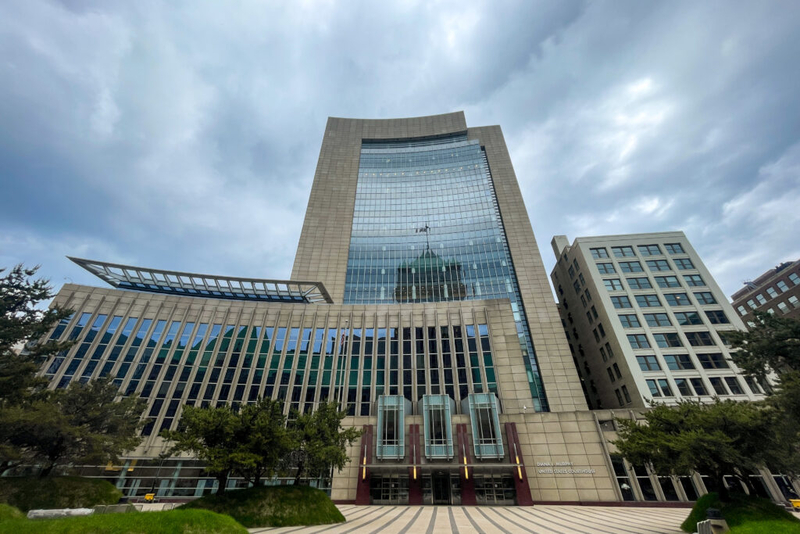
Diana E. Murphy federal courthouse is shown in Minneapolis Friday, May 17, 2024. (Photo by Nicole Neri/Minnesota Reformer)
A federal judge who issued several critical rulings of the Trump administration during Operation Metro Surge last winter told The New York Times in a rare interview that the federal government’s actions during the crackdown “created a grave threat to the rule of law.”
The New York Times spoke to Judge Patrick J. Schiltz and six other members of Minnesota’s federal bench about the immigration sweeps that flooded the court with over 1,000 habeas corpus petitions and led to tensions between the U.S. Department of Justice and federal judges who are typically “partners” in the criminal justice system, Schiltz said.
Schiltz is a noted figure in conservative legal circles and clerked for the late U.S. Supreme Court Justice Antonin Scalia.
In February, Schiltz threatened to hold Trump administration officials in contempt for violating court orders numerous times at the height of their mass deportation efforts. Immigration and Customs Enforcement had violated nearly 100 orders issued by Minnesota’s Federal District Court, the New York Times reported.
“I would say aloud to myself, ‘This just never happens,’” he said, referring to the orders.
The federal judges described to the Times a chaotic environment where the number of cases ramped up as more people challenged their detention in court. The judges described being constantly near their devices in case they missed a petition.
“The cost of me enjoying a movie could be somebody waking up in New Mexico the next day when they shouldn’t have,” Schiltz told the Times.
Career prosecutors in the Justice Department resigned over how the Trump administration handled the investigations into the killings of Renee Good and Alex Pretti.
Schiltz also quashed broad U.S. Department of Justice subpoenas issued to the offices of Gov. Tim Walz, Minneapolis Mayor Jacob Frey and other elected officials, in stark language: “Initiating a criminal investigation in order to harass political opponents or to coerce them into taking official action — particularly official action that the federal government cannot directly require those political opponents to take — is a blatantly unlawful and unethical use of the grand-jury process.”
The judges dealt with violent threats. After high-profile rulings, the phones in judges’ chambers would continuously ring, and clerks logged hundreds of messages each day. One judge showed the Times an anonymous email: “kill u soon,” it read.
In response to the interviews, a Department of Justice spokesperson said it was “remarkable that sitting federal judges are giving on-the-record interviews” criticizing the administration and suggested that they recuse themselves on pending cases.
The spokesperson said the administration “will continue to fully comply with court orders.”

Saint Paul, MN