Everyday increases cost Maine households $4,300 since Trump returned to office
Sep 16, 2026 | 4:50 am ET
Description
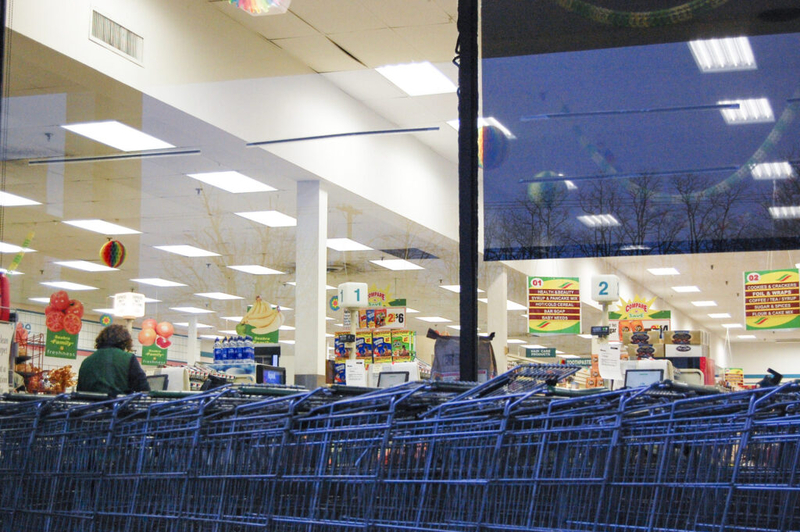
Across the country, food costs have increased by 4% since 2024, the Joint Economic Committee found. That means an average household has to spend an extra $310 for groceries compared with two years ago. (Photo by Alexander Castro/Rhode Island Current)
You’re not imagining it: everyday costs are going up. From gas to groceries, heating oil to healthcare, Mainers are paying substantially more for goods and services than they were a year ago.
The average Maine household has paid an average of $4,300 more for goods and services since President Donald Trump began his second term, according to an analysis released last week, which attributes much of that increase to the war in Iran, tariffs and rising healthcare costs.
The left-leaning Maine Center for Economic Policy (MECEP) released a summary of cost increases last week, relying on analysis from Democrats on the U.S. Congress Joint Economic Committee and other sources that have tracked price increases due to Trump administration policies.
Healthcare is the biggest variable: since Congress allowed enhanced premium tax credits for marketplace health plans to expire at the beginning of this year, some families saw much more than the average $4,300 increase, while those with employer-sponsored health insurance have not seen such dramatic price hikes.
But other increases — such as gas, which now costs more than $4 per gallon, and heating oil, which is now $5.15 per gallon — are more ubiquitous, and expected to add more than $2,000 to household budgets by the end of the year.
“These are very clear examples of policy decisions being made by this administration that are ultimately going to serve to increase cost on everyday items for most, if not all people,” said Garrett Martin, president and CEO of MECEP.
Mainers are feeling the impact of these rising costs just two months before the November midterm elections, with affordability seen as a central issue for candidates and voters. Congressional Democrats have pointed to the figures as evidence that Trump has failed to deliver on his campaign promises to lower costs.
“I think Mainers recognize that decisions that are being made in Washington are having a direct impact on their household budgets,” Martin said.
“The question I think they’re going to be asking themselves this election cycle is, who are the people who are most likely to help address those concerns.”
Healthcare price hikes
Many Mainers are already dealing with high healthcare costs due to the combined impact of cuts and eligibility changes to Medicaid, higher health insurance premiums, and the loss of the enhanced premium tax credits.
Combined with the closure of rural hospitals and decreasing access to primary care, it has created what Martin called “healthcare shrinkflation, where you’re paying more but getting less out of it.”
The cost of health insurance is going to continue increasing next year. The Maine Bureau of Insurance last month announced an average rate increase of 14.8% for the individual market and 13.5% for the small employer market for 2027, which is comparable to the national 15% increase in insurance costs. According to the bureau, higher rates are reflective of increased utilization of services, increasing costs for prescription drugs and more expensive provider contracts.
But the impact of the expired subsidies is also apparent in the projected 2027 rate hikes “due to expected continued decline in enrollment by healthier and younger members,” Bureau Acting Superintendent Tim Schott told Maine Morning Star in June.
Increased everyday expenses
Across the country, food costs have increased by 4% since 2024, the Joint Economic Committee found. That means an average household has to spend an extra $310 for groceries compared with two years ago.
Gas price increases are perhaps the most apparent impact of the Iran war. The MECEP analysis estimates people across the state have spent an additional $393 million on gas since the beginning of the war in late February, costing the average family in Maine an additional $706.
The war is also partly to blame for an increase in fertilizer costs, which jumped up by 52% since the war started, forcing farmers to choose between paying more or using less, threatening crop yields and pushing up food prices.
Tariffs’ toll
Trump’s on-again-off-again trade war has also impacted household ledgers, MECEP found, though the impact is not as clear. Maine’s largest trading partner, Canada, imposed retaliatory tariffs last week on a host of materials and products that are expected to hit Maine goods by an estimated $170 million.
MECEP collected price increase data from various sources that demonstrate the tariffs will add an estimated $1,100 to the average family’s costs over the next 12 months.
That includes price increases for new and used cars — that cost about $1,200 and $1,300 more respectively — and clothing, which has gone up by more than 4%.
Housing also costs more, both to buy and build. People looking to buy a new home will now face a mortgage rate of more than 7% and companies building homes have to reckon with construction materials that cost 15% more, adding about $11,000 to the average new home cost.
Manufacturing costs overall have been impacted by both the war and the tariffs, with construction materials such as steel, copper and aluminum costing about 50% more, raising prices on everything from beer to fire trucks to equipment. Diesel has increased 60% and jet fuel is up 56%, raising costs for several industries including trucking, farming, and air transport.
“Our concern both with the tariffs and with the war is that it’s not clear what the plan is for this administration,” Martin said.
“So these things could persist well into the future, or they could certainly change overnight. But the pattern has been that they have not changed for the better.”
Augusta, ME