A new report highlights the scarcity of maternal care in rural NC
Sep 15, 2026 | 6:07 pm ET

Description
North Carolina's infant mortality rate declined in 2024, but racial disparities remained. (Photo: Getty Images)
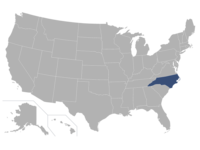
One in six North Carolina counties is a maternity care desert, with no birthing facilities or obstetric clinicians, according to a new report from the March of Dimes.
About 61,000 women ages 18 to 44 live in maternity care deserts, and 4,000 babies are born each year to mothers who live in maternity care deserts. Almost 67% of maternity deserts are in rural counties. Twelve percent of counties have only one obstetric clinician.
Patricia Campbell, director of the March of Dimes’ maternal & infant health initiative, presented the report on access to maternity care to a committee of the N.C. Child Fatality Task Force focused on health during and around the time of birth.
On average, women in North Carolina travel 17 minutes to reach a hospital with labor and delivery services. However, women who live in maternity deserts travel nearly twice as long, she said.
The state’s infant mortality rate dropped to a historic low in 2024. But Black babies continue to die at a rate 3 times higher than that of white babies.
Eastern counties have the highest rates of infant mortality, said Kathleen Jones-Vessey, an epidemiologist at the N.C. Division of Public Health. Those counties also have some of the state’s highest rates of unemployment, poverty, and other non-medical factors related to health, she said.
The state has a goal in its Healthy North Carolina Plan of narrowing the racial disparity ratio to 1.5 by 2030, but it is moving in the wrong direction.
NC’s child death rate is rising, with a big jump in teen homicides
Each state is getting federal money to help improve rural healthcare.
The state Department of Health and Human Services is using its federal rural health transformation grant to help expand access to maternity care.
North Carolina received $213 million in its initial installment. With that federal money, the state has set up regional “NC Roots” hubs connecting medical, behavioral and social services.
Some of the work assigned to the hubs focuses on perinatal care, said Belinda Pettiford, section chief in the N.C. Division of Public Health.
The hubs will develop plans to increase access to prenatal services, Pettiford said. “Our focus is around improving access in that first trimester, because our numbers in North Carolina are going in the opposite direction that we’d like them to go,” she said.
Raleigh, NC