Beshear directs state money to nonprofit to forgive medical debt for Kentuckians
Sep 15, 2026 | 3:30 pm ET
Description
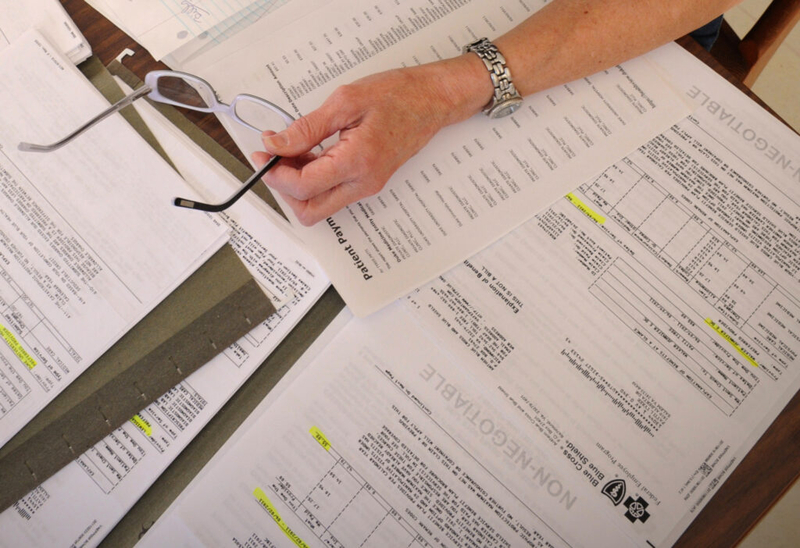
Medical debt is crippling many Kentuckians. (Photo by Don Petersen/Associated Press)
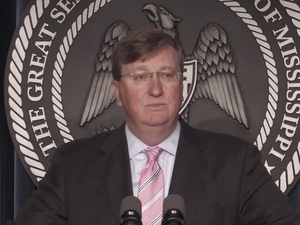
Democratic Kentucky Gov. Andy Beshear is directing $2.5 million in state funding meant for housing to a national nonprofit with plans to forgive outstanding medical debt for tens of thousands of low-income Kentuckians.
In a Tuesday afternoon press conference announcing the move, Beshear said the poor credit scores that some Kentuckians have who carry medical debt are contributing their financial burdens.
He said the national nonprofit Undue Medical Debt is receiving the $2.5 million — through the creation of an new state program enacted by an executive order — to purchase the medical debt of Kentuckians at a discount to then forgive the debt. A press release from Beshear’s office states the move will forgive about $250 million in medical debt for more than 130,000 Kentuckians.
“It’s bad enough to face the pain that comes with those challenges, let alone being burdened by extreme costs that cripple families for years, if not a lifetime,” Beshear told reporters. “That bad credit is a barrier for so many families wanting to secure a home so that they can live their American dream.”
He said those who would qualify do not need to go through an application process to have debt forgiven and that the nonprofit would identify and send letters to those who qualify. Among the qualifications to have debt forgiven, up to $600,000 a person, are people who earn at or below 400% of the federal poverty level or who owe at least 5% of their annual income with medical bills.
Other states and local governments, including Kentucky’s second largest city of Lexington, have given public funding to Undue Medical Debt to forgive the medical debt of constituents.
Last year, the Lexington Herald-Leader reported that Undue Medical Debt officials defended the high administrative fees it charged as a part of a $1 million contract with the city. The newspaper reported Lexington Mayor Linda Gorton chose not to sign the contract because of concerns over those high fees. The contract went into effect by default because the council passed it into law.
A 2024 study co-authored by a Standord University professor also raised questions about the effectiveness of the medical debt relief. In response, Undue Medical Debt said more work is needed on their model.
Beshear said the funding comes from within the state budget and is meant for housing, arguing he has flexibility in the state budget to move funding around. He also made reference to comments from Republican state lawmakers that he has flexibility to move funding around.
He said the housing funding is “connected” to the medical debt relief because those who have debt forgiven will see their credit scores improve and therefore can afford to afford a home.
“When we saw that we can improve this many credit scores by alleviating this debt with the amount of affordable housing that we’re building right now, the two connected and means that we’re not only going to get people out of debt, we’re going to get them in homes,” Beshear said.
The redirected monies originally come from a one-time $10 million allocation that state lawmakers had appropriated to start a revolving loan program to fund infrastructure for residential housing.
Beshear issued a line-item veto of the bill that had the loan program funding, removing any mention of the program and allocating the funding to “housing.” Beshear is now using that funding for medical debt forgiveness.
Sen. Robby Mills, R-Henderson, who supported the revolving loan program idea, told the Lantern that the redirected funding “wasn’t the intent of the legislature in that appropriation.”
“I would even venture to say he knows that that wasn’t the intent,” Mills said.
Republican leadership in the GOP-controlled state legislature did not immediately provide a response on the executive order by Beshear.
Melissa Henry from Paducah, who the governor said had $3,500 of medical debt forgiven, told reporters that chronic back pain and surgeries led her into burdensome medical debt.
“While the debt that Undue Medical Debt erased for me was just a pebble on that giant mountain I have from multiple complex surgeries and other medical treatment I’ve received, I’m not naive enough to think that any amount of erased debt wouldn’t change the life of another person or family,” Henry said.
Frankfort