‘Definitely A Hit’: Hawaiʻi Urges Trump To OK Disaster Aid
Sep 15, 2026 | 6:01 am ET
Description
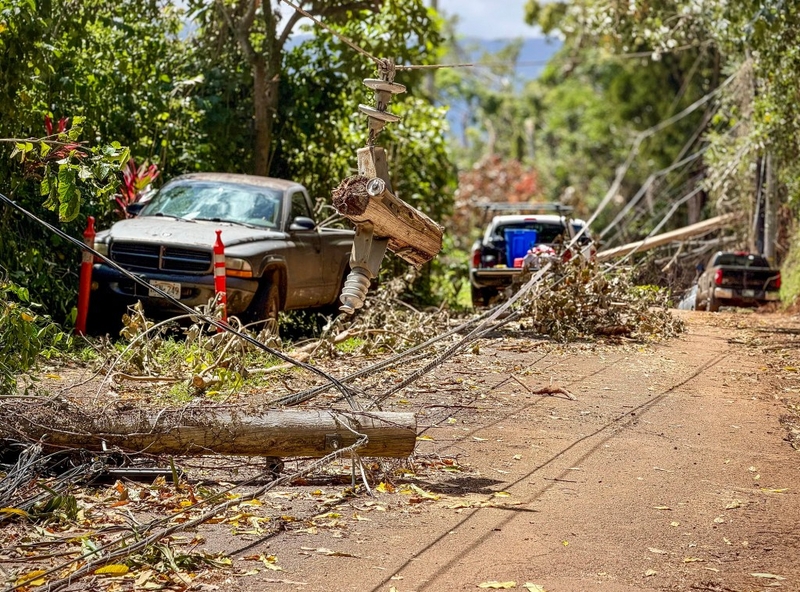
Photo courtesy of Honolulu Civil Beat
State and county leaders still don't know what impact hurricanes Lala and Lowell may have on state and county budgets, but Gov. Josh Green and Hawaiʻi's congressional delegation are hurrying to unlock federal financial support for the storm recovery.
U.S. Sens. Brian Schatz and Mazie Hirono joined U.S. Reps. Ed Case and Jill Tokuda on Monday in calling on President Trump to swiftly approve Green's requests Wednesday for major disaster declarations to speed financial support to communities that were pummeled by the hurricanes.
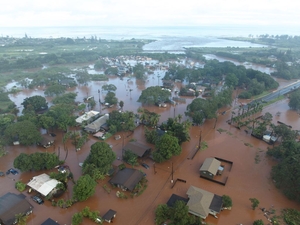
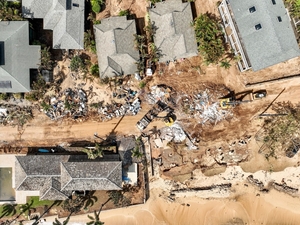
Hurricane Lowell passed about 90 miles from Līhuʻe late Sept. 7 and early Sept. 8, causing a pounding storm surge and knocking out power to an estimated 90% of Kauaʻi. Hurricane Lala passed about 30 miles from the southern tip of the Big Island on Aug. 15, generating high winds and triggering flooding that wiped out roads and utilities. The back-to-back storms are being blamed for at least four deaths across the state.
In their letter to President Trump, the congressional delegation also cited flood damage from the Kona low storms in March, saying "the cumulative impact of these events exceeds the capacity of the state and our counties, warranting federal assistance.”
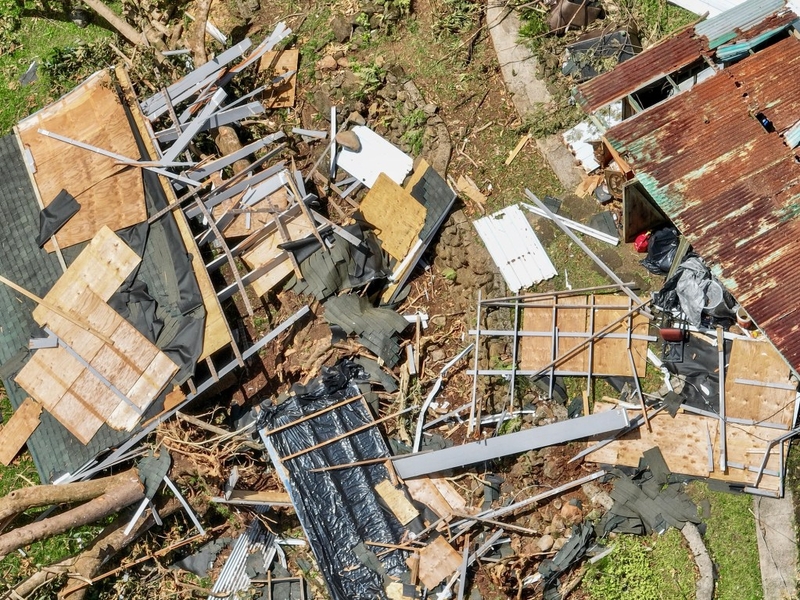
The letter urged the president to quickly approve Green’s expedited request dated Sept. 9 for a major disaster declaration for the state and the counties of Kaua‘i and Maui for damage done by Hurricane Lowell. That would unlock Federal Emergency Management Agency funding for public assistance to the counties along with individual assistance and small business support.
The delegation also asked Trump to approve the governor's Sept. 9 request for a similar declaration for the state, Honolulu, Maui and Hawaiʻi County in connection with damage done by Hurricane Lala and Tropical Storm Moke. Moke caused heavy rains on the Big Island as it passed by late Aug. 23 and early Aug. 24.
The declarations would also make Hawaiʻi eligible for FEMA's Hazard Mitigation Grant Program statewide, according to the letter. That program provides funding to help prevent or limit the impact from future disasters.
Obtaining FEMA Money Can Take Years
State and local governments generally must pay much or all of the up-front recovery cost from storms or other disasters, and then seek reimbursement from FEMA. The process of recouping money from FEMA can take years in some cases, so it is too soon to tell what impact this year's punishing series of storms may have on state and county budgets.
Arryl Kaneshiro, chair of the Kauaʻi County Council Finance and Economic Development Committee, said the county keeps a reserve fund with more than $60 million that can be used to help pay for disaster recovery and certain other costs, but it is unclear if that will be enough.
"It's definitely a hit to our financials," Kaneshiro said. "The reserve fund should cover some of it, but it's going to be a long road to recovery."
Compounding the costs for Kauaʻi is the fire that destroyed county offices at the Līhuʻe Civic Center on Rice Street on Sept. 9, Kaneshiro said. That office is critical to county operations, and includes the county motor vehicle and tax offices. The cause of the fire is still under investigation.
"We're going to see significant expenses that we didn't budget for," Kaneshiro said. He also predicted that, because of Hurricane Lowell, some tourists will avoid traveling to the island, further affecting revenues.
For Honolulu, the Kona low storms will cost the city about $100 million, including about $30 million for expenses such as debris cleanup, emergency services and employee overtime, according to Andrew Kawano, city director of Budget and Fiscal Services.
About $70 million of that cost is for damage to city infrastructure such as roads and bridges, including about $20 million that will be needed for repairs the Kailua wastewater treatment plant. Equipment at that plant suffered significant damage when it was overwhelmed by rushing storm water, Kawano said, but it is still operating.
The city will have to cover those costs initially, and then seek 75% reimbursement from FEMA, said Randal Collins, director of the city Department of Emergency Management. Kawano said he doesn't know yet what the cost might be to the city from Hurricanes Lala or Lowell, but said the Kona lows were more damaging to Oʻahu than the hurricanes.
At the state level, House Speaker Nadine Nakamura said lawmakers appropriated $100 million into the Major Disaster Fund this year in preparation for what they anticipated would be a busy storm season, "and that is helping but it may not be enough." She said Green can tap that money immediately to help finance the disaster response.
"We have some room within the budget and the departments can front some of these costs, and we can reimburse them," she said. "When we go into session we will probably have emergency appropriation requests" to cover the near term costs of hurricane recovery before FEMA reimbursements arrive, Nakamura said.
But again, it's too soon to tell what the impact the storms may have on the state budget, said Senate President Ron Kouchi. "Everybody's still assessing," he said.
"We are still working on what it costs to deal with the Kona lows and the communities that were devastated by the back-to-back storms of the Kona lows," he said, "and we are working to deal with the communities that have been affected by Hurricane Lala, and now we are adding to that list Lowell."
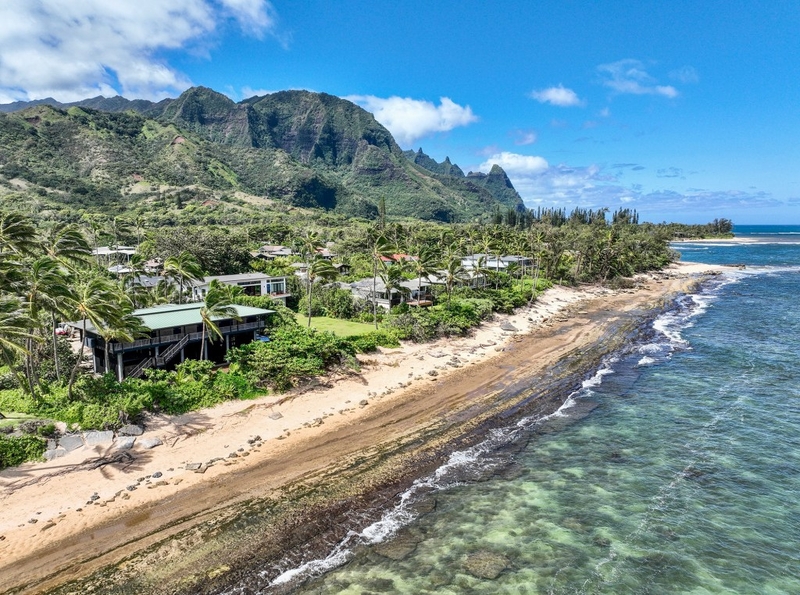
Lawmakers hope the governor has the resources he needs to act now without having call for a special session of the Legislature for additional appropriations, Kouchi said. If more money is needed, lawmakers can later authorize the governor to tap into the Emergency Budget and Reserve Fund -- also known as the state "rainy day fund" -- to help finance the recovery. That fund now has more than $1.5 billion.
Federal Highway Administration disaster funding may also be available for highway repairs, Kouchi said, which can be used to help with roadway repairs along several shores of Kauaʻi.
Property Owners Need To Report Damage
In the meantime, Nakamura said it is critically important that businesses and homeowners directly report damage to the Kauaʻi Emergency Management Agency, help the county to qualify for FEMA funding. And she said lawmakers next year will take a hard look at improving coordination among the state, county and federal government to mitigate storm damage.
"We need to find better ways to prevent the kind of flooding that we're seeing and do more stream maintenance and mitigation measures," she said.
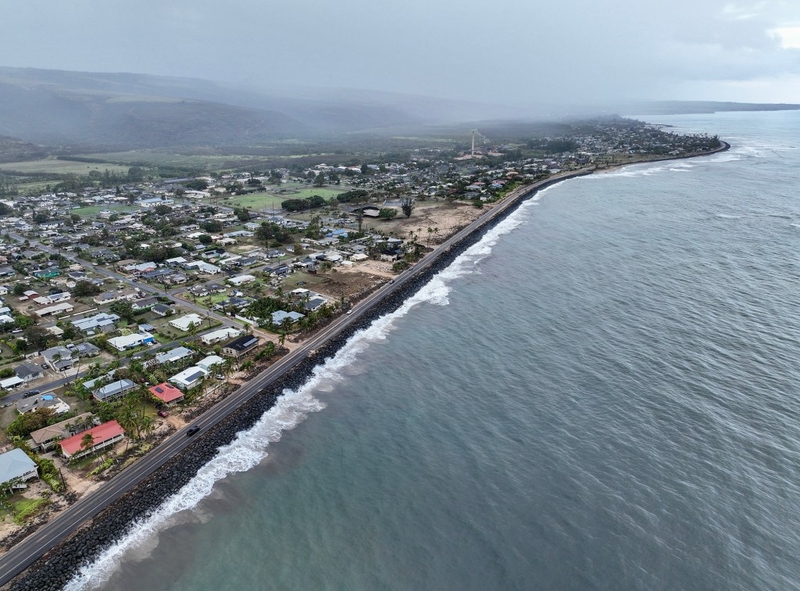
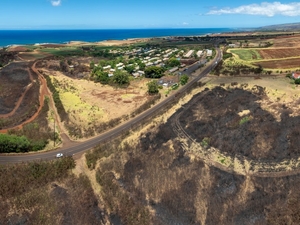
FEMA on Monday announced the release of public assistance funding of more than $1.1 million for the Maui Department of Water Supply to provide emergency wildfire protective measures, and another $1 million in Hazard Mitigation grant funding to assess critical transportation infrastructure vulnerabilities.
Separate from what state and local governments are confronting, homeowners and other private property owners face daunting expenses, along with their insurers.
Insured losses in Hawaiʻi from the Kona low storms of March are expected to reach at least $1 billion, according to Aon, a global services firm. Meanwhile, Hurricane Lala last month may have caused between $3 billion and $5 billion in total damage and economic loss across the state, according to AccuWeather.
And while the data from Lowell is still being tallied, initial estimates from Cotality – a property data firm – suggest that insured losses on Kauaʻi could approach $1 billion.
Honolulu, HI