SC legislators passed changes to income, property taxes. Senators say they aren’t done.
Sep 14, 2026 | 5:30 am ET

Description
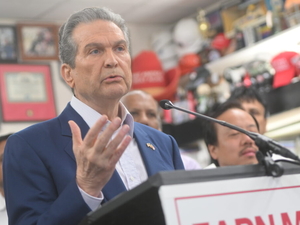
Sen. Sean Bennett, a Dorchester Republican, is chairman of a tax reform subcommittee that met for the first time Thursday, Sept. 10, 2026, at the Statehouse in Columbia, S.C. (Screenshot of SCETV legislative livestream)
COLUMBIA — After making changes to the state’s income tax structure and property tax relief for older homeowners this year, senators want to do more.
A panel of senators met for the first time this week to start reconsidering major changes to the state’s tax code. The seven-member committee took no action Thursday. Coming up with a proposal could take several years, said Chairman Sean Bennett.
Legislators have long called the state’s tax system broken. Bennett, who is also a financial planner, pointed to a multitude of tax credits and other carveouts as a symptom, calling it evidence of tax policy assembled piecemeal over the years instead of in a more effective, holistic way.
“I think the reality is, if we were going to start from scratch and write a tax code for the state of South Carolina, my guess is we would not write what we currently have,” the Dorchester Republican said Thursday.
Legislators have periodically formed committees dedicated to taxes over the years, but those efforts have resulted in few major changes.
“We talk and talk and talk, but we don’t do and do and do,” Senate Minority Leader Brad Hutto said of past efforts, adding he hopes this push is different.
Legislators seem to have an appetite for more sweeping changes, Bennett said. Among conversations about laws changing income and property taxes, legislators in both chambers suggested taking a broader look at the state’s tax system.
Two major adjustments did pass. A law altered the state’s income tax, in a move that decreased taxes for about 43% of filers. And the state budget expanded a property tax break for homeowners 65 and older.
Recent budget surpluses could help spur the conversation along, giving legislators more leeway to overhaul the tax system without worrying about thin margins, Bennett said. He added that he’ll keep House leaders in the loop on any proposals the senators make, in the hopes of smoothing the way for any bills to pass both chambers.
“At the end of the day, it comes down to political will, because some of those decisions, in my estimation, are going to be difficult decisions to make,” Bennett told reporters last month.
When legislators touch one piece of tax law, that affects everything else, Bennett said. He compared the changes to squeezing a balloon: flattening one part doesn’t get rid of the air but simply shifts it somewhere else.
If legislators want to make real change, they have to look at the system as a whole, he said.
Put another way, “there is no such thing as free lunch,” Frank Rainwater, head of the state Revenue and Fiscal Affairs Office, told senators.
One glaring part of the tax code legislators should reconsider, Bennett said, is Act 388, a 2006 tax law Bennett called “one of the worst pieces of legislation passed by the General Assembly.”
The law increased the state sales tax by a penny on the dollar to reduce homeowners’ property taxes, creating a host of unintended consequences for real estate, business property taxes, and school district budgets.
That means homeowners don’t pay for the schools near their homes, where they can elect school board members. Instead, business owners and those who own second homes pay the operating costs.
“That’s somewhat of a disconnect to them,” Rainwater said.
The so-called tax swap didn’t pay for itself for years, requiring legislators to fund the difference with other state taxes. A surplus built up during the pandemic as people spent their federal stimulus checks and inflation drove up costs.
Changing the law, however, could cause property owners’ taxes to skyrocket, making legislators hesitant to simply repeal it.
Other changes senators consider might include reevaluating the state’s sales tax and property tax exemption for homeowners over the age of 65, Bennett said. Some legislators, including Bennett, previously suggested some form of tax relief to help young people buy first homes.
“There’s nothing off the table in these discussions,” Bennett said.
Specifics, however, remain up in the air. The committee is scheduled to meet again Oct. 7.
Columbia