No Water, And No End In Sight: A Big Island Condo Copes With Lala
Sep 08, 2026 | 6:01 am ET
Description
Photo courtesy of Honolulu Civil Beat
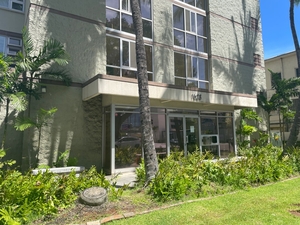
It has been more than three weeks since flooding from Hurricane Lala rampaged through the condominiums called Colony I at Sea Mountain in Kaʻū, wiping out the complex's water, sewer and electrical service. By now almost everyone else has left, but Steve Brewer is still there in his rented unit because he has few other choices.
Power has been restored, but the privately operated water and sewer systems that serve the complex were heavily damaged in the storm. Punalu'u Water and Sanitation, which operates the complex's water and sewer systems, informed unit owners after the storm that "potable water service is unlikely to be restored anytime soon."
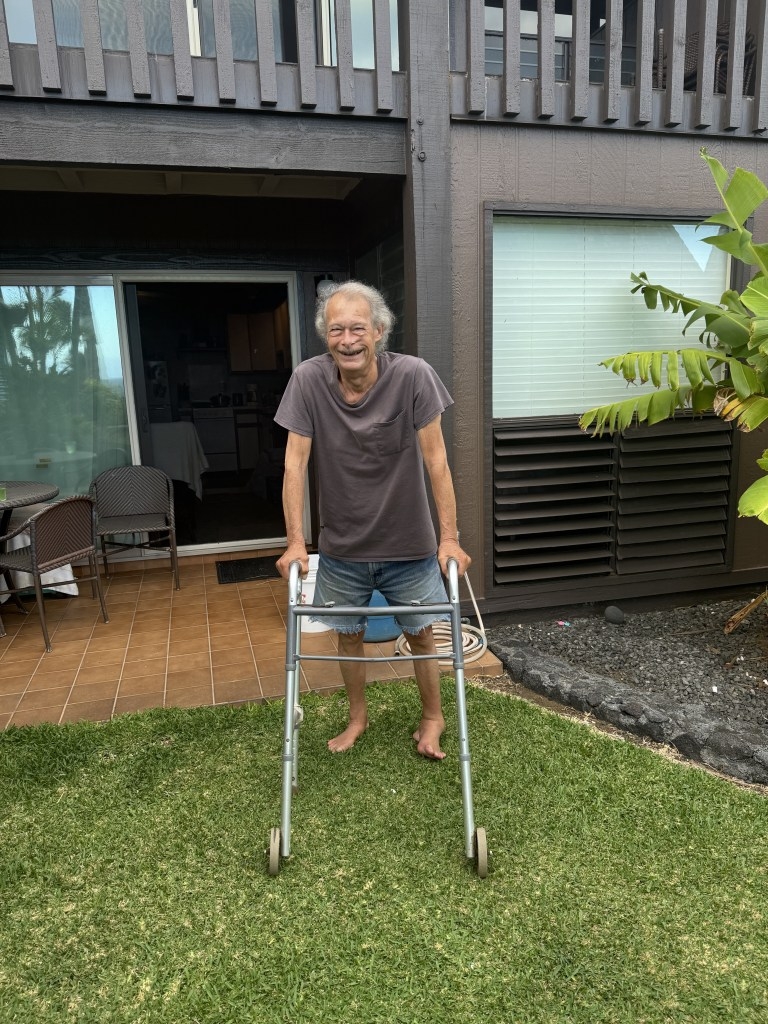
Brewer, 75, is a disabled U.S. Navy veteran from the Vietnam war era, and he nearly died during a recent surgery for a stomach condition. That ordeal was a drain on his finances. Brewer needs a walker to get around, which makes it difficult for him to reach the portable toilets placed on the property after the storm.
His friends and neighbors bring him cooked meals and bottled water to help him cope. "I can't afford to leave, and I'm a renter, and there's nowhere for me to go," Brewer said. "Where would I go? And what can I afford?"
Most of the units in the Colony I complex near Punaluʻu Black Sand Beach were used as vacation rentals, but they are almost all empty now. The owners are also stuck.
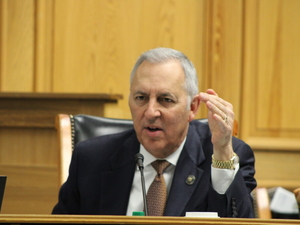
"The reality is, it's going to be a very long time before we have water," said Jeff Silva, president of the Colony I Association of Apartment Owners. Silva said his "seat of the pants" estimate is it may be six months to a year before water service is restored.
Colony I has 76 condominiums served by the demolished water system, and another 20 properties above Highway Belt Road in a development called Kalana Estates rely on the same water and sewage infrastructure.
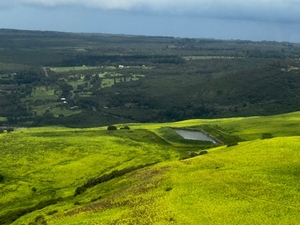
Silva said the complex also faces a dire wildfire risk because of dry brush around the complex, with no water source available.
"We have no way to fight fire," he said. "I mean, if there's a grass fire, we're done. We're done. The whole place is burning down."
The 'Elephant In The Room'
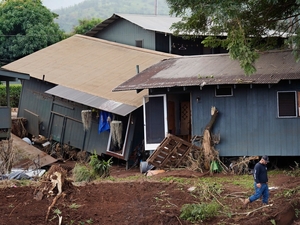
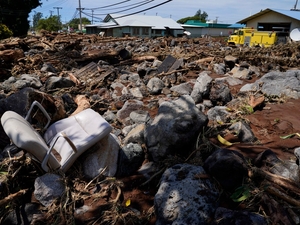
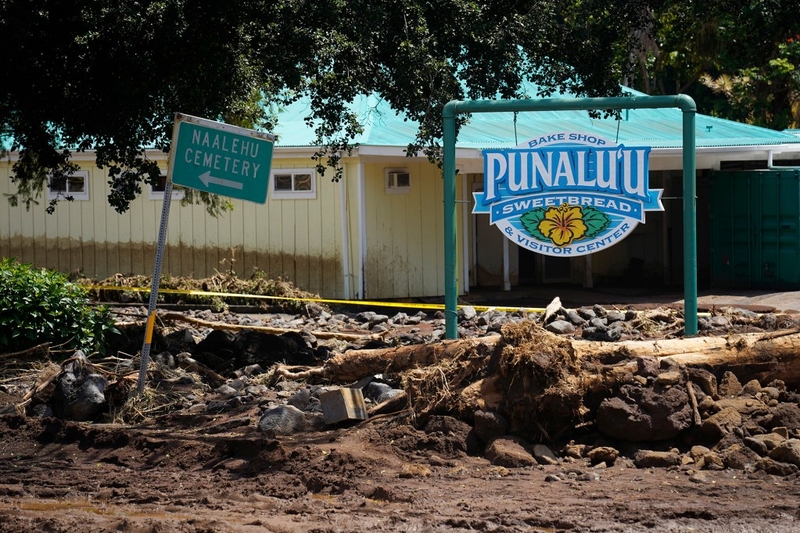
When Hurricane Lala brushed past the southern tip of the Big Island on Aug. 15, it unleashed a torrent of rain and rocky flooding that rampaged down the slopes above Pāhala, Nāʻālehu and Punaluʻu. Colony I and the Punaluʻu Water and Sanitation operation were in the way of that deluge.
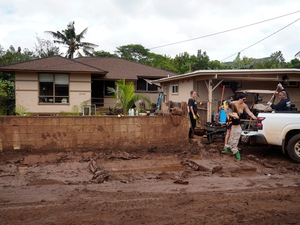
"I saw a raging river, 4 feet deep, running down the road, 50 feet wide, boulders, everything -- a mud flow running down through Colony I," Silva said. "It was insane."
It wasn't until later that Silva grasped the damage to the water system, which was installed in the 1960s. The well site was covered in 4 to 6 feet of rocks, mud and debris, The control system, transformers, chlorination system and pump motors were ruined.
Rod Jowkar, who represents Punalu'u Water and Sanitation in communications with the condo owners, announced on Aug. 26 that "the well site is a complete and total loss." Jowkar told the water customers that "in the worst case scenario, we would need to consider drilling a completely new well site."
The water and sewer systems are owned by Eva Liu, a major landowner who acquired 433 acres that surround Colony I complex seven years ago. She had plans for development in the area, but filings with the state Public Utilities Commission suggest both her development entity and the water system face financial stress.
Silva contends Punalu'u Water and Sanitation, as a utility operator, has an obligation to have a contingency plans in place to cope with emergencies. That does not appear to be the case, he said.
Jowkar said PWS actually did have an emergency plan in place, but "does that contingency plan have some sort of magic power?"
"The fact is, the contingency plan cannot do any magic," Jowkar said. "We need money, resources and manpower to make changes. We are doing that at the moment."
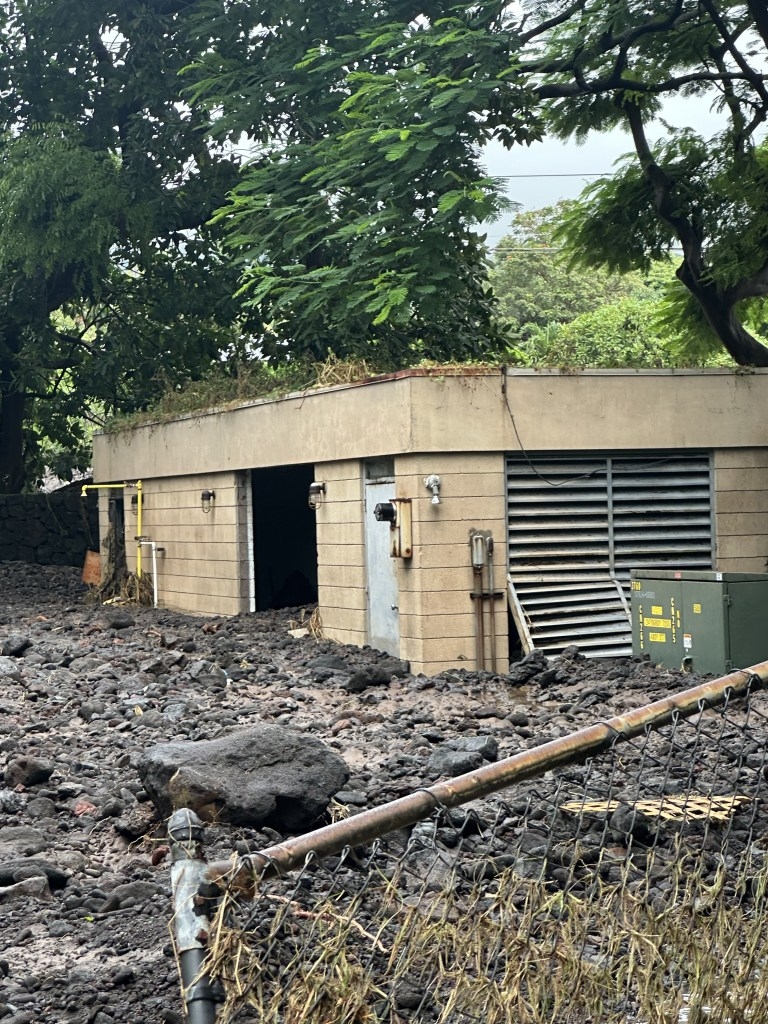
PWS has deployed personnel and equipment to begin clearing the sewer infrastructure and assessing the damage to the water and sewer systems, he said, but pointed to what he called "the big elephant in the room."
"The owner cannot do anything when there's no budget, and there's no money and obviously there's no income," Jowkar said. The system was built for considerably more users than it has today, he said, and "the 86 users cannot pay for this system, it's as simple as that."
It will take an assessment by an engineer to determine exactly how much it will cost to get the systems running again, Jowkar said, but "the extent of the damage is huge." He guessed it will cost millions to make the necessary repairs.
When asked if Liu as the owner will put up the money needed to restore the system, Jowkar replied: "I don't know. I cannot speak on her behalf." However, he said equipment that belongs to Liu is already being used to clear debris from the sewer system.
Liu recently became embroiled in a separate controversy involving 6.8 acres at Black Sand Beach Park. The county has been leasing that property for park use since at least 1954, but announced late last month negotiations for a new lease "ended without an agreement." The land is owned by Black Sand Beach, LLC, another of Liu's companies.
Shocked At The Damage
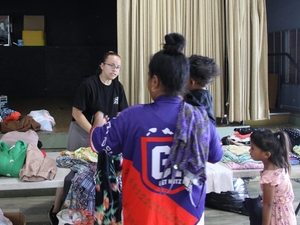
At the Colony complex, a handful of people are keeping watch by essentially camping in the units. Silva set up two 1,500-gallon water tanks, and residents are drawing buckets from those for bathing and washing dishes.
The condo owners have been arriving to inspect their properties, and "are very shocked by the level of damage," he said. Apart from the damage to the water system, about 30 of the condos were swamped by mud and water.
"There's going to be no income coming in," Silva said of the vacation rental owners. "So they're going to be in a world of hurt very quickly."
Silva said he has already approached a contractor about cutting a fire break around the complex "because there's no activity from her side, and we have no choice. We've got to protect ourselves."
"They have no idea how to respond to something like this, and that is not how utilities normally operate," Silva said of PWS. "Utilities think about this stuff. They have plans in advance. What happens if the tank ruptures and bursts? What happens if the well gets blown up?" He added: "That's what normal water systems do."
The Longterm Solution?
A team of state officials -- including personnel from the Department of Health, the Public Utilities Commission and the state consumer advocate's office -- visited the well site. But it is unclear what action the state will take, if any.
The health department issued a written statement Friday explaining that "while DOH is available as a resource to all public water systems across the state, the water purveyor remains responsible for providing service to its customers."
In a social media post, Big Island Mayor Kimo Alameda opined last week that Hawaiian Electric Co. "did everything they can to fix the electricity up to the Punaluʻu private system, but it's up to the private property owner to fix their own private water and wastewater situation."
Alameda said in an interview that while the county provides emergency water spigots for residents in the area, it has not made any agreement with PWS or Liu in connection with the water system. He said he plans to write to the Public Utilities Commission to ask that agency to take action.
The utilities commission oversees private water and wastewater utilities including PWS. A communications specialist for the PUC, Valerie Trujillo, stated that Commissioner Naomi Kuwaye and staff joined DOH in inspecting the site last month. In a written statement, she added the PUC cannot comment further "on potential future actions or commission deliberations."
Silva said representatives of Colony I hope to convince the PUC to put the water company into receivership and appoint a community nonprofit that would include Colony I, Kalana Estates and some other nearby landowners as the new operator of the water and sewer systems.
In the meantime, the elderly veteran Steve Brewer is relying upon friends to support him with food and supplies, and even now he insists he has been "living the dream" in Hawaiʻi.
"It really has brought people together, and it was kind of a character building," he said of Lala and the storm's aftermath. He added that it is "something that needs to happen once in a while" to build a sense of community. "You know, learning to talk to each other and get together and work together. That's just what makes us survive."

Honolulu, HI