Alaska begins rollout of Rural Health Transformation Program funding
Aug 11, 2026 | 9:45 am ET
Description
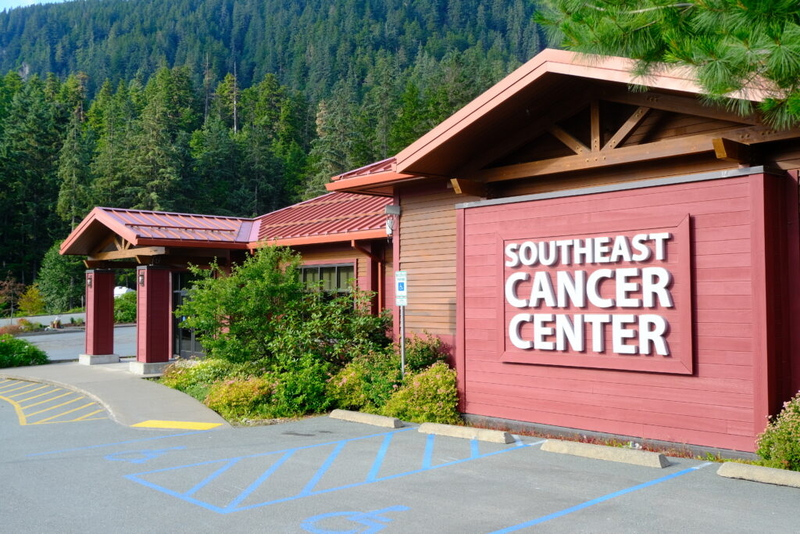
Cancer Connection, located within the Southeast Cancer Center in Juneau, is one of the first recipients of federal funding through the Rural Health Transformation Program. (Photo by Corinne Smith/Alaska Beacon)
The Alaska Department of Health announced the first group of projects to be awarded millions in federal funding from the Rural Health Transformation Program on Friday, ahead of an October deadline.
Officials announced the first $4.5 million of the state’s $272 million in funding will be awarded to 19 projects serving communities statewide, with additional funding to be announced each Friday as the review process is finalized.
Congress created the Rural Health Transformation Program last year as part of the Trump administration’s “One Big Beautiful Bill” to offset the fallout from the legislation’s nearly $1 trillion in Medicaid spending cuts over the next decade — particularly in rural communities.
Roughly one in three Alaskans is enrolled in Medicaid, and more than half of them live in a rural area, according to a 2025 analysis by KFF Health News. Coverage for children and the federal Medicaid matching rate will remain unchanged.
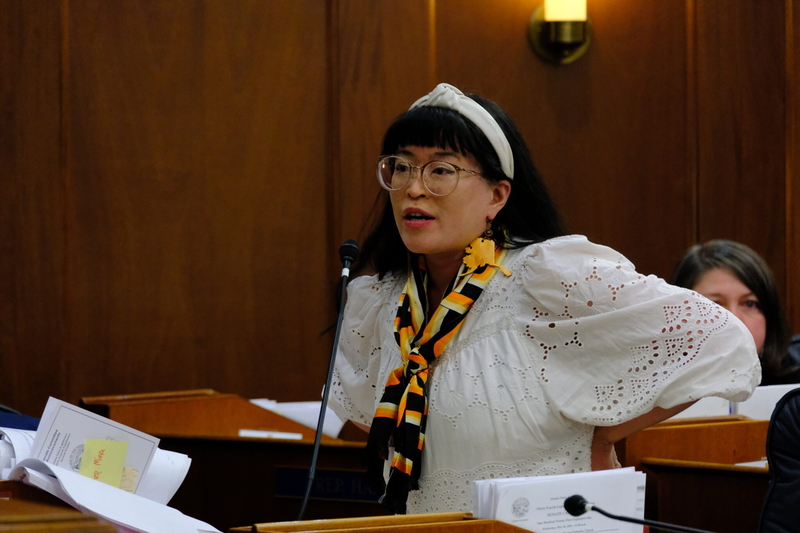
Rep. Genevieve Mina, D-Anchorage, is chair of the House Health and Social Services Committee, was enthusiastic about the announcement. She said Alaskans face the challenges of complying with new Medicaid requirements enacted by HR 1, the Trump administration’s “One Big Beautiful Bill,” which passed last year.
The law enacted new work and “community engagement” requirements for recipients of Medicaid and Supplemental Nutrition Assistance Program, or SNAP, benefits — with certain exemptions — to take effect in January 2027. Some Alaskans will be required to renew their Medicaid enrollment every six months, according to the department’s website.
“Alaska is unique compared to every other state where we’re not experiencing the direct loss in Medicaid dollars because we don’t have provider tax or community directed payments,” Mina said. “And so we’re not getting that direct hit from the loss of Medicaid dollars. It’s going to come from people losing Medicaid or losing access to SNAP because they can’t comply with these new requirements.”
Mina said there will be a difficult balance for new projects to address gaps in healthcare for Alaska, given the changes enacted by the Trump administration last year.
“You can’t use the dollars to make a new facility, and so it really is helping to support innovation in healthcare,” she said. “But it’s so tricky to do that when we all know that Alaska’s top needs right now are in people losing access to healthcare, people not being able to afford their healthcare, and it’s hard to fit dollars into that issue when those funds aren’t built for the purpose to address the harms of HR 1.”
States are awarded funding according to a complex formula, with $50 billion set to be allocated over the next five years nationwide. Alaska was awarded $272 million this year, one of the largest recipients in the country, with similar awards expected each year through 2030.
“These projects are designed to expand access to care, strengthen the health workforce, improve infrastructure, advance technology, and support innovative approaches that help rural and hub communities and regions meet their unique health care needs,” according to a health department statement with the announcement.
Alaska health officials received nearly 1,800 project proposals and narrowed down a list of more than 400 projects in June from healthcare entities including hospitals, clinics, Tribal health organizations and others. The state is required to allocate the funding before a federal deadline of October 30.
Heidi Hedberg, commissioner for the Department of Health, said in a statement with the announcement that the projects represent a long-term investment in Alaskans’ health.
“Throughout this process, we’ve heard directly from communities about the challenges they face and the solutions they believe will make the greatest difference. The selected projects reflect those local priorities while helping build a stronger, more sustainable health care system for future generations,” she said in her statement.
Final award announcements were expected in mid-July, but were delayed because applications needed additional project details, a spokesperson for the department told the Anchorage Daily News. Mirna Estrada, a public information officer for the department, also said the U.S. Centers for Medicare and Medicaid Services had continued issuing guidance during the review process, requiring the department to adjust its evaluation.
The first 19 awardees include projects focused on primary care, behavioral health, substance abuse treatment, cancer treatment, improved navigation and health records, diagnostic and prevention services, and others. Several recipient organizations were approved for more than one project.
Projects were selected based on specific federal and state criteria, and final awards remain subject to budget reviews and grant agreements, according to the announcement. The state will be required to submit an annual report on how the funds are spent to the federal government.
The first 19 projects awarded include:
- Alaska Behavioral Health was awarded $593,100 for a vocational program, Alaska Seeds of Change, that supports behavioral health through hydroponic farming in Anchorage.
- The Alaska Hospital & Healthcare Association was awarded $236,100 for workforce development for hospitals, nursing facilities and tribal health systems. They also received $249,200 to study and improve efficiencies at critical access hospitals in Petersburg, Cordova and Homer.
- The Alaska Impact Alliance was awarded $178,600 to expand the 907 Navigator app to help address gaps in health care services for residents statewide. They also received $176,400 for community navigator roles to improve health services on the Kenai Peninsula and in Ketchikan.
- The Alaska Primary Care Association was awarded $650,200 to improve Alaska’s Medicare program.
- The Camai Community Health Center was awarded $250,000 to create a regional specialty care hub to expand health care access for rural residents across the Bristol Bay region.
- Cancer Connection was awarded $109,500 to create a Southeast Alaska Cancer Support Network.
- Chugachmiut, a tribal health consortium, was awarded $627,200 to expand diagnostic imaging services across the Chugach region.
- Community Connections, a non-profit serving Alaskans with disabilities in communities in Ketchikan and Prince of Wales Island was awarded $74,300 to improve electronic health records.
- The Denali Borough was awarded $108,000 to hire a new rural health project coordinator.
- Turnagain Community Health was awarded $100,000 to support prevention services. It was also awarded $100,000 to expand health worker navigation for rural residents of Turnagain Arm communities.
- The Norton Sound Health Corporation was awarded $292,100 to establish a scheduling hub for coordinating services across 15 rural clinics in the region.
- Sunshine Community Health Center was awarded $222,400 to improve tracking of nurse care management in order to be reimbursed by Medicaid.
- Assets, Inc., a non-profit providing support for Alaskans with disabilities, was awarded $249,700 for a study on remote monitoring and expanding telehealth services for rural residents.
- Girdwood Health Clinic was awarded $100,000 to expand pharmacy services in the Turnagain Arm region.
- Medical Park Family Care was awarded $225,500 to expand prevention services and primary care through a new payment model for Anchorage residents age 60 and over.
- The Nenana Volunteer Fire and Emergency Services Department was awarded $50,000 to design and plan a new mobile crisis team to address behavioral health calls, which currently account for one third of calls for service in the region.
Mina said the state and recipient organizations will be working to show compliance with the federal requirements through the first year, which she noted is an involved bureaucratic process. “So I think the department and many partners have done a great job with the process, but it’s to a point where they can do only so much based on the guidance that they get from (Centers for Medicare and Medicaid Services),” she said.
And despite the challenges, Mina said she’s hopeful as the state continues to roll out award recipients in the coming weeks. She said the need to track and improve health outcomes is critical.
“We can’t miss the goal of transforming Alaska healthcare. I think the next stage that we really need to take a focus on is tracking our healthcare outcomes, making sure that we know what those metrics are, so that five years from now, when these dollars go away, we can point to the fact that healthcare outcomes did improve in certain areas, or in a region they did something new that we can replicate across the board,” she said.
“We need to make sure that we’re tracking how healthcare is being transformed. Otherwise, we’re just investing in a lot of really incredible projects without knowing how things have gotten better for Alaskans.”
Juneau