States begin banning ‘surveillance pricing’ that uses personal data to charge more
Aug 04, 2026 | 2:44 pm ET
Description
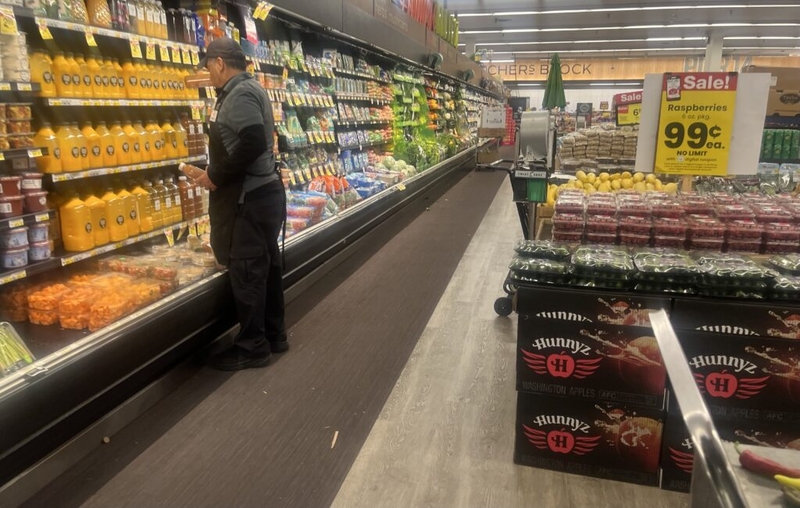
A few states have enacted laws to limit surveillance pricing, which uses a customer's personal data to set prices. (Photo by Robbie Sequeira/Stateline)
Three states this year became the first ones to enact laws restricting companies from using personal data such as browsing history or shopping habits to set individualized prices on goods and services, a practice known as surveillance pricing.
The laws in Connecticut, Maryland and New Jersey take different approaches to which retailers and products they cover, the discount exceptions they allow and how violations are enforced.
Lawmakers in at least 11 states considered similar bills this year, but often faced opposition from business groups that say some of the legislation is overly broad.
Your personal data might set your grocery prices. States aim to crack down.
Maryland’s new law, which was the first in the country and takes effect Oct. 1, applies to grocery stores of at least 15,000 square feet and third-party food delivery services. Under the law, these businesses are prohibited from using personal data to set a price for a specific shopper for most groceries. It does, however, allow loyalty programs, subscription prices and differences based on supply, location or operating costs. Businesses also have 45 days to correct a violation before the state can bring an enforcement action.
New Jersey’s new law, signed by Democratic Gov. Mikie Sherrill in July, prohibits retailers from using personal data to set individualized prices for groceries and placed a one-year moratorium on the installation of new electronic shelf labels while the state studies their effects. Retailers with these shelf labels already installed can continue to use them and maintain them.
“New Jersey families are already feeling the pressure of higher costs,” Sherrill said in a statement. “The last thing they need is companies secretly using their personal data to charge them more than someone else for the exact same product.”
Connecticut’s law, signed by Democratic Gov. Ned Lamont in June, broadly prohibits retailers and third-party delivery services from using surveillance pricing. It includes exceptions for discounts and certain price differences unrelated to a shopper’s personal data.
Consumer advocates say surveillance pricing is difficult to detect because shoppers generally cannot see what another customer is being charged. Retail and technology groups have argued that overly broad restrictions could interfere with discounts and rewards programs and be expensive for businesses to comply.
Stateline reporter Robbie Sequeira can be reached at [email protected].