Kratom alkaloids found in cat’s claw tablets linked to multiple overdoses, Utah agencies warn
Jul 31, 2026 | 7:03 am ET
Description
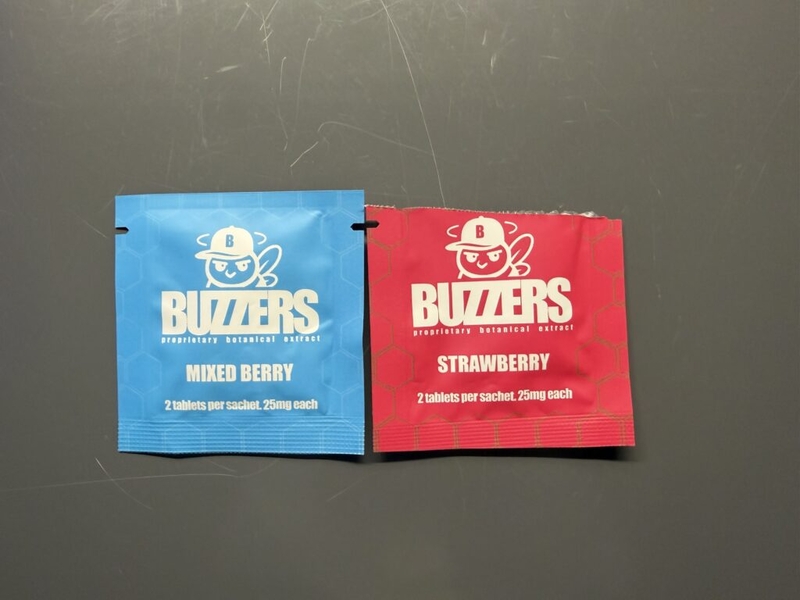
Buzzers Cat's Claw tablet packets. (Photo courtesy of Utah Department of Agriculture and Food)
A product labeled as cat’s claw is being removed from Utah shelves as Utah officials investigate a recent death and several severe health incidents that may be linked to it.
According to the Utah Department of Agriculture and Food and the Utah Poison Control Center, multiple flavors of Buzzers’ cat’s claw tablets were found to contain kratom alkaloids, a recently mostly-banned substance in the state. Additional details were not provided about the fatal overdose.
The agencies said in a new release they “warn all members of the public not to buy or consume Buzzers Cat’s Claw tablets and to safely destroy any existing product. Retailers should immediately remove products and contact UDAF’s Specialized Products Division.”
Cat’s claw, a woody vine, is considered to be a safe supplement promoted to treat joint pain and other conditions, so the Poison Control Center wouldn’t expect it to have opioid-like effects, said Amberly Johnson, director of the center. However, within the past several weeks, many calls made to the center have been related to cat’s claw tablets.
“Within 2026, we received around 40 calls related to kratom or kratom derivative products,” Johnson said, mentioning alkaloids like 7-OH, which occur naturally in kratom products but are often enhanced in labs. “Just within the past several weeks, we’ve seen an increase in about 19% of those cases have been related to these cat’s claw products that we suspected had a synthetic kratom derivative in them.”
The state’s Department of Agriculture and Food confirmed those suspicions when officers tested the Buzzers products identified in overdose cases in recent weeks and found they contained mitragynine pseudoindoxyl and MGM-15, two opioid-acting compounds derived from the kratom plant, the agency said.
The compounds, Johnson said, can be more potent than morphine, and can have withdrawal effects among users.
“We’d expect to see profound sedation or drowsiness, sleepiness, leading to, like, coma. And then also to effects on breathing, so really slow, shallow breathing, even to the point of someone not breathing,” Johnson said.
Johnson recommends administering naloxone in suspected overdoses from these products, and calling 911 to ask for medical help. Those with concerns about the substance’s adverse effects can also call the Poison Control Center at 1-800-222-1222 anytime for free, expert advice.
Salt Lake City, UT