Alabama elections now subject to audit, but bill sponsor wants some changes
Apr 21, 2026 | 7:59 am ET
Description
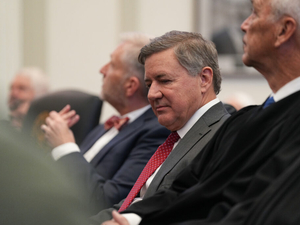
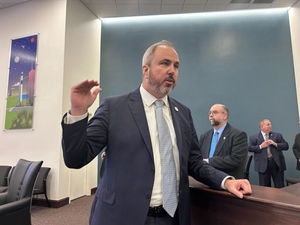
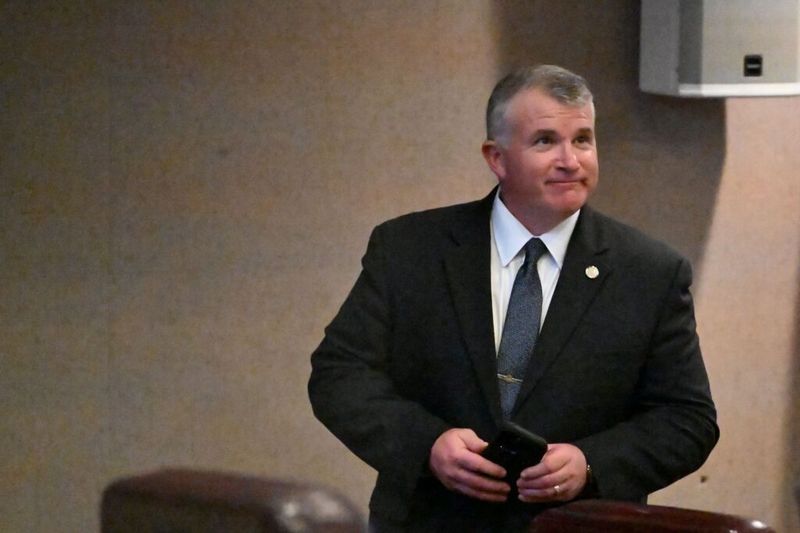
Rep. Joe Lovvorn, R-Auburn, stands on the floor of the Alabama House of Representatives on March 3, 2026 at the Alabama Statehouse in Montgomery, Alabama. Lovvorn, who sponsored a post-election audit law, said Monday he would like to make some changes after a last-minute executive amendment was added to the legislation. (Brian Lyman/Alabama Reflector)
The sponsor of a new law requiring audits of general elections in Alabama said Monday he wants to make some changes in the future.
HB 95, sponsored by Rep. Joe Lovvorn, R-Auburn, requires probate judges to conduct a post-election audit of every ballot in one precinct after every county and statewide general election.
An executive amendment from Gov. Kay Ivey added to the legislation in the final days of the 2026 legislative session removed a requirement that the audited precinct be randomly selected. Lovvorn said in a phone interview Monday was the same amendment that was adopted in a Senate committee in February, but later tabled on the Senate floor in late March.
“There were some senators that had some concerns brought to them from probate judges in their districts that wanted a little bit of discretion, especially in this first year, to try to work through,” Lovvorn said. “The entire goal was to try to give people one more step of feeling secure and accurate when it comes to our voting machines.”
Lovvorn said that he would like the precinct to be randomly selected and would like to revisit the legislation in the future.
“This is a foot in the door for post-election audits,” Lovvorn said. “I’d like to go back to random just so the voters know that this is not being handpicked for any specific precinct. I think random would be better for everyone.”
The audit will check one precinct of at least one county or statewide race. The audit checks the accuracy of the machines that read paper ballots that Alabama voters submit on Election Day, Lovvorn said when the House passed the law on Jan. 15.
Widespread election fraud is extremely rare in Alabama. According to the Heritage Foundation, a conservative think tank, there have been 41 convictions for or findings of voting fraud in the state since 2000. By comparison, over 2.2 million votes were cast in the 2024 presidential election in Alabama.
Lovvorn said Monday that the law is not about election fraud, but about ensuring the state’s elections are operating as they should. He said that in a pilot program conducted in 2022, there was one discrepancy between ballots cast and ballots counted by machines.
“I hope we don’t find any problems, but if we do find discrepancies or areas that we need to shore up and improve in our elections process and election equipment, then that’s the reason we’re doing it,” Lovvorn said.
According to the Legislative Services Agency, the audit will cost the state $35,000 per county for each day the audit takes to complete. The audit must be completed within 30 days of its conception, which begins no earlier than 31 days following election day or the deadline to file an election contest.
If all 67 counties completed the audit in one day, the state would be responsible for reimbursing probate judges $2.3 million.
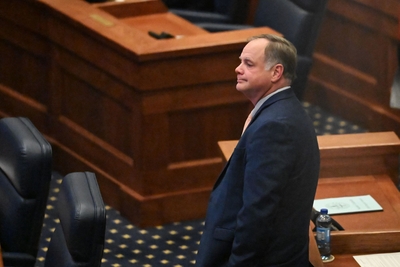
Sen. Sam Givhan, R-Huntsville, who was the sole Republican to vote against the bill in a Senate Finance and Taxation General Fund committee meeting in February, said in a phone interview Monday that the money was not worth the potential findings.
“I don’t think it’s effective. This doesn’t test voter fraud, it tests the machines,” Givhan said. “If it went further than that, I might be interested in it.”
A message seeking comment from Sen. Jay Hovey, R-Auburn, who carried the legislation in the Senate, was left Monday.
Ivey signed the legislation into law last week.
“With this law, we are strengthening that foundation even further by adding another layer of transparency,” Ivey said in a statement. “Folks can rest easy knowing there is no funny business when it comes to their vote being cast in an Alabama election.”
The law went into effect immediately. The first general elections to fall under the law will be local elections in Auburn, Bessemer, Gadsden, Huntsville, Mountain Brook and Scottsboro in August, according to the Secretary of State’s website.
Montgomery