Leveling the playing field for U.S. fishermen
Feb 03, 2026 | 8:40 pm ET
Description
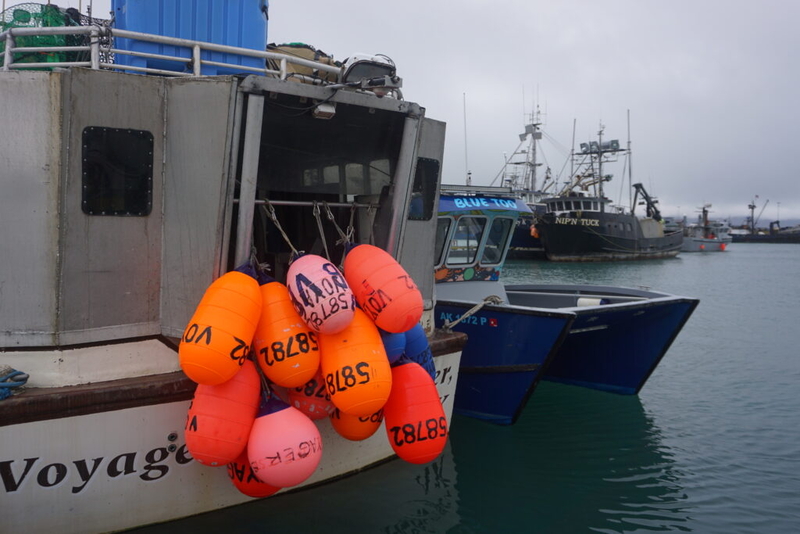
Fishing boats in Homer, Oct. 23, 2025 (Photo by Yereth Rosen/Alaska Beacon)
As a longtime salmon, halibut and sablefish fisherman, I begin this year with some hope and gratitude. With admirable bipartisan effort, Congress and federal agencies have taken important steps to make seafood more sustainable and to ensure the hardworking men and women who harvest it can earn a fair living. Here is why I appreciate this progress:
About one third of the global seafood catch involves unfair, illegal fishing practices, known as “Illegal, Unreported and Unregulated” fishing. While there are certainly improvements we can make to domestic fisheries, this is primarily an international problem. Unfortunately, this IUU seafood reaches our shores and markets because up to 90% of the seafood the U.S. consumes is imported. This has become a significant economic and national security issue. When foreign fishing operations flout international law and sustainable practices, they can afford to criminally undercut market prices of American fishermen who dutifully abide by stringent, and sometimes costly, conservation regulations. This unfair competition puts our local fishing communities, from the shrimpers of the Gulf to the Alaska salmon fleet, at a disadvantage.
In a given year, more than 2 billion dollars worth of seafood we import comes from IUU fishing, accounting for over 13% of imports caught at sea. These imports can involve a range of species, including certain types of crab, shrimp, tuna and squid from countries such as China, Russia, Mexico, Vietnam and Indonesia.
Fortunately, Congress has recognized the need to keep harmful seafood products out of the domestic market and level the playing field for U.S. fishermen by cracking down on vessels that violate international regulations. In October, a strong bipartisan coalition in the U.S. Senate passed the Fighting Foreign Illegal Seafood Harvest Act, now under consideration in the House. I am eager to see this, and other proposals from House champions on this issue advance in 2026.
In a complimentary move, on Jan. 1, the National Oceanographic and Atmospheric Administration implemented new controls on the import of seafood to ensure that nations exporting fish to the U.S. adhere to the high standards our country observes to minimize incidental bycatch of marine mammals. It’s estimated that more than 650,000 whales, dolphins and other iconic species die each year from bycatch. After nearly a decade of notice and a phase-in grace period, NOAA’s import controls under the Marine Mammal Protection Act essentially ban imports of certain seafood from 46 countries that do not meet the standards. This overdue action helps ensure that American imports do not inadvertently reward harmful fishing processes in far-off waters.
To prevent entry of illegal seafood imports into the U.S. market, NOAA Fisheries must also strengthen its efforts under the Seafood Import Monitoring Program to trace products from the point of harvest and proactively investigate risky shipments.
Illegal fishing and its corrosive effects on legitimate and lawful seafood here at home is a complex global problem. To solve it, we need a robust NOAA along with strong interagency partnerships. As a commercial fisherman, I sincerely ask our policymakers and Congressional representatives to recognize that cuts to NOAA Fisheries are not simply line-item reductions. They are direct threats to our fisheries, consumers’ trust, the livelihoods of America’s hard-working fishing businesses and the integrity of our ocean resources.
I look forward to seeing more meaningful progress this year to ensure that the seafood we enjoy is healthy and sustainably sourced and to protect our fishing families, your dinner plate and our oceans.
Juneau