Maternal and infant health in Oklahoma trailing national outcomes, report shows
Nov 24, 2025 | 2:14 pm ET

Description
A pregnant patient receives an ultrasound. (Getty Images) (This image cannot be republished without a Getty subscription.)
OKLAHOMA CITY — A maternal and infant health advocacy group ranked Oklahoma low in several categories on an annual state scorecard that measures access and outcomes for perinatal health care.
March of Dimes, a nonprofit focused on research and advocacy for maternal and infant health, ranked Oklahoma as 46th in infant mortality, with 341 babies dying before their first birthday in 2023.
This rate is 1.7 times higher in Oklahoma for babies born to Black mothers.
Leading causes of infant deaths include birth defects, low birth and preterm birth weights, sudden unexpected infant death and accidents, according to the report.
The state ranks 31st for maternal mortality, with more than 27 births per 1,000 resulting in the death of the mother within six weeks of the pregnancy ending due to complications related to the pregnancy or childbirth.
Oklahoma is one of 12 states with no change from last year in preterm births, but still ranks 37th in the U.S. in this category. The state’s preterm birth rate was stagnant at 11%.
Oklahoma is one of 16 states to receive a “D”. Eight states and Puerto Rico received an “F.”
The United States overall received a “D+” grade, according to the national report card.
Oklahoma City, with an 11.2% rate of preterm births, was given a “D-” and Tulsa had an “F” with an 11.9% rate.
Over 14% of births received inadequate prenatal care, meaning mothers began seeking prenatal care at their fifth month of pregnancy or had less than half of the appropriate number of health care visits.
Nearly 50% of births in Oklahoma, about 23,700 in 2024, were covered by SoonerCare, the state’s Medicaid program.
The report found that Oklahoma is currently implementing most of the “supportive maternal and infant health initiatives” recommended by March of Dimes to improve outcomes.
The adopted policies include expansion of Medicaid and Medicare, reimbursing doula care with Medicaid and using a state level maternal mortality review committee.
Requiring employers to offer paid family leave and requiring providers to screen Medicaid-insured patients for postpartum depression are policies the group recommends that Oklahoma has not adopted.
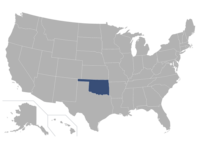
Oklahoma City, OK