Why strong nonprofit boards matter now more than ever
Oct 26, 2025 | 5:30 am ET

Description
(Getty Images)
At a time when the world feels increasingly uncertain, one thing is painfully clear: America’s nonprofit sector is in crisis.
From frontline service providers to statewide advocacy groups, many organizations that anchor our communities are now fighting to survive. And while headlines often focus on executive leadership, we should be equally attentive to the role of governing boards.
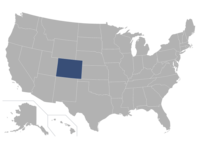
2025 is a historically challenging year for nonprofits, and the road ahead looks far from easy. A combination of federal funding cuts, rising costs fueled by tariffs, and continued attacks on diversity and inclusion initiatives have created a perfect storm of instability. Here in Colorado, where nonprofits generate more than $62 billion in revenue, employ 182,000 Coloradans, and support 80,000 contractors, the stakes couldn’t be higher.
The numbers tell a sobering story.
According to the Nonprofit Finance Fund, 52% of nonprofits have three months or less of cash on hand, and 36% ended 2024 operating at a deficit — the highest rate in a decade. Candid data warns that more than 14,000 organizations could run out of cash within months if funding continues to dry up, threatening millions of jobs and countless services.
In moments like these, attention often turns to the executive director or CEO. Exceptional leaders can unite teams, weather uncertainty, and even help their organizations thrive under pressure. But sustaining mission-driven work in a turbulent environment requires more than strong executives — it demands exceptional boards.
Too often, the nonprofit sector overlooks how critical strong boards are to long-term success. Board performance varies widely, and two issues tend to drive that variation:
-
Recruiting and retaining directors with the right mix of skills, lived experience, and resources
-
Building governance systems that actually harness those strengths to set direction, oversee performance, and ensure accountability
Finding board members who bring that balance can feel like hunting for unicorns. Many boards overemphasize one area — like fundraising — while neglecting community representation or relevant expertise. On top of that, nonprofits must fill unpaid roles, often expecting personal contributions, while operating on limited budgets and minimal staff support. It’s no surprise that even high-functioning organizations struggle to assemble “best-in-class” boards.
And even when nonprofits recruit talented directors, ideal composition doesn’t always translate to effective governance. As governance expert Dr. John Carver once observed, “Nonprofit boards are often groups of highly competent and responsible people who, as a group, are neither competent nor responsible.”
That paradox points to a deeper need: building systems that promote group competence. Boards need clear standards for performance, transparent accountability to the communities they serve, and structures that empower — not micromanage — staff.
The takeaway is simple but urgent: Nonprofits must approach board recruitment and engagement with far greater intentionality. With the right mix of skills, representation and training, boards can transform from passive fiduciaries into strategic partners helping organizations navigate this moment of volatility.
There’s also good news. Adversity breeds opportunity, and Colorado is filled with talented, civic-minded professionals who want to make a difference. Serving on a nonprofit board offers a chance to address real-world challenges — from housing affordability to early childhood education to climate resilience — while developing leadership skills and broadening one’s perspective.
For nonprofits, this is the moment to take a hard look at how their boards operate. Revisiting officer and committee roles, clarifying expectations, and strengthening the board’s role as both a strategic visionary and a hands-on partner can turn governance into a true engine of resilience.
Colorado has always prided itself on community — neighbors stepping up for one another, across divides and across the mountains. As the nonprofit sector faces one of its most challenging chapters in decades, that spirit of service and collaboration must extend to the boardroom.
The way forward may not be easy, but it is clear: We need more Coloradans to step into governance, strategy and stewardship — and we need to equip them to lead effectively together. Nonprofits that do will be the ones that not only survive the current turbulence, but emerge stronger, more inclusive, and better prepared to serve the people who count on them most.
Bill Charney and Tom Keyse of Charney|Keyse and Kwame Spearman and Marty Zimmerman of ZIM Consulting work with nonprofits across Colorado to strengthen governance, leadershi and community impact.
Denver, CO