Whitmer approves ban on non-consensual deep fake pornography
Aug 27, 2025 | 6:00 am ET
Description
Getty Images
After receiving broad bipartisan support in the Republican-led House and Democratic-led Senate, a set of bills cracking down on the non-consensual production of AI generated pornography are now state law.
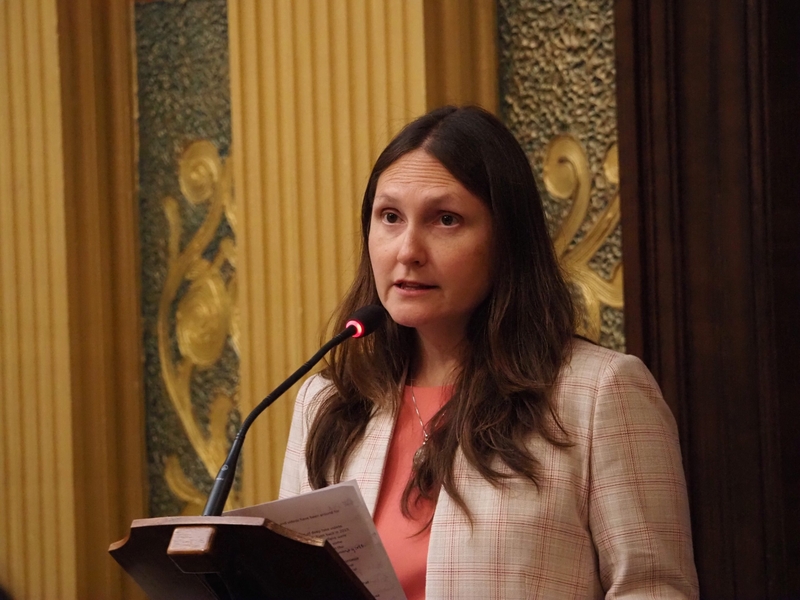
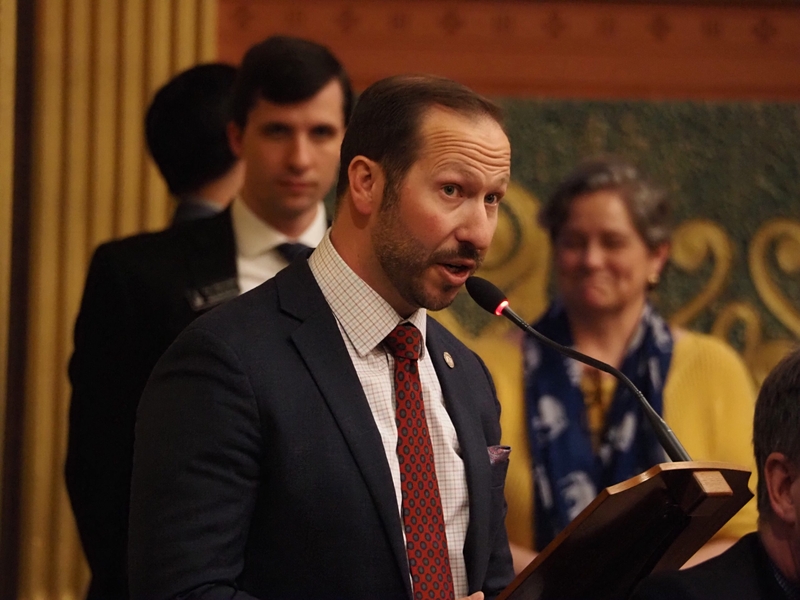
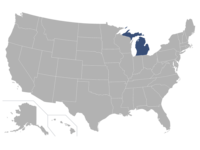
On Tuesday, Michigan Gov. Gretchen Whitmer put her pen to House Bills 4047 and 4048, sponsored by state Reps. Matthew Bierlien (R-Vassar) and Penelope Tsernoglou (D-East Lansing).
Aimed at preventing sexual harassment and exploitation, the laws allow an individual depicted in a sexual or intimate context within a deepfake image or video to take civil action for its creation and distribution. They can file the case confidentially.
Courts can also issue a restraining order or permanent injunction to prevent further harm to the person filing the suit. The court can also impose a maximum civil fine of $1,000 daily for violating the order.
Additionally, the laws set penalties for the creation and distribution of a harmful intimate deepfake, with first time offenders facing a misdemeanor punishable by up to a year in prison and/or a maximum fine of $3,000. Repeat offenders will face a felony, punishable by three years in prison and/or a fine of $5,000.
Internet service providers, telecommunications networks and educational or library systems that provide access to content created by another person are not held liable under the law, nor are the providers and developers of the technology used to create an intimate deepfake.
“As a county prosecutor, I went after people who used their power to prey on others,” Whitmer said. “Now, as governor, I’m proud to sign these bipartisan bills into law, so we can protect Michiganders from this rising form of sexual exploitation. I’ll keep working with anyone to protect Michiganders from blackmail or retribution, because no one should have to live in fear.”
Bierlein said the laws will protect the dignity and privacy of Michigan citizens and provide victims with the tools needed to seek justice.
“Technology should be used to improve lives, not to exploit them – and today we’ve taken an important step to ensure that,” Bierlein said in a statement.
Tsernoglou said the bills mark the beginning of a long bumpy road the state faces in regulating artificial intelligence.
“My hope is that these bills will serve as another example that progress is possible when it comes to regulating AI,” she said.
Lansing, MI