Nebraska, 22 other states oppose proposed federal rule on stoves, cooktops, ovens
Jun 03, 2024 | 5:05 pm ET
Description
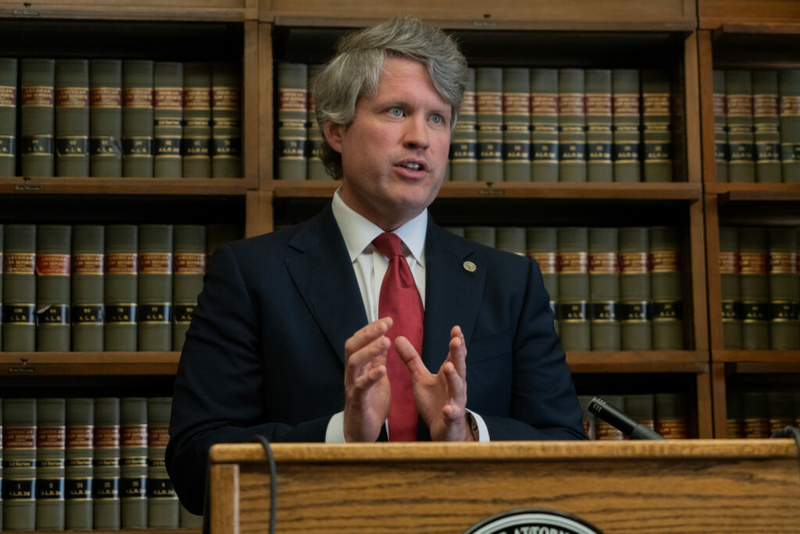
Attorney General Mike Hilgers speaks during a news conference in Lincoln. (Zach Wendling/Nebraska Examiner)
LINCOLN — Nebraska Attorney General Mike Hilgers and 22 of his counterparts from conservative states filed a comment Monday with the U.S. Department of Energy, hinting at possible legal action if the regulator follows through with new energy-efficiency standards on stoves, cooktops and ovens.
Hilgers is the latest Republican to question Biden administration efforts to reduce indoor-air emissions and power consumption of indoor cooking. U.S. Rep. Mike Flood, R-Neb., and others made videos when a previous version of the rule appeared to target natural gas stove emissions.
The original 2023 rule was resubmitted in 2024 with less restrictive revisions. The first proposal would have forced changes to more than nine in 10 gas stoves sold. The new proposal would let all but 3% of gas stoves sold stay on the market. But American appliance manufacturers object to the new rule, too.
Cost vs. health
Whirlpool and other manufacturers, along with Hilgers and the other attorneys general, argue the proposed rule change still would make new stoves and cooktops more expensive over time, by requiring the newer versions to be more energy efficient, regardless of the cost or consumer preference for the changes.
The Energy Department points to research indicating that emissions from gas stoves can contribute to respiratory issues, including asthma, and emphasizes potential for savings from utility costs. President Joe Biden has also prioritized reducing greenhouse gas emissions to combat climate change.
“The Biden administration continues its stringent regulations on household appliances,” Hilgers said. “Raising the cost of kitchen appliances could impact hardworking Nebraskans already facing economic challenges. It is as out of touch as it is legally dubious.”
Much of the potential legal challenge could hinge on a section of federal law that requires the Energy Department to consider the economic impact of any new rule. The attorneys general filed their letter this week as part of the formal rulemaking comment process, legal experts said.
Process questions
A core argument they made is that the feds should not be circumventing the typical commenting process for proposed rules. They argue the public should have more of a chance to weigh in on a potential rule change that affects appliances common in American homes.
“The Department of Energy should follow the normal procedures and allow consumers to voice their concerns before imposing its stringent new rules on stoves and ovens,” Hilgers said.
The Natural Resources Defense Council and other environmental advocates have argued the potential health benefits of making cooking cleaner and less energy-dependent. They also pointed to potential cancer risks from gas emissions. They did not oppose or object to the streamlined rule-making.
The 23 that signed are either led by Republicans or have an elected GOP attorney general: Iowa, Missouri, Kansas, South Dakota, Arkansas, Oklahoma, Texas, Louisiana, Mississippi, Alabama, Tennessee, Kentucky, Indiana, Ohio, Georgia, Florida, South Carolina, West Virginia, Virginia, New Hampshire, Montana, and Idaho.
Letter
Lincoln, NE