Zinke to introduce landscape-scale conservation, recreation plan
Sep 09, 2026 | 5:27 pm ET
Description
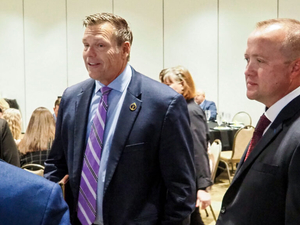
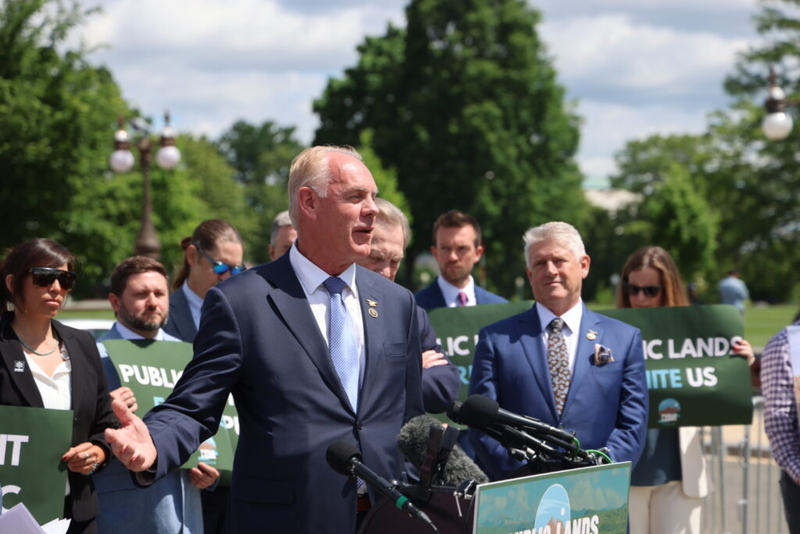
Montana U.S. Rep. Ryan Zinke speaks at a press conference announcing the launch of the bipartisan Public Lands Caucus, while Montana Rep. Troy Downing listens. (Courtesy photo)
For more than two decades, a coalition of conservation organizations, sportsmen’s groups, business owners and individuals have sought ways to expand protections and recreation opportunities around the Seeley-Swan and Blackfoot River valleys in western Montana.
Wednesday, Montana U.S. Rep. Ryan Zinke announced his intention to introduce legislation in Congress combining multiple proposals into a single “landscape-scale plan” of “multiple use.”
Dubbed the “A River Runs Through It Act,” the legislation includes adding the first new protected wilderness in 14 years, supporting timber harvest, reducing wildfire risks and opening additional recreation opportunities.
“This is what locally led conservation looks like,” Zinke said in a statement. “We can put people to work in the woods, support our timber industry, reduce wildfire risk, and keep our forests healthy while protecting public access and conserving the iconic places we cherish. This proposal was built by the people who live, work, hunt and recreate in the Blackfoot, and after decades of work they found a way forward that keeps this landscape working for everybody.”
The A River Runs Through It Act, named for the Norman Maclean novel that drew national attention to Montana and its natural beauty, combines two large-scale proposals that have been workshopped and considered in various legislative forms over the years – the Blackfoot Clearwater Stewardship Proposal and the Lincoln Prosperity Proposal.
Members of the steering committee that helped craft the proposal include retired foresters form the Montana Department of Natural Resources and Conservation and Pyramid Mountain Lumber — a local timber mill in the rural Seeley Lake community that closed in 2024 —local outfitters, ranchers and guides, and state and national conservation organizations.
More than 430,000 acres of land near the Clearwater and Blackfoot rivers are included in the act with five priority focus areas.
A key piece of the legislation is the inclusion of nearly 100,000 acres of Forest Service land to the Bob Marshall and Scapegoat wilderness areas, the creation of new wilderness on Nevada Mountain, and the release of approximately 23,000 acres of Wilderness Study areas, opening them up to timber harvest and other management practices. .
Zach Angstead, government affairs specialist with Wild Montana, said the organization has been part of the two collaborative proposals for more than 20 years.
“Seeing this work come together in the A River Runs Through It Act is a remarkable achievement. The legislation would protect iconic landscapes, expand recreation access, strengthen forest restoration, support rural economies, and resolve long-standing wilderness study area designations,” Zangstead said in a press statement. “This proposal was built the Montana way: By sitting down together, working through differences, and finding common ground for a place we all love. Now it is up to Congress to recognize how special this hard-won agreement is and pass this locally driven legislation.”
Additional goals of the bill focus on forest management and recreation opportunities.
Across roughly 180,000 acres, six “forest restoration areas” are designated to improve the health of the forest. Those actions include timber harvest, thinning, vegetation management, prescribed fire and stream restoration.
Additional fuel reduction and forest restoration projects west of Lincoln will aim to reduce wildfire risks to homes and infrastructure, and provide more flexibility in forest management choices.
“This proposal reflects Montana values of being good stewards to the land and working together with broad partners to get more accomplished,” said Gordy Sanders, a retired forester with Pyramid Mountain Lumber. “Our forests and rural communities need a vibrant forest products industry, and the focus on restoration in the Blackfoot Valley will help sustain the health of both.”
Six newly designated recreation areas, totaling roughly 60,000 acres, will secure permanent winter access for snowmobiles, add additional mountain biking routes, and create a connected off-highway vehicle trail loop that is more than 70 miles long.
The bill also “maintains and expands opportunities for hunting, fishing, hiking, horseback riding, mountain biking, snowmobiling, and off-highway vehicle use,” according to Zinke’s office, and will create new and improved trail connections.
“For motorized recreationists in the upper-Blackfoot Valley, the A River Runs Through It Act provides huge benefits. It will permanently protect important ATV and snowmobile access and authorize construction of several new trail connections,” said Russ Ehnes, president of the Great Falls Trail Bike Riders Association. “Whether you’re looking for a day-ride with your family or a multi-day backcountry loop riding experience, this bill will improve the quality of the experience for many.”
Zinke’s bill, likely to be one of his last before he retires from Congress at the end of the year, drew praise from elected officials throughout the region as well, with commissioners from Missoula, Lewis and Clark, and Powell counties adding statements of support.
The bill “strikes that balance” between the timber and recreation industries, Powell County Commissioner Bill Hooker said, and gives residents more certainty about the future of these lands.
The supporting organizations and individuals all highlighted the process that created the proposal, as opposed to legislation being crafted in Washington, D.C.
“The A River Runs Through It Act is a perfect example of people, communities and partnerships shaping the future of the Blackfoot Valley,” said Jim Stone of Rolling Stone Ranch. “We are building a stewardship ethic for working lands that will sustain generations and allow many people to enjoy and prosper.”
Getting it done
Versions of this legislation — namely of the Blackfoot Clearwater Stewardship Act, one part of the new legislation — have gone before Congress time and time again, without much traction.
In 2010, former Democratic U.S. Sen. Jon Tester first introduced the Blackfoot Clearwater Stewardship Act as part of a larger recreation and jobs focused legislative package.
Subsequent attempts to pass the legislation in combination or as a standalone bill didn’t make much headway in Senate committees. A 2021 version failed to pass committee when it was opposed by Republican U.S. Sen. Steve Daines, who wanted to see it paired with his own bill that would release additional wilderness study designations in the state.
A version Tester introduced in 2023 passed out of committee, but stalled out on the Senate floor.
Last year, Zinke introduced the Greater Yellowstone Recreation Enhancement and Tourism Act, also supported by a coalition of sportsmen and conservation organizations, which would add nearly 100 miles of the Gallatin and Madison rivers to the National Wild and Scenic Rivers System.
That bill was referred to committee on Aug. 1, 2025 but has not moved any further through the legislative process since then.
A spokesperson for Zinke did not respond to questions from the Daily Montanan about a timeline for moving the A River Runs Through It Act through committee or what would make this process different from prior bills that stalled out.
Angstead, with Wild Montana, said next steps include getting the rest of Montana’s all-Republican delegation on board and the coalition has collected letters of support from counties and local governments asking for federal support to pass the legislation before the end of the Congressional term. .
“We have three months so it’s going to be a sprint, but I think everyone from Congressman Zinke’s office, to Wild Montana, and the whole coalition is going to do what we can to move this forward,” Angstead said.
Helena, MT