A year without pain is a reminder of health struggles we can’t see
Sep 13, 2026 | 6:00 am ET
Description
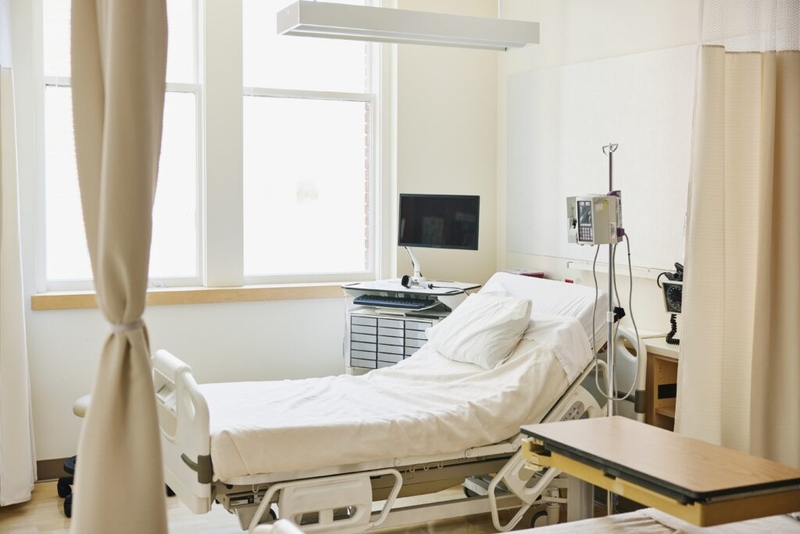
(Photo by Thomas Barwick/Getty Images)
On good days, it felt like a really bad ice cream headache. On the worst, it was as if jumper cables had been attached to the side of my face.
It’s been more than a year since I’ve dreaded brushing my teeth or have worried about what would happen if I ate something too tough or chewy. I used to mentally prepare myself for ways I could quickly end an interview or a conversation if I couldn’t speak without searing pain.
I can’t remember the last date I felt the symptoms that upended my world for several years. A half-circular, barely visible scar above my right ear reminds me of what life was like and how much an invisible illness can change everything. For many Arkansans with conditions that aren’t obvious to others, the healthcare system is falling short.
Last fall, I underwent cranial surgery after struggling for several years with trigeminal neuralgia. The rare neurological disorder occurs when a blood vessel or vein compresses the trigeminal nerve, which runs along the face and jawline.
That compression can cause flare-ups of extreme facial pain. For me, it would occur when I was eating, brushing my teeth or talking. That last one was problematic for someone whose job is to talk to people and ask questions throughout the day.
New cases of trigeminal neuralgia affect four to five of every 100,000 people in the United States each year, according to the Facial Pain Association.
There’s no cure for the condition, though there are procedures and medications to manage the symptoms. And there’s no shortage of horror stories from patients who have gone to numerous doctors without a diagnosis or had it misidentified as a dental issue.
Trigeminal neuralgia is also known by a very grim nickname: the suicide disease. It refers to those who have found the pain unbearable.
I was fortunate enough to get my condition properly diagnosed when my pain first appeared a decade ago. I was able to keep it mostly under control through a combination of medications, but there would be flare-ups. My medications or dosages would change each time. That worked, but the pain would always return.
After a particularly bad series of flare-ups last year, I underwent surgery. The five-hour procedure, known as microvascular decompression, involved cutting into the back of my skull to separate the trigeminal nerve from the vein that had been pressing against it. The most difficult part of my recovery was being unable to work, drive or run for nearly two months.
This is the longest stretch of time I’ve gone without even a twinge and it’s allowed me to wean off nearly all of the medications I had been taking for my trigeminal neuralgia.
There’s no guarantee that it won’t come back. But this past year has reminded me how fortunate I was even before my surgery.
I had doctors who were able to properly diagnose me and prescribe medications needed. When the medications no longer worked I was able to undergo complicated surgery and had time to recover before returning to work.
Aside from the faint scar that you wouldn’t see unless you were looking for it, I look the same as I did when trigeminal neuralgia was controlling my life.
For many people with invisible conditions, the story is much different. An estimated one in 10 Americans live with health conditions that can’t be seen by the naked eye. The challenges trigeminal neuralgia patients face underscore the gaps in our healthcare system, from delays in diagnoses to skepticism from some health providers. That’s exacerbated by the rising cost of care.
Those rising costs and low reimbursement are partly what’s prompted hospitals around Arkansas to scale back services.
The cutbacks further strain a system where many rural Arkansans already face long drives to receive the type of specialized care needed for many invisible illnesses. The state’s shortage of physicians, nurses and other healthcare providers creates obstacles to needed diagnosis and care.
The scar above my ear is a reminder that the healthcare system worked for me when I needed it. It’s also a reminder that many other Arkansans can’t say the same thing.
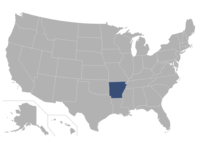
Little Rock