WV pays $4.4M in historic child abuse case after CPS didn’t rescue kids from slave-like conditions
Oct 01, 2026 | 6:00 am ET
Description
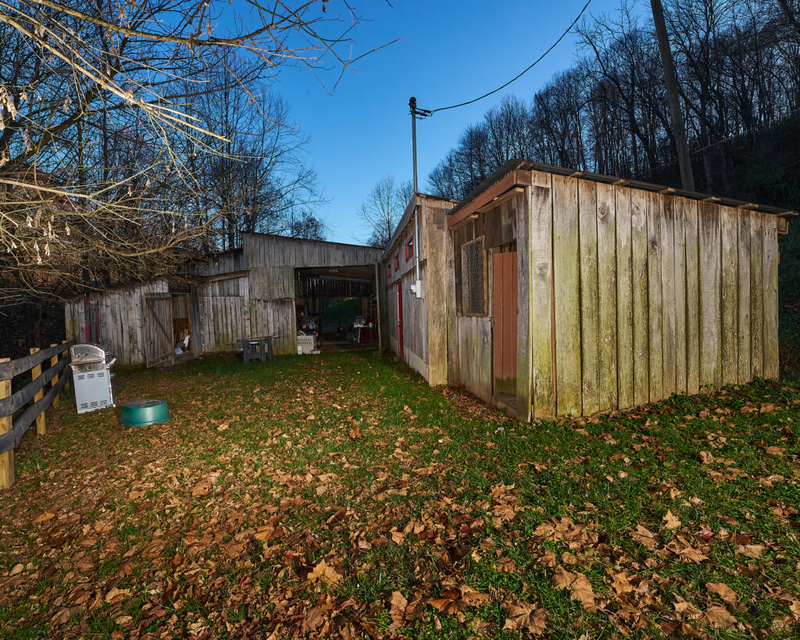
On Oct. 2, Kanawha County Sheriff deputies responded to a 911 call about children locked in a shed in Sissonville, West Virginia.
(Photo by Rafael Barker/ West Virginia Watch)
Child victims in a gruesome abuse case have been awarded $4.4 million in a settlement with the state Department of Human Services due to Child Protective Services failures in the case.
A white couple living in Sissonville, West Virginia, had kept their adopted Black children in deplorable conditions, treating them as slaves. Some of the children were forced to live in a shed without running water or a bathroom.
Neighbors notified CPS about the abuse, but said they didn’t hear back about their ongoing referrals. Law enforcement discovered the children in October 2023.
Jeanne Kay Whitefeather, 63, and her husband, Donald Lantz, 64, received the maximum sentences of decades in prison for abusing the adopted children.
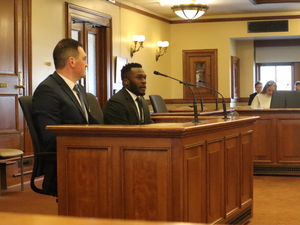
On Tuesday, Kanawha County Circuit Judge Maryclaire Akers approved a $4.4 million settlement with the state of West Virginia for the five children who were abused.
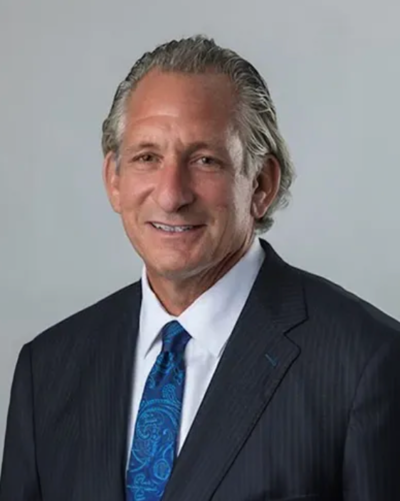
“It means that these kids will have an opportunity to be children,” said attorney Dante’ diTrapano, who represented the children. “They were robbed of their innocence and robbed of their youth by the monsters that were their former parents.”
The money, which will be split between the children, will be used by the victims to recover and move forward. Several of the children have high-level needs due to trauma stemming from the abuse.
The payout is the maximum each child could receive under the state’s limitations within the Board of Risk Management, which paid out the settlement amount. BRIM did not respond to an email for this story.
DiTrapano brought the suit against the West Virginia Department of Human Services, explaining CPS’ missteps in the case.
West Virginia Watch reported in 2023 that DoHS did not produce documentation showing CPS made contact with the children while the agency had a referral in its system about slave-like conditions.
The adopted parents’ trial later revealed that CPS left a card at the families’ door.
“There were a ton of calls that came in from neighbors, and I think only one visit out there. There should have been many more,” diTrapano said.
DiTrapano said CPS later conducted an interview with the children within earshot of their adopted parents.
Lars Dalseide, spokesperson for Gov. Patrick Morrisey, said that DoHS does not comment on specific legal settlements or ongoing litigation.
The abuse case predates the Morrisey administration.
“The employee involved was terminated by that administration,” Dalseide said.
“We cannot speak to what additional policy or operational changes the previous administration may have made specifically in response to this case. Since taking office, however, the Morrisey administration has made substantial changes to strengthen West Virginia’s child welfare system,” he added.
Dalsiede listed changes like restructuring leadership with clearer expectations across regions and stronger training for frontline workers. The administration is now using the “SAFE Model” to assess child welfare cases with the goal of providing a more consistent approach to decisions.
“The safety and well-being of West Virginia’s children remain our highest priorities,” Dalseide said. “DoHS will continue evaluating its policies, oversight and operations and making changes where needed to better protect children and support families.”
DiTrapano maintains that the “whole system is broken.”
“There’s all kinds of things that need to be changed,” he said. “The quality of the employees that they’re having to go out here and look after the welfare of these children, some of the manner in which they do these interviews and document things, they have to take these calls seriously.”
The children in the Sissonville case were placed with new adopted families, diTrapano said. Two of the new adoptive mothers spoke in court about the children’s lives now, which included details about a trip to the beach.
“It means everything to us to be able to help these kids,” diTrapano said.
DiTrapano and the Salango Law Firm plan to bring charges against Washington’s Human Services Department because the agency approved Whitefeather and Lantz transferring children from Washington to West Virginia. There were prior reports of child abuse against the couple in Washington, DiTrapano said.
There is no monetary damage cap in Washington on what the children could receive in that payout if the attorneys are successful in their challenge.
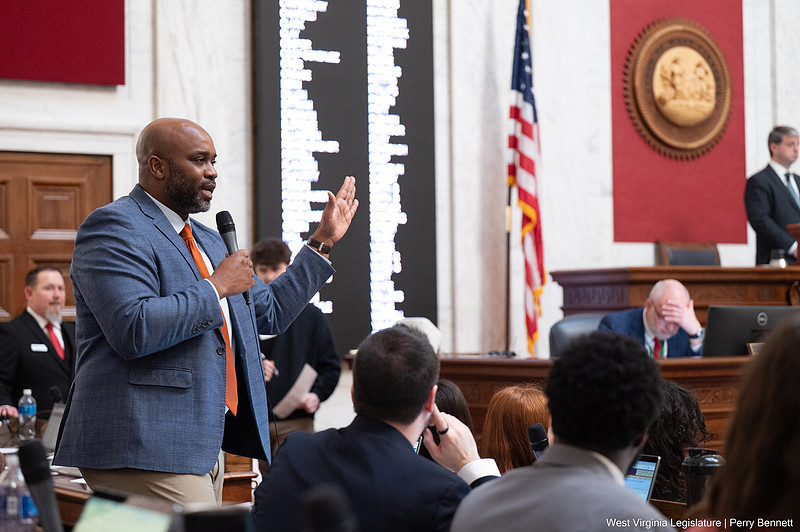
Kanawha delegate will push anti-abuse legislation related to case
In response to the historic child abuse case, Del. Hollis Lewis, D-Kanawha, will reintroduce legislation — called the Child Captivity Prevention Act — that would require families moving to West Virginia who intend to homeschool to notify the Department of Human Services.
Whitefeather and Lanz had homeschooled the children prior to police’s discovery of the abuse.
“This is an attack on abusers because we don’t want our relaxed homeschool and school choice policies to be a conduit for abusers,” Lewis said in a phone interview. “I do not believe they landed on West Virginia because of our beauty or our economy. I believe they came specifically because they knew they could operate in a manner and have little oversight.”
Lewis introduced the measure earlier this year in the legislative session, but it didn’t move forward before lawmakers adjourned in March. Republicans control the House and Senate, giving them the power to decide what bills will be vetted in committees before floor votes.
Hollis said he’ll push for the legislation again in 2027.
“We’re for parents having options about how they wish to educate their children, but we are also for sensible, common sense guidelines and provisions to ensure that you know those educational choices don’t lead to abuse,” Lewis said.
Lewis noted that Sissonville residents who lived near Whitefeather and Lantz should be thanked for their continued calls to CPS and police about the horrific conditions at the couple’s home.
“The community was the one that actually blew the whistle on this, and not for the community’s effort … those kids could possibly still be enslaved now and getting abused now, or even worse,” Lewis said.
Charleston, WV