Workers and communities shouldn’t foot the bill for Big Oil’s mess
Oct 15, 2026 | 3:27 pm ET
Description
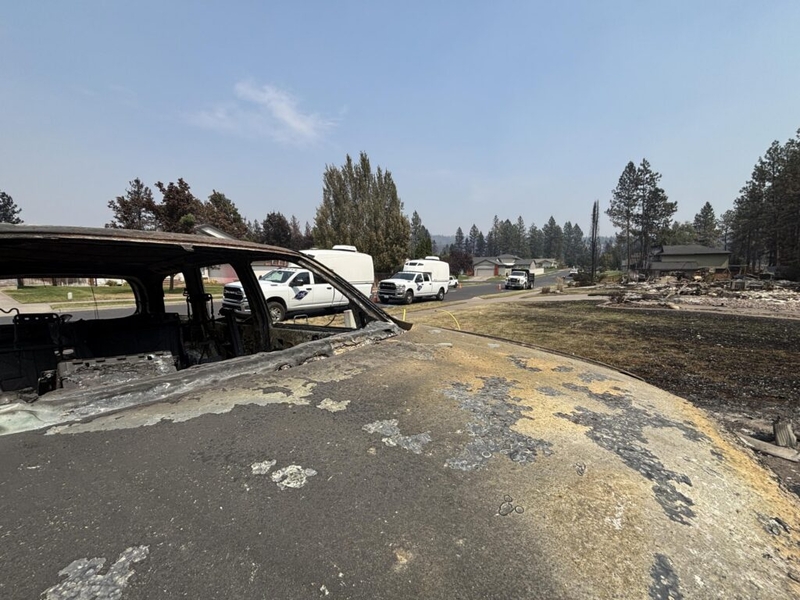
Climate change is driving expensive disasters such as flooding and the recent Spokane fires. Washington lawmakers can bring in new progressive revenue by holding climate polluters accountable, two activists argue. (Photo via InciWeb)
More than 70,000 people were evacuated as wildfires engulfed Spokane, reducing entire neighborhoods to ash. Hundreds lost their homes. Damage is expected to exceed $1 billion, the most expensive wildfires in Washington’s history.
And while some point out that arson started the fire, it’s clear that the damage wouldn’t be nearly as destructive without the dry, hot conditions fueled by climate change.
When fires, floods, and heatwaves strike, the costs fall disproportionately on taxpayers, workers, small businesses, and vulnerable communities. Meanwhile the major fossil fuel corporations most responsible for the emissions warming our planet get off scot-free.
Workers bear the impacts in ways that don’t often make the headlines. Firefighters, heavy equipment operators, and foresters risk their lives, with long-term health consequences from exposure to carcinogens. Outdoor workers — construction crews, farmworkers, delivery drivers — face direct exposure to dangerous wildfire smoke and extreme heat. Others face lost shifts and lost paychecks, or have to work through unsafe conditions to pay the bills.
As farmworkers, our livelihoods depend on working, even through wildfires or floods. In Skagit County, we’ve experienced two 100 year floods in five years. While the governor issued emergency orders for people to seek refuge, farmworkers kept working, choosing between safety and making rent.
After a long slog, climate change lawsuits will finally put Big Oil on trial
And as climate disasters strain state and municipal budgets, public sector workers — teachers, transit operators, service workers — face wage suppression, shrinking benefits, and hiring freezes. We are in the era of climate change where unions and communities alike are being forced to absorb the costs of a crisis they didn’t create.
The Pacific Northwest wildfires were unprecedented, supercharged by a climate crisis that Big Oil’s own scientists predicted with incredible accuracy as early as the 1970s. They waged massive deception campaigns to sow doubt, denial, and delay. Now, workers and communities are paying the price.
Extreme weather disasters in Washington are growing in scale and frequency, causing billions of dollars in damage. The 2025 atmospheric river, for instance, caused the Green River levee breach, bringing life-threatening flash floods in Tukwila, and cost over $180 million – excluding damage to homes, businesses, and livelihoods.
We pay to recover and rebuild, then we pay again for the resilience measures needed to weather future climate storms. The climate crisis is also exacerbating the affordability crisis. Groceries, gas, energy, healthcare, and home insurance costs are all climbing. Washington home insurance rates have risen 51% in six years, driven in no small part by rising flood and wildfire risk.
Meanwhile, the fossil fuel industry is reaping another windfall. Fueled by higher oil prices from the war on Iran, eight of the largest oil and gas companies made over $93 billion during the second quarter of 2026.
Why should we keep paying for a crisis fueled by Big Oil’s pollution?
Fortunately, there is one common sense step we can take — Make Polluters Pay for the costs of climate harms. Washington is building a movement to pass Climate “Superfund” legislation, to be introduced in the 2027 session, that would require the largest fossil fuel corporations to pay their fair share for climate damages caused by their historical greenhouse gas emissions.
The idea is rooted in a simple principle we learned as kids: you make a mess, you clean it up. New York and Vermont already passed these laws, and bills are now moving in over a dozen states around the country.
Climate Superfunds apply the “polluter pays” principle from toxic-waste cleanup to the climate crisis. Using climate attribution science, states can identify major contributors – think BP, Exxon, Chevron, Shell – then assess fees to recoup part of the climate costs resulting from their pollution.
That revenue would fund resilient infrastructure, protect overburdened communities, and create thousands of good jobs. Rebuilding Spokane, retrofitting homes, schools and community centers for clean air and cooling, hardening the grid, and other resilience measures will all require skilled labor. The sooner polluters pay, the sooner local workers can get to work protecting communities.
This kind of dedicated funding will also help protect farmworkers and other vulnerable populations who are often overlooked. In the long-run, these investments will help build a more resilient and affordable Washington.
Someone has to pay for disaster recovery, and for future climate harms. That burden should not fall on workers, families, and overburdened communities. It should fall on the Big Oil corporations that knowingly created this mess and continue to profit from pollution and war.
Washington lawmakers can bring in new progressive revenue by holding polluters accountable.
Olympia, WA