Vermont funded lawyers for tenants facing eviction. The program is out of money.
Sep 18, 2026 | 5:15 am ET
Description
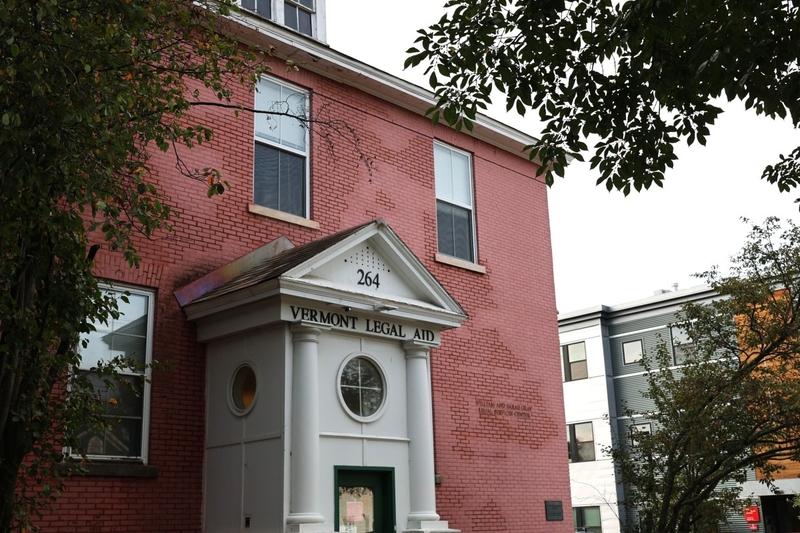
Vermont Legal Aid’s offices in Burlington on Sept. 17, 2026. Photo by Carly Berlin/Vermont Public and VTDigger
Carly Berlin covers housing and infrastructure for Vermont Public, in partnership with VTDigger.
Last year, Steve Koren slept on a friend’s sofa for nearly six months while searching for an apartment he could afford on his Social Security disability payments and gig work. When the 54-year-old with lupus landed a studio apartment at a subsidized building in downtown Brattleboro this January, he was filled with relief.
But a few months ago, a law enforcement officer arrived at Koren’s door with eviction paperwork, Koren said. His landlord, the nonprofit Windham and Windsor Housing Trust, claimed he owed $200 in past-due rent, according to court records.
Koren was shocked. He’d had an issue with the auto-rent payments from his bank account soon after moving in, but at the time of the eviction summons, he had believed he’d paid off the balance, he said. (Kim Chewning, director of property and asset management at the housing trust, said the organization cannot comment on the specifics of individual cases but that “unresolved rent balances can grow quickly if we are unable to make contact or address the underlying issue,” and in those instances, “we may move forward with legal action as part of our standard process.”)
Koren found a program run by Vermont Legal Aid that offered free representation for tenants facing eviction. He quickly connected with an attorney, who helped get the case dismissed this July. In the end, Koren only needed to pay a fraction of the court costs demanded by his landlord – and he got to stay in his apartment.
Without the legal assistance, Koren thinks he could have ended up homeless.
“I would have been forced to pay the money that I don’t have, and in that, I would’ve lost the apartment,” he said.
The Vermont Legal Aid program that helped prevent Koren’s eviction is now shutting down. The Tenant Representation Pilot Project began in November 2024 and is ending this fall after running out of state funding.
Nationwide, landlords are much more likely than tenants to have legal representation in eviction cases. The Vermont program was part of a crop of publicly-funded tenant right-to-counsel initiatives launched in the wake of the COVID-19 pandemic, when eviction moratoriums were lifted and courts reopened – leading to a rise in eviction cases.
In Vermont, there’s generally no right to an attorney in civil court cases, the way there is when someone is accused of a crime.
Everything is different when a tenant has a lawyer beside them in the courtroom, said Sara Kagle, the project director of the Tenant Representation Pilot Project. Tenant representation helps ensure fairness, and also keeps the court process moving efficiently, she said.
She likens tenants entering court without legal counsel to a patient being asked to take over in the operating room.
“You’re going in for surgery, and the surgeon hands you the scalpel and says, ‘I’ll talk you through it,’’” she said. “If the tenant only has us on the telephone before the hearing, and they don’t actually have an attorney with them in court, they are really at a disadvantage. There is so much at stake for them – because it’s literally a roof over their head.”
Vermont’s two-year pilot program, funded with just over $1 million during the 2024 legislative session, focused on Lamoille and Windsor counties in its first year and then expanded to Rutland and Windham counties in its second year.
In those areas, Legal Aid sent out letters about its services to tenants facing eviction. Sheriff’s departments brought along flyers when they served eviction paperwork, Kagle said.
Out of 207 cases that Legal Aid resolved through August, attorneys were able to prevent eviction in 73 cases – over a third. In other instances when tenants did move out, attorneys helped negotiate down debts related to past maintenance issues, for example.
The program did not have strict income requirements, which meant attorneys could help any tenant who sought their services. After the state grant ends on Oct. 31, Legal Aid will still be able to take on tenant cases through other programs, but on a much more limited basis.
Democratic Rep. Marc Mihaly, chair of the General and Housing committee in the Vermont House, said he wants to direct more state resources toward eviction prevention to stem homelessness. This past session, his committee supported continued funding for a program that helps tenants pay back-rent.
But the committee did not advocate for continued funding for the tenant representation program, and lawmakers ultimately did not include it in the state budget. Mihaly struggled to recall the exact reasons, but said the issue stemmed from the timing of when lawmakers received the funding request during the budget-writing cycle.
To Koren in Brattleboro, that’s a loss for future tenants who will lack the opportunity for free eviction defense.
“That’s just a real, real crying shame that there’s a possibility that that will not be there for the next person that has a misunderstanding, a misstep, or something they’re unable to navigate themselves with a landlord,” he said.
Read the story on VTDigger here: Vermont funded lawyers for tenants facing eviction. The program is out of money. .

Montpelier, VT