Time is running out to have a say in new Census 2030 rules. What’s at stake for Rhode Island kids.
Oct 26, 2026 | 5:00 am ET
Description
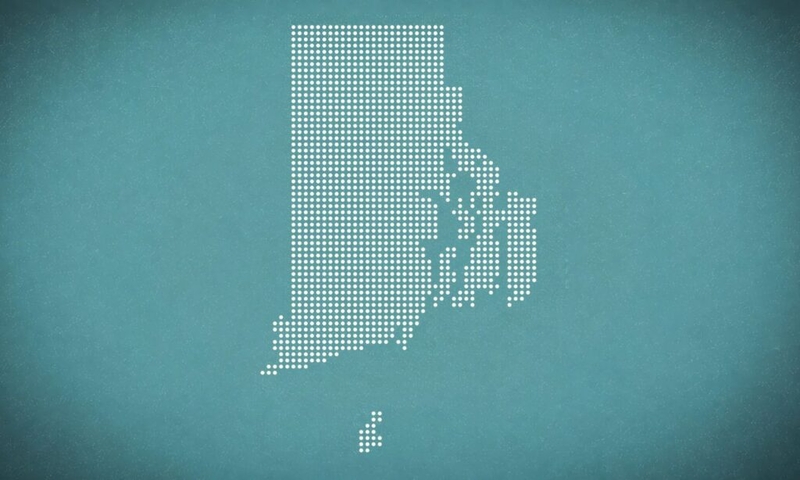
Proposed changes to Census 2030 rules could lead to significant undercounts of children in Rhode Island, which translates to less federal money available for schools, hospitals and public services that support their wellbeing. (Getty illustration)
I lead an organization that relies on the power of data, to inform policies that improve the lives of all Rhode Island children. Every kid counts in our state.
But the Trump administration is working hard to make sure our kids don’t count in the next Census. It is our collective duty as adults to speak up and make sure they are.
For every child counted in the Census, Rhode Island receives federal funds for essential programs that support children, families, and the communities where they live, learn, play, and grow. Undercounted children mean a loss of federal money to support schools, hospitals, transportation, emergency services, and more.
The Census Bureau is proposing major changes for how the 2030 Census is conducted. These new rules would:
- End the collection of race and ethnicity data.
- Ban questions on sexual orientation.
- Exclude U.S. residents like visa holders, refugees, and asylum seekers from the count that determines the number of seats in Congress and Electoral College votes.
- Add a legal status or citizenship question.
- End guidelines for a variety of living arrangements.
- Use tax records to determine place of residence.
- Count incarcerated people at their facility instead of at their home.
Every Census since 1790 has collected race and ethnicity data. The 2020 Census reported that nearly half (47%) of Rhode Island children under age 18 were Children of Color, allowing all to know and understand demographic shifts and community needs.
A lack of routine data collection makes it difficult to understand the changing needs of the LGBT+ population, leaving federal and state leaders less able to create effective polices for LGBT+ people and their families. High suicide rates among LGBTQ+ youth will not go away just because the data is not there, but not having the facts will make it harder to understand and solve these problems together.
Undercounted children mean a loss of federal money to support schools, hospitals, transportation, emergency services, and more.
The Constitution requires that every person living in the U.S. be counted. Excluding visa holders, refugees, asylum seekers, and others will lead to a serious undercount. In Rhode Island, the number of public-school students identified as immigrants more than tripled from 2012 to 2025 (1,893 to 6,105). This proposed change would harm immigrant children as well as every U.S. citizen child living in a community with a high number of immigrants because that community will not get the resources it deserves.
The proposal to end 2020 guidance for shared custody of children and other complex living arrangements will also lead to substantial undercount. According to the 2020 Census, over 17,000 Rhode Island children live in multigenerational households and more than 1,400 live in out-of-home placements such as foster care.
The administration has proposed using tax records to determine residency. However, some tax records reflect a mailing address instead of a residential address. Reliance on tax records risks missing military children, which can unfairly hurt communities like Newport and Middletown.
The proposed changes would increase the population count where prisons are built and decrease it where those incarcerated normally reside. Our state prisons are in Cranston, but among incarcerated individuals who are parents, 68% live in the five core cities of Central Falls, Newport, Pawtucket, Providence, and Woonsocket, compared to just 9% who live in Cranston. If incarcerated people in Rhode Island are counted in Cranston and not in their home communities, the result will be a substantial decrease in resources where their children live.
Lastly, if the 2030 Census includes a question on citizenship, we expect a significant young child undercount. Even before a potential citizenship question was proposed, Census staff warned that the current political environment would make it harder to persuade people to fill out the Census. If the Census form asks about citizenship status, that effect will be much stronger and may result in 11% of Rhode Island children not being counted.
Proposed changes to the 2030 Census will affect the lives of an entire decade of children. A missed preschool child will not be counted again until high school, leaving communities without resources intended to support them during their most important developmental years and leaving our policymakers without valuable facts needed to make informed policy decisions.
Rhode Islanders can submit a public comment on these proposed changes by Monday, Nov. 2. Comments from parents, educators, providers, and community members show federal officials how these changes would affect real families. You don’t need to be an expert.
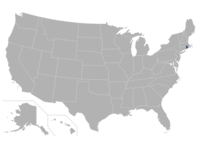
Providence, RI