TikTok to pay Alabama $116 million in lawsuit settlement
Sep 25, 2026 | 9:25 pm ET
Description
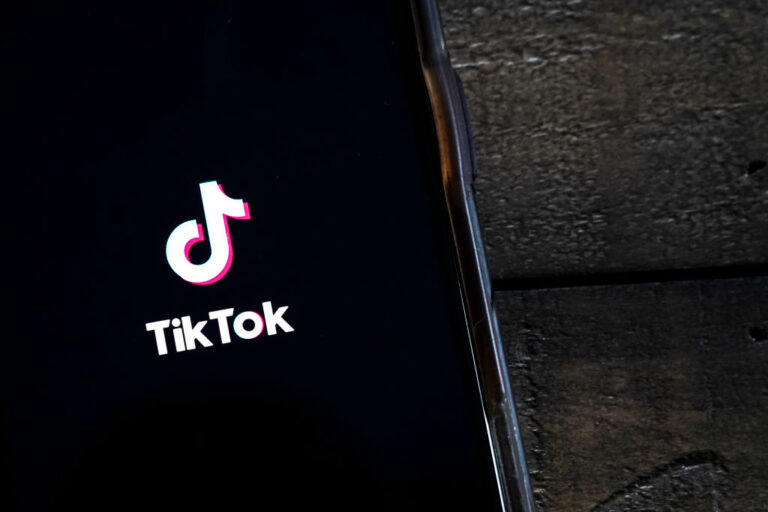
In this 2020 photo illustration, the TikTok app is seen on an Apple iPhone. The company and Alabama settled a lawsuit on Friday that requires the company to prevent children from having access to its site in the evenings starting at midnight. (Photo Illustration by Drew Angerer/Getty Images)
The Alabama Attorney General’s Office and TikTok Friday reached a settlement over a state lawsuit that alleged the social media platform addicted children and lied about the safety of its platform.
The settlement, coming about a month after the social media platform settled a similar lawsuit with the federal government, requires TikTok to install features that prevent teens from accessing the platform from midnight to 6 a.m. The agreement also requires TikTok to pay $116 million in restitution to the state and establish a $183 million fund for contingency payments, to be released depending on whether other states enter settlement agreements.
The consent decree, issued by Montgomery Circuit Judge Monet Gaines, also requires TikTok to provide educational resources to parents to protect their children while on the site and allows them to control the content their children view. It also requires the company to impose restrictions on minors’ access to inappropriate content.
TikTok did not admit wrongdoing in the settlement.
Alabama Attorney General Steve Marshall said in a statement Friday it was a “great day” for Alabama parents and that they can “rest easier” because of protections that were established on the site.
“TikTok has agreed to give parents real control over what their kids see and how much time they spend on the app,” Marshall said in the release on Friday. “We’ve said from day one that our number one goal was to stand up for Alabamians when they are being harmed, and today, we did exactly that.”
TikTok said in a statement Friday that its priority “has always been fostering a safe and positive space where people can be creative, discover what they love, and connect with their community.”
“This builds on our commitment and core objective to continually enhance our robust safety tools to protect teens,” the statement said.
The Alabama Attorney General’s Office sued TikTok in April 2025, accusing it of “fueling a mental health crisis among Alabama’s youth.”
“TikTok’s so-called ‘safety features’ are a joke,” the office said in a statement. “They are nothing more than a marketing ploy to trick parents into trusting a product that TikTok knows full well is dangerous.”
The lawsuit accused TikTok of deploying an algorithm to keep children on the site to sell advertising, and accused the social media platform of harming their mental health, leading to self-harm and depression.
“The TikTok algorithm regularly exposes children to overtly mature and inappropriate content concerning alcohol, tobacco, drugs, sexual content, nudity, suicide, and eating disorders,” the lawsuit states. “This content, and the addictive properties of the app, are distinctly harmful to the still-developing minds of children and damaging to the State’s future.”
TikTok filed a motion to dismiss the lawsuit in June 2025, arguing among other matters the state’s claims were barred by Section 230 of the Communications Decency Act.
“Under Section 230, a defendant is immune from suit when: it is a provider of an interactive computer service; the plaintiff’s claims treat the defendant as the publisher of information; and that information is provided by another information content provider, not the defendant,” TikTok said in its motion.
The company also cited the federal Child Online Privacy Protection Act to challenge the claim made by the AG’s Office that the platform retains data from users. TikTok also said that the claims should be dismissed because the company was not based in Alabama.
Friday’s settlement requires the social media platform to provide parents with resources allowing them to tailor the preferences and privacy settings and how to obtain information on their children’s accounts. It will also inform parents about how they view their children’s activity and their visibility on the site.
It also requires TikTok to create protections for teens to prevent interactions with “age-inappropriate accounts” and to provide age-appropriate content recommendations.
TikTok will also impose a ban for teen users during the late evenings to early morning by default. However, for those with permission to use the platform, TikTok will limit messages and disable some notification features.
The agreement also allows parents to impose limits on the amount of time their children may view the site. The default daily limit is set to two hours per day starting at midnight. The platform will also allow parents to see a summary of the children’s activity on TikTok and to schedule when they will be blocked from having access.
Of the $116 million TikTok will pay to Alabama, $14.2 million will go to attorneys’ fees and another $2 million will be for litigation. The remaining $100 million will be paid to the Alabama Attorney General’s Office for an unspecified purpose.
The company will also pay about $183 million that Alabama could receive in increments or tiers based on specific milestones. Tier one, for example, is worth about $55 million and could be paid out should the attorney generals’ offices from 10 states formalize qualifying agreements. Alabama is slated to receive another $55 million if another 10 states execute qualifying agreements.
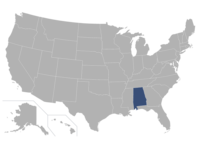
Montgomery