Tennessee faces estimated $220M in extra SNAP costs under new federal rules
Oct 02, 2026 | 5:59 am ET
Description
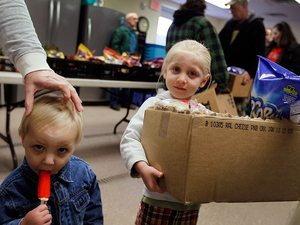
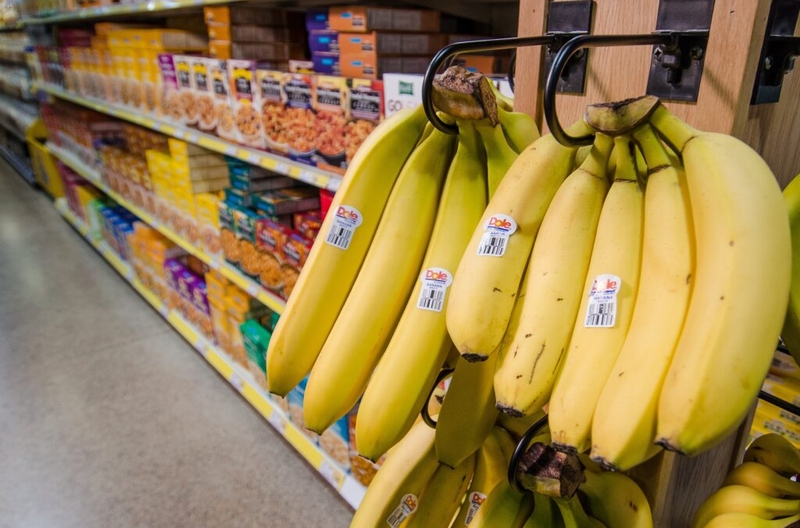
Tennessee could need to carve an additional $220 million out of its budget to meet new federal SNAP cost sharing requirements. (USDA Photo by Lance Cheung)
Tennessee may have to carve out an additional $220 million from its budget next year to continue funding the state’s Supplemental Nutrition Assistance Program after President Donald Trump’s One Big Beautiful Bill passed more of the program’s costs to states.
The total new costs to Tennessee depend, in part, on the state’s SNAP payment error rate — a measure of the number of households that receive either less or more food assistance than they are entitled to. States whose error rate exceeds the 6% goal set by Congress will be financially penalized starting in October 2027.
Those changes went into effect Thursday. The federal spending bill also increased states’ share of administrative costs from 50% to 75%. The increase tacked on an extra $58 million to the Department of Human Services budget in fiscal year 2026, Tennessee’s budget shows.
Tennessee’s error rate was 9.44% for the 2025 fiscal year, according to U.S. Department of Agriculture data, below the national average of 10.62%. The One Big Beautiful Bill Act allows states to choose to use error rates from either 2025 or 2026 to calculate how much they will need to contribute. While fiscal year 2026 ended Sept. 30, the error rate data is not expected to be released until June 2027, so Tennessee may not know how much it will be responsible for until then.
The potential budget challenges for Tennessee’s next governor
If Tennessee did not improve its error rate in 2026, it could be on the hook for 10% of SNAP benefit costs, equaling an estimated $162 million to $171 million, according to nonpartisan policy research center The Sycamore Institute.
The SNAP program helped feed 682,128 beneficiaries in Tennessee as of June 2025, according to USDA data, with rural counties tending to have the highest participation rates.
The new rules under the One Big Beautiful Bill Act stipulate that states with error rates between 6% and 8% must cover 5% of the state’s SNAP benefit costs, which historically have been federally funded. States with error rates between 8% and 10% must pay 10% of SNAP program costs, and those with error rates between 10% and 13.34% must pay 15% of program costs.
A handful of states whose error rates exceed the 13.34% threshold will be given an extra year to improve before the cost-sharing requirement takes effect.
The USDA specifies that SNAP error rates do not indicate fraud. Rather, “payment accuracy errors in SNAP are largely unintentional” and due to administrative mistakes or eligibility errors, according to the USDA.
Previous changes to SNAP work requirements that eliminated waivers for families with children, seniors, veterans, unhoused individuals and children aging out of foster care compounded the program’s bureaucratic complexity, according to Tennessee Justice Center Director of Nutrition Advocacy Signe Anderson.
Since those changes, more than 100,000 people in Tennessee have lost access to SNAP, Anderson said.
Nashville, TN