Tenant protection reining in hidden fees in rental leases takes effect Oct. 1
Sep 30, 2025 | 8:00 am ET
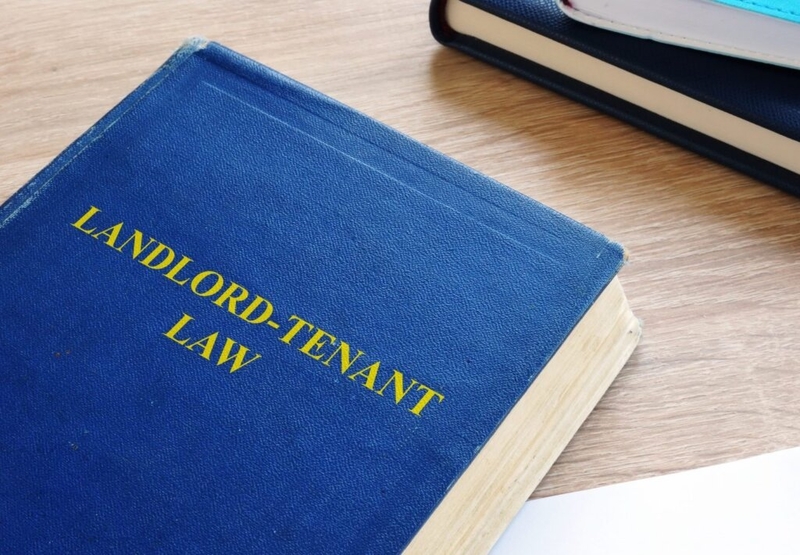
Description
(Getty Images)
Starting Wednesday landlords will be required to state the total amount of rent a tenant is required to pay up front in the lease, including those hidden fees normally buried deep inside rental agreements.
“When you ask how much a unit is, when you see an advertised amount for a unit, that’s what your rent is,” said Assemblymember Venicia Considine, the Las Vegas Democrat who sponsored the bill. Landlords and property owners “can’t put in hidden fees or junk fees anymore. On top of it, anything that they’re saying is a mandatory charge must be within the amount of the total that they give you.”
The new requirements are a result of Assembly Bill 121. The law also mandates landlords offer a fee-free way to pay rent and prohibits collecting application fees to obtain a credit report or run a background check for a minor who resides in the house.
Republican Gov. Joe Lombardo this year vetoed bills that sought to bolster renter protections and make changes to the eviction system. AB 121 was one of the few successful tenant bills.
“This feels like one of the first real big tenant protections passed in quite a few years,” said Ben Iness, the coalition manager with the Nevada Housing Justice Alliance. “What makes this bill so effective is that it covers all aspects of the rental process. I hope it’s something we can build on in the future.”
Considine revived AB 121 after it was vetoed by Lombardo in 2023.
Similar legislation was also introduced in 2021, when Democrats controlled both chambers and governorship, but stalled in an Assembly committee.
During the Biden administration, there were attempts federally, including lawsuits filed by the Federal Trade Commission, to hold some national landlords accountable for tacking on “junk fees” or inflating rental prices using rental algorithm software.
Invitation Homes and Greystar, which both manage properties in Nevada, have been in the center of federal lawsuits. Invitation Homes agreed to pay $48 million to settle the lawsuit last September.
Considine doesn’t expect the Trump administration to rein in bad practices.
“If we have the opportunity to get a bill passed that helps people, I just don’t feel like as a Nevada legislator, I should wait or rely on the federal government to do something that we could get done here,” Considine said.
The legislation doesn’t just protect individual renters but ensures large property owners aren’t “extracting wealth from our communities,” said Jonathan Norman, the statewide advocacy, outreach and policy director for the Nevada Coalition of Legal Service Providers.
“Maybe $100 fees seem like a small number,” he said. “When it’s $100 every month, and there’s 3,000 Invitation Homes, which has 3,000 properties in Clark County, that’s not a little bit of money,” he said. “It’s really the predatory extraction of wealth.”
‘Some teeth’
Whether it’s an extra fee of $10 or a $100 tacked on to the expected rent, it also adds up for a tenant. For many tenants, those fees weren’t detailed upfront when signing a lease and often hidden in addendums buried in the rental agreement, Norman said.
And when people are already struggling to afford their rent, a hidden and unexpected cost could push them over the edge and put them at risk of an eviction, added Norman.
“When we talk about people being responsible with their budgets, we often put a lot of responsibility on tenants and say, ‘Well, they should have known what they could afford,’” Norman said.
If people sign a lease that says their rent is $1,200 but wind up paying $1,500 because on page 60 of the lease there’s an addendum that adds mandatory fees, it will likely strain their finances, he said.
Landlords aren’t required to take partial payments. Considine said in some cases people try to pay the actual rent amount, but are denied an opportunity by the landlord because they can’t pay the extra fees tacked on.
The bill does offer “some teeth” for tenants who sign leases after Oct. 1 and are charged hidden fees, Norman said.
Tenants can seek statutory damages up to $250. The amount “may seem relatively small” but courts would likely “couple that with reasonable attorneys fees” could help “incentivize enforcement of this new law,” Norman added.
All renters, whether they signed a new lease or are an existing tenant, have to be offered a free way to pay rent.
There are many leases that incorporate fees for paying rent, but the law would supersede any existing language, Norman said.
It’s similar to what’s happened after a 2021 law was enacted to prevent landlords from charging more than 5% for late fees.
“There were a lot of leases that existed that had a higher late fee than that, but the law and the court said, ‘no, we know your leases are no longer accurate,’” Norman said.
When intaking new clients, legal aid attorneys plan to ask tenants screening questions around hidden fees and payment options to ensure the law is being followed.
The Nevada Housing Justice Alliance is planning to host tenant information sessions to spread the word out to ensure people understand their new rights.
Other bills
There are 173 bills that are scheduled to go into effect Oct. 1.
- Assembly Bill 555, sponsored by, Democratic Assembly Speaker Steve Yeager, prohibits private insurance companies from charging people more than $35 for a 30-day supply of insulin.
- Assembly Bill 215 prohibits teenagers from working between 11 p.m. and 6 a.m. before a school day. Teachers and students pushed for the change, citing the negative impact lack of sleep has on learning, mental and social health. The legislation was sponsored by Assemblymembers Daniele Monroe-Moreno and Brian Hibbetts, a Democrat and Republican, respectively.
- Assembly Bill 111 makes driving on the wrong side of the road, previously a civil offense, a misdemeanor crime. The bill, sponsored by Hibbetts, is nicknamed “Jaya’s Law” after 3-year-old Jaya Brooks who died in a wrong-way crash in Las Vegas last year.
- Assembly Bill 32 requires the Nevada Department of Corrections to create a program to allow formerly incarcerated people to work as firefighters within the Division of Forestry. The program is expected to help recidivism rates. The legislation was sponsored by Assemblymember Jovan Jackson, Nevada’s first formerly incarcerated person elected to the state legislature.
- Assembly Bill 277 makes the Net Proceeds of Minerals Bulletin publicly available by the state once again. A new interpretation of state law resulted in the bulletin being kept private.
- Senate Bill 442, sponsored by the Senate Committee on Growth and Infrastructure, requires utilities to report on a quarterly basis the number of disconnections due to non-payment broken down by month and zip code.
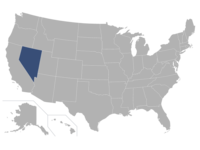
Las Vegas, NV