Taxpayers Spent $700K On These Tiny Homes. Hawaiʻi Ditched Them For $1
Nov 03, 2026 | 5:01 am ET
Description
Photo courtesy of Honolulu Civil Beat
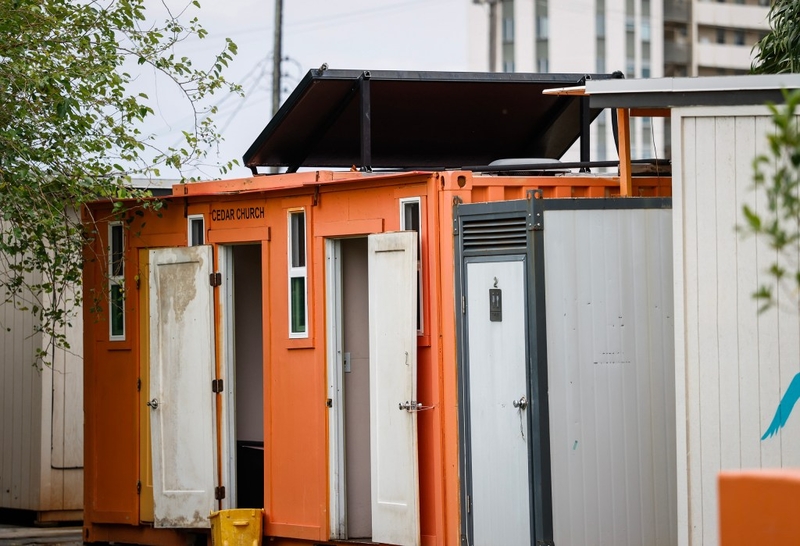
Hawai‘i taxpayers are out $716,000, and more than 30 elderly residents are paying hundreds of dollars a month to live in a place where the state has safety concerns after the state sold 20 tiny homes to a Korean church last September — for $1.
The housing units installed on the grounds of Kalihi’s Cedar Church in August 2024 were to be a key part of Gov. Josh Green’s kauhale program, his signature effort to address homelessness.
But the project veered wildly off course: Following some interpersonal clashes and concerns about sloppy record-keeping, on-site electrical work, and liability issues, the state rushed to get the homes off its hands. Initially demanding the church pay $400,000 for 20 units, the state later gave them to the church for almost nothing.
While the church has taken on the liability and upkeep of the units, the paying residents don’t receive the same wraparound health and social services that are a marquee feature of Green’s kauhale initiative.
The project, which would’ve made 30 beds available to homeless kūpuna and families, represents a small part of the state’s kauhale initiative — only 3% of beds. But it is a significant example of flaws in the state’s efforts to address homelessness. It was cited among more than $13 million in homeless-related expenditures that the state auditor said last month were unaccounted for or questionable.
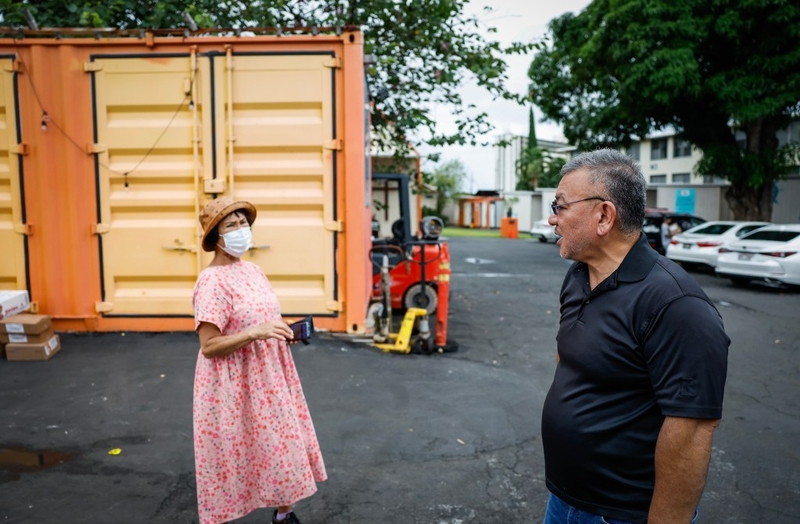
Prometheus Construction Vice President Cliff Tillotson, whose company donated over $600,000 in labor and materials to the project, said the state’s decision to offload the units could have unfortunate consequences for the tiny homes concept.
“I think right now the kauhale initiative is crippled because taxpayers are weary and wary,” he said. “And the building industry, which I'm part of, is not going to be so eager to help. Which is very unfortunate.”
In the end, Jun Yang, director of the Statewide Office of Homelessness and Housing Solutions, said the turnover to the church “was the best resolution for the state on behalf of the taxpayer.” There were safety and security issues that he said were going to be more trouble for the state than they were worth.
“I had my staff come in and assess the units, and there were concerns about how it was installed and some of the plumbing and electrical work done on the site,” Yang said.
John Mizuno, Yang’s predecessor, has a different point of view. Speaking publicly about the project for the first time since he quit, he said the project shows how the state can deliver on the kauhale initiative without draining the public purse.
“Not now, but in a year or two, this should be a blueprint for other counties and states to use because it shows the savings that are possible through public private partnerships,” said Mizuno, a former state representative.
Mizuno and others say the state’s decision to cut ties with the project was an attempt to draw attention away from the relatively low cost of the Cedar Church project compared to other kauhale projects completed by the nonprofit HomeAid Hawaiʻi. HomeAid has done the bulk of the building for the governor's initiative under no-bid contracts.
The cost of HomeAid's kauhale projects, the audit found, included $1.2 million for 20 units at Ho’okaho Leo at Middle Street, and $2 million for 20 units at Weinberg Village — an average of $80,000 per unit, compared to around $30,000 at Cedar Church.
The audit of the state homeless office’s management of the kauhale initiative identified $13.7 million in unauthorized or questionable payments.
Green strongly rebuked the audit in April before its formal release saying it amounted to a personal vendetta by state auditor, Les Kondo, and that the auditor’s role was to help the executive branch do better. He has stated that the kauhale program has provided services to 2,900 people.
The Cedar Church project was not one of the HomeAid projects but nevertheless was a case study of the perils of state homeless projects moving ahead without a formal contract, the auditors found.
“To be accountable,” Kondo told Civil Beat, “the state needs to have documentation so that it's clear what the parties obligations are, what the responsibilities are, and later on, so that external entities like us can see what happened.”
'Self-Sufficient Little Soldiers'
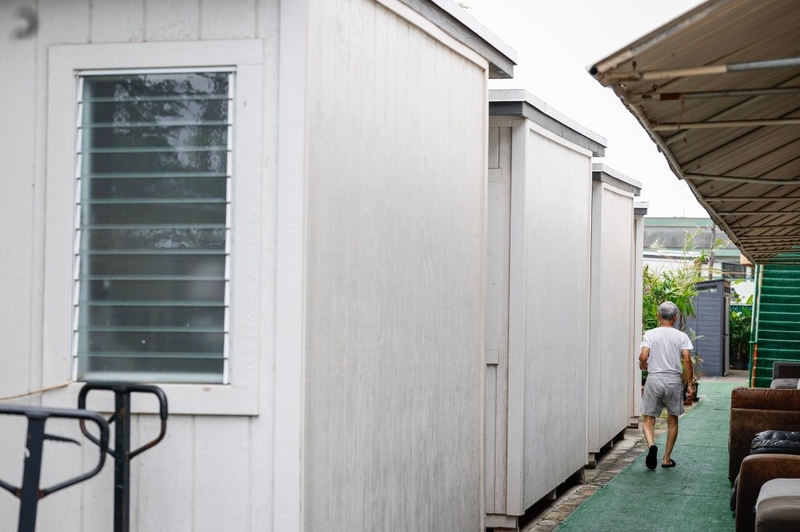
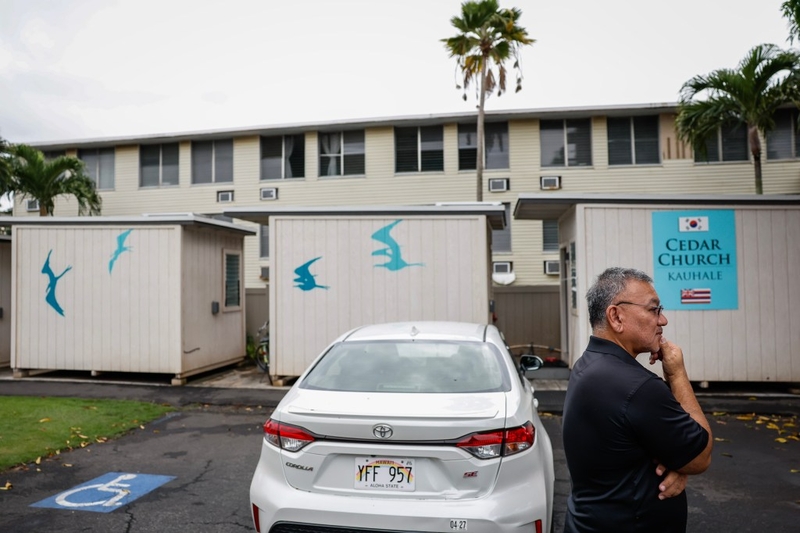
More than a year after the state cut ties with Cedar Church, residents of the units were going about their routines during a recent visit. The kauhale hug the fence line on two sides of the main worship building in the Kalihi Valley.
Shipping containers near the entrance to the church property on Kamehameha IV Road are a depot for the Hawaiʻi Foodbank. A large lanai shelters a common area outside the kitchen, and piles of clothes sat on washing machines in the shared laundry area.
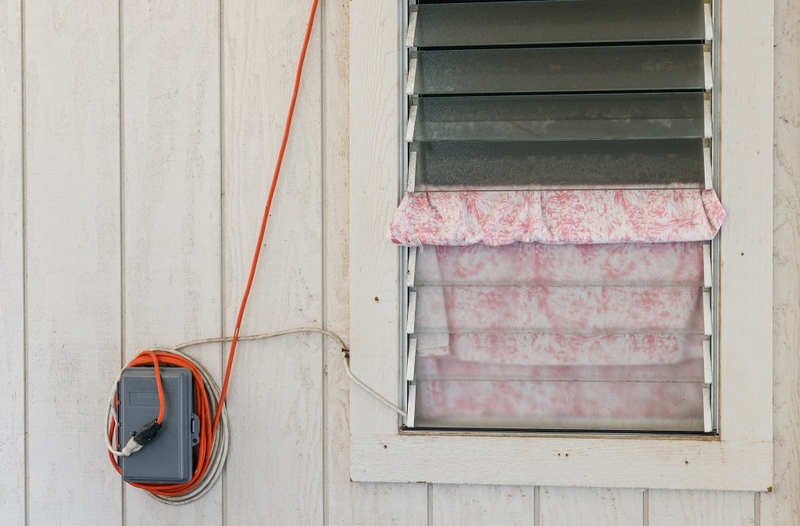
Orange power extension cords snaked through some jalousie windows or were coiled around connection boxes.
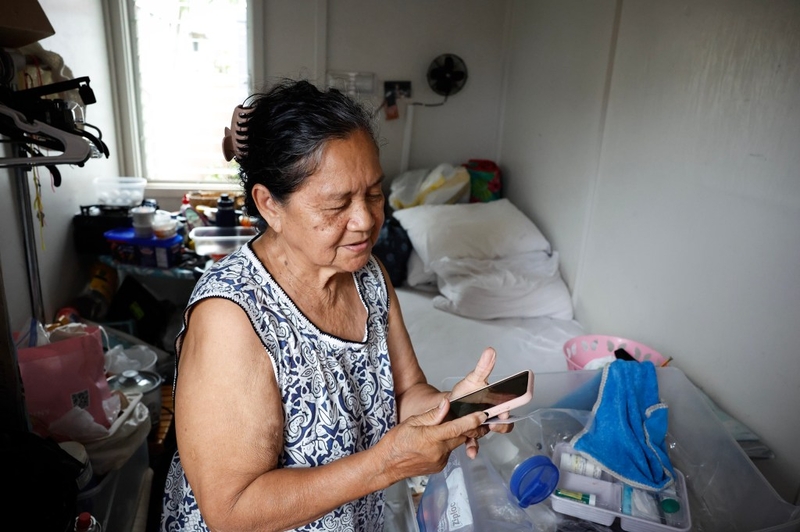
“I don’t know why the Lord sent me here,” Evelyn Ordoñez Aguinaldo, 82, said from the doorway of unit No. 6.
Aguinaldo said she has been in the unit since it was first installed in August 2024 and has lived on the site for a total of four years. She pointed to the plastic garden shed that had served as her room before.
The Cedar Church location has been a blessing for the retired teacher who moved to Oʻahu from the Philippines in 2017 and became a U.S. Citizen last year. She pays $600 per month for her room, which is crammed with the possessions she is organizing for a move to other accommodation across the road.
The rent includes electricity and water, Aguinaldo said, and there are no restrictions on use. But there are no caregivers on site, she said, and many of the residents struggle with mobility and mental health issues. If people need help, she said county emergency services are the first people called
Aguinaldo is grateful for the chance to work with local kids at the Cedar Church Sunday school. Her goal is to recover some of her health so she can live to age 94 like her parents, who are both buried on Oʻahu.
“We are all self-sufficient soldiers,” she said.
How The State Soured On Its 'Crown Jewel'
The housing project at Cedar Church was supposed to be a prime example of the governor’s kauhale program. Individual units would be located on church grounds and residents would have access to shared bathroom and laundry facilities, and the church’s large communal kitchen.
An executive order Green issued in January 2023 was meant to fast-track the development of a dozen similar community-based villages to house homeless individuals and families whose income was less than 30% of the Area Median Income.
In July 2023, Green issued another emergency proclamation for housing that would suspend a half dozen county and state laws he said were impeding the construction of desperately-needed new housing.
But the program had a rocky start. The governor’s housing chief, Nani Medeiros, quit within months after bearing the brunt of personal and legal backlash against the emergency proclamation. That’s when Mizuno took over.
The Cedar Church project originated through a relationship Mizuno built with the church pastor during his 17-year tenure at the state House representing the district that includes Kalihi Valley, where the church is located. Mizuno said the project was meant to be the “jewel in the crown” of the kauhale initiative.
Mizuno leveraged his relationship with the church to move the project relatively quickly, which he said was in keeping with the church’s existing mission. The Korean pentecostal church was already housing homeless people in plastic garden sheds on four acres of Waiʻanae farmland and on church grounds.
The tiny homes were a major improvement from the sheds, but there are conflicting narratives about how the installation of the kauhale units was priced out.
According to Mizuno’s former deputy director Eric Ford, HomeAid quoted $2.5 million for the project to install 20 units it had already built, but Mizuno’s team believed they could do it for less. HomeAid CEO Kimo Carvalho said his records don’t reflect the $2.5 million estimate. He shared a copy of an installation estimate of $303,000 to install the units for the state homelessness office.
Regardless of whose recollection is right, Ford and Mizuno decided to go another way, and they found an ally in Tillotson.
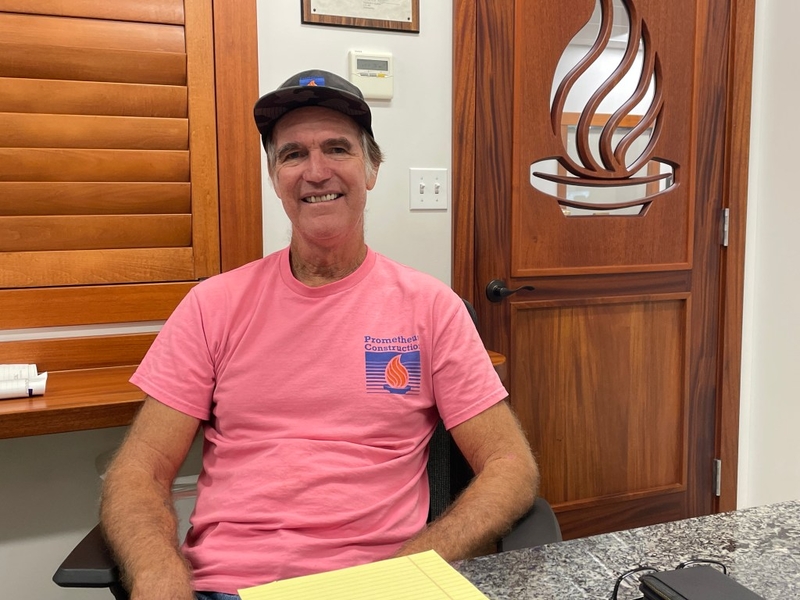
Tillotson said his Kapolei company would install the units for free. They had done this kind of work before, donating to Hui Mahiʻai ʻĀina, a community housing program in Waimānalo founded by community organizer Blanche McMillan.
That is where the project ended up running into issues, the state audit claims. The 20 state-owned units were placed on church property without a written contract outlining the church’s responsibilities, “including operating requirements, costs, ownership rights, and liability,” auditors found.
There was also no written contract between Mizuno’s office and Prometheus Construction, which assumed all the costs associated with installing them. But the work was outlined in general terms in a letter from Tillotson to Mizuno in April 2024, according to a copy provided by Tillotson.
Prometheus’ scope of work included new sewer lines, concrete work, purchase and installation of the laundry room and other site work. Much of this work was able to be fast-tracked under the provisions of the emergency proclamations, but the work still has to comply with code, Tillotson said.
HomeAid contractors had built the units as part of the kauhale initiative, but that was the extent of its involvement in the Cedar Church project, Carvalho said.
Ford left the homeless office in December 2024, and Mizuno left his director role in February 2025 after falling out with Green over the high operating costs of another kahaule project. Yang replaced him.
The audit found that the state had paid $429,000 for the tiny homes, $150,000 on improvements and $137,000 for a photovoltaic solar system and meter upgrades.
Residents Remain, Paying Rent
The lack of formal contracts for the Cedar Church project created liability issues and problems insuring the units, Yang said. He was also concerned about how the state could work with the church in the long term, noting the kauhale efforts could disrupt the activities of the congregation.
Mizuno said the auditor got some key aspects of the Cedar Church project wrong. Although he doesn’t dispute the lack of formal contracts, he said that doesn’t mean there isn’t a paper trail for the project.
“With all due respect to Les Kondo,” he said, “everything that we paid for using taxpayer money was invoiced and duly noted. There are no missing papers.”
And although he is no longer director, Mizuno said he still supports the church and its pastor who are housing kūpuna and people with disabilities, and absorbing most of the costs.
The church is collecting rent from 31 residents, including Aguinaldo, currently living on-site after the church failed to gain funding through Grant-In-Aid applications it submitted to the state Legislature and the City and County of Honolulu.
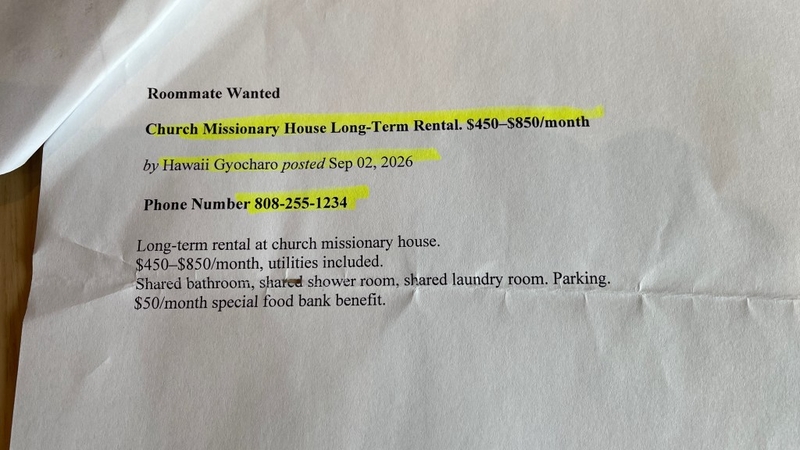
The senior pastor of Hawaiʻi Cedar Church, Duk-Kwan Kim, declined to be interviewed for this story or comment on the rents current residents are paying. Listings on a Korean language website in Honolulu show the church is offering long-term rentals for between $450 and $850 per month on church property.
A message left on the pastor’s voicemail through a Korean interpreter was not returned.
The church’s attorney, Ernie Martin, said by email that residents, including seniors and people with disabilities, are paying rent based on their income levels to cover some operational costs.
It is unclear what funding formula is used to determine how much they pay, but Martin said that because of the church’s charitable mission, no resident would be displaced if they were unable to pay.
After Yang sent a letter demanding $400,000 for the tiny homes, the church and homeless office negotiated and decided on the $1 sale to Cedar Church’s registered charity, HI Good Samaritan Foundation. The negligible cost was meant to commemorate the major work that had been carried out at the church and commitments made under Mizuno’s watch.
Mizuno said the church needs to be open to scrutiny about its work with the residents if it wants to attract support.
“I would just share with Pastor Kim and the Good Samaritan Foundation, to just be transparent,” he said. “Open your books and be transparent.”
Yang said the state office still sees faith communities across the islands as important partners for addressing homelessness, but “there are better ways to do it.”
“We just want to make sure that everybody comes in with eyes wide open and a full understanding of how things will operate,” he said.
Company Donated Services
Sitting in the conference room of his Kapolei company, Tillotson shared a spreadsheet of itemized costs totaling around $397,000 for payments to contractors and materials for the installation of the kauhale units. The total cost ended up being over $600,000 for the project including labor, materials and use of equipment, he said.
“I thought Cedar Church was a good model,” Tillotson said last week, “and that I could bring my skill set to create housing for the homeless in the Kalihi area at a much more affordable rate than what the state was doing at that time.”
Prometheus did receive two payments for some of the work, according to both Mizuno and the audit. The audit doesn't specify how much.
In the end, the installation of the Cedar Church kauhale was done in 42 days including upgrades to six rooms in the existing church –– a total of 26 rooms. Tillotson pushed back on safety and other concerns raised by Yang, saying that electrical work had been done by a licensed contractor, Watanabe Electrical.
Carvalho, however, provided a copy of a letter that Hawaiian Electric sent to Mizuno in September 2024 in which the company also questioned the wiring schematics being submitted for electrical installations.
In addition, the utility raised issues with some of the metering equipment. The contractor was not submitting proper drawings, HECO customer ombudsman Joanna Markle said, and the company “is not able to evaluate the installation and ensure that the service will be safe and reliable.”
Via text, Tillotson said he was aware that Kim had later allowed residents to run extension cords to their units so they could operate appliances.
The director of Honolulu’s Department of Community Services, Anton Krucky, recently attended Sunday service at the church. He said the county had been working with the church on obtaining some congressional funding for Cedar Farm, the church's project in Waiʻanae.
He said that the “leadership of Pastor Kim and his team is making a difference, and I clearly recognize that.”
Krucky didn’t inspect any of the units at Cedar Church when he was there, but said that residents who attended service didn’t raise any issues with him. He said the church should consider applying for assistance from the county’s next Grant-In-Aid funding round, which closes Nov. 30.
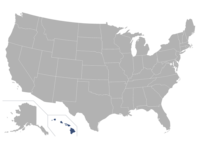
Honolulu, HI