Task force starts work to tackle illegal dumping in Louisiana
Aug 24, 2026 | 5:00 am ET
Description
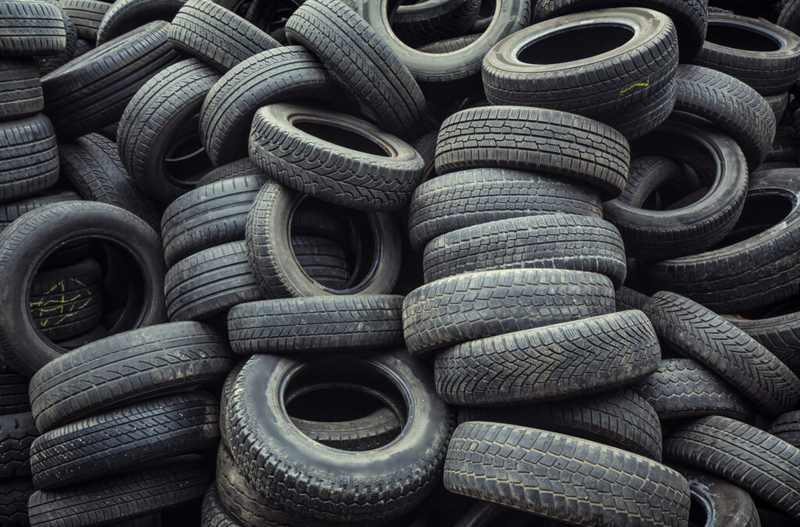
A task force the Louisiana Legislature created is evaluating how the state handles illegal dumping as well as the laws created to punish violators. Old tires are chief among the items found in cities and rural areas around the state. (Getty Images stock photo)
Lax enforcement and gaps in state law are among the reasons Louisiana has not been able to curtail illegal dumping throughout the state, especially as it involves furtive waste tire disposal.
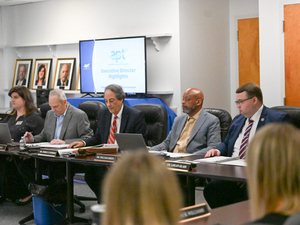
A group the legislature created will make recommendations to lawmakers ahead of next year’s session to bolster enforcement and raise public awareness about the problem. State Rep. Alonzo Knox, D-New Orleans, is one of its members and authored the resolution that created the Task Force on Illegal Dumping Prevention and Enforcement.
“This is not an isolated problem,” Knox said Friday during its first meeting at the Capitol. “This is really beyond a nuisance … This is a public health issue and a public safety issue.”
Sage Michael Pellet, an organizer with Healthy Gulf, is also part of the task force. He has been active in New Orleans’ efforts to combat illegal tire dumping in the city. He noted the state’s relatively low fines do not discourage scofflaw businesses, namely used tire shops, from hauling their refuse to remote areas. Some out-of-state shops will pay haulers to bring their tires to eastern New Orleans because they know penalties and enforcement in Louisiana are minimal, he said.
“They can afford to pay the fine and do the crime,” Pellet said.
Louisiana law includes provisions specific to illegal tire dumping, including fines up to $32,500 a day. But local law enforcement most often handles offenses as gross littering, a misdemeanor with fines that start at $900 for a first offense.
A handful of states treat illegal dumping as a felony offense. Texas, for example, punishes the illegal commercial disposal of more than 1,000 pounds or 200 cubic feet of waste with jail time ranging from 180 days to two years in jail and fines that can reach $10,000.
In addition to Louisiana’s less stringent laws, task force members were told prosecution of littering laws is uneven in a presentation from Kevin Scott, director of LDEQ’s criminal investigation division. Some jurisdictions, such as New Orleans, pursue illegal dumping more vigorously, while other district attorneys rarely pursue cases law enforcement brings to them, he said.
Scott cited a case in Caddo Parish where his agency filed an arrest warrant for illegal tire dumping, but the statute of limitations lapsed before the case could be tried.
Task force member Susan Russell, executive director of Keep Louisiana Beautiful, suggested the task force identify more deterrents to illegal dumping that tie the acts to businesses involved. The loss of an operating license or permit might discourage the behavior, she said.
“Right now there is no such thing, and we need to hit them in the pocketbook,” Russell said.
Scott shared data on illegal waste complaints to LDEQ showing a marked increase over the past five years. The department received 91 leads for criminal investigations in fiscal year 2021-22, compared with 458 last year. So far in 2026-27, complaints are on pace to exceed that number, Scott said.
Knox suggested the data be used to create an online portal where officials and the public could track where illegal dumping has been reported and the steps taken to address it. State officials acknowledged their existing technology didn’t allow for that option, and any upgrades were likely to come at a cost.
Scott also pointed out the imbalance between what it costs the state to clean up illegal dumping and the penalties for violations that are most frequently enforced. According to Keep Louisiana Beautiful, it costs between $230 and $600 per ton to clean an authorized dump site with much higher amounts when hazardous materials have to be handled.
“If you cite someone for gross littering, which is kind of the norm around the state, for someone who dumped hundreds of tires, you cut them a break because the [maximum fine] is $900, but the cost of doing proper business would exceed that,” Scott said.
Russell stressed that the task force should address funding as it considers additional measures to tackle illegal dumping.
The state collects a fee for every tire sold in the state, ranging from $2.25 for standard sizes up to $10 for industrial and farm equipment tires. The Department of Environmental Quality places the money in an escrow account it uses to pay recyclers for each tire they repurpose.
The state fee is separate from the recycling fee garages charge customers when they replace their tires. That money stays with the business, which typically uses the money to pay haulers to bring old tires to approved disposal sites.
In addition to tires, the task force also mentioned illegal dumping involving old appliances and mattress sets. Knox said furniture often has to be discarded after evictions and when homeless encampments are cleared in New Orleans.
Other members of the task force include representatives from the state departments of Environmental Quality, Transportation and Development, Wildlife and Fisheries, and Louisiana State Police, the Louisiana Sheriffs’ Association and New Orleans officials in charge of sanitation and pest abatement.
LDEQ Deputy Secretary Nathan McBride, who chairs the task force, said it will meet monthly through January with the goal of finalizing its recommendations to lawmakers by February. He intends to schedule meetings in different locations around the state, starting with New Orleans.
Baton Rouge, LA