State records 31 heat deaths in the month, pushing total to second-highest in 15 years
Aug 01, 2026 | 6:39 am ET
Description
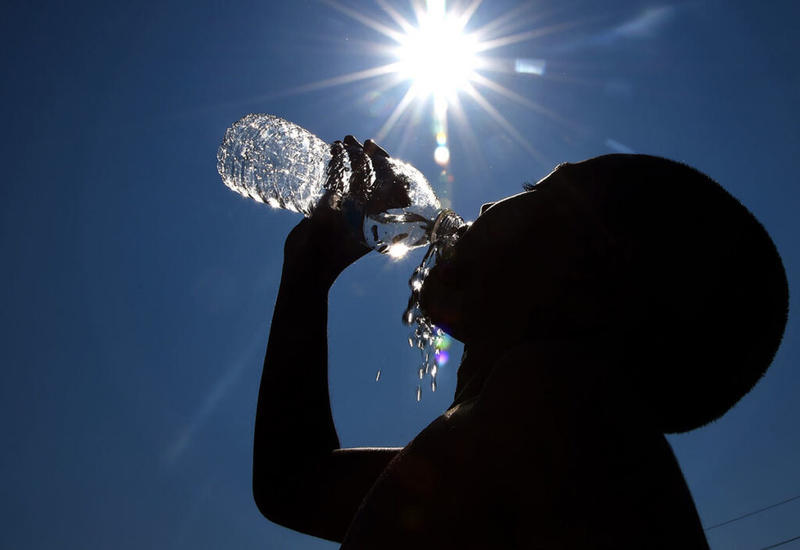
Maryland has recorded 38 heat-related deaths so far this year, the second-highest total in the last 15 years, with two months left in the heat season, health officials said. (Photo by Staff Sgt. Sheila deVera/U.S. Air Force)
Maryland has recorded 38 heat-related deaths so far this year, the second-highest total in the last 15 years, with two months left in the heat season, according to the latest data from the Maryland Department of Health.
The state’s weather-related illness dashboard reported 31 deaths in July, which started off with a major heatwave and several 100-degree days. Those deaths pushed this year’s total past the 36 recorded in all of last year, and were second only to the 46 heat-related deaths recorded in 2012.
Dr. Omoyemi Adebayo, an emergency medicine physician and chairman of emergency medicine at University of Maryland Baltimore-Washington Medical Center, said it is crucial to focus on ways to prevent heat stroke “well before you even step outside.”
“You have to make sure that you are hydrating your body appropriately if you’re planning to be outside for extended periods of time,” Adebayo said. “Make sure you have the appropriate clothing and have a plan for keeping yourself hydrated and being able to take breaks as much as needed.”
The health department updates its weather-related illness dashboard every Wednesday, with this week’s data including totals through July 25. Because the dashboard reports death counts only when they are confirmed by the Office of the Chief Medical Examiner, some cases may still be pending.
The dashboard also showed that this summer, there have been 1,627 total visits to emergency rooms or urgent care facilities for heat-related illness and another 1,242 calls to emergency medical services for heat issues.
Adebayo said older adults and children are often more susceptible to heat-related illness compared to healthy middle-aged adults. Of heat-related deaths reported this season, 61% occurred in people 65 and older, while 32% were people between 45 and 64 and 8% were among people 18 to 44.
According to Adebayo, both older and younger populations are more sensitive to high temperatures. However, as many elderly people live alone, they may not have someone to check in on them and be able to help them if they are having a health crisis.
Shawn Dennison, the program manager at the Office of Public Health Preparedness from the Frederick County Health Department, said the county’s two heat-related deaths earlier this month prompted the department to look into ways to better support older adults in the community.
The department works with other county agencies to connect isolated older adults with support services to prevent similar occurrences, he said.
Adebayo said symptoms of heat-related illness can fall into two categories: heat exhaustion and heat stroke. Symptoms of heat exhaustion can include heavy sweating, nausea, dizziness, headache and muscle cramps, according to Adebayo. When people begin experiencing more “red flag” symptoms, like fainting, shortness of breath or confusion, it is time to consider seeking medical care, he said.
“It’s important for people to know that heat exhaustion is really your body’s kind of early warning sign before you progress to heat stroke, which is really when things can get dangerous very quickly,” Adebayo said.
He said it is crucial to call emergency services if a person is showing signs of changes to their mental status, such as confusion, aren’t acting like themselves or are having trouble speaking.
If someone arrives in the emergency room with symptoms of heatstroke, medical staff’s priority is getting a patient’s body temperature down, Adebayo said. This can be done in several different ways, including using ice packs, fans, misting fans, cooling blankets and, in extreme situations, submerging patients in ice.
Delaying treatment for heat stroke can lead to seizures, cause permanent brain damage, and in extreme cases, can cause death, according to Adebayo.
“Many people look forward to the summertime as a time to gather with family and friends, get some extra vitamin D from the sun and I don’t want to scare people away from enjoying the outdoors,” he said. “Maryland has a lot to offer, and people should be able to do that, as long as they do it smartly.”
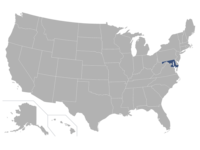
Annapolis, MD